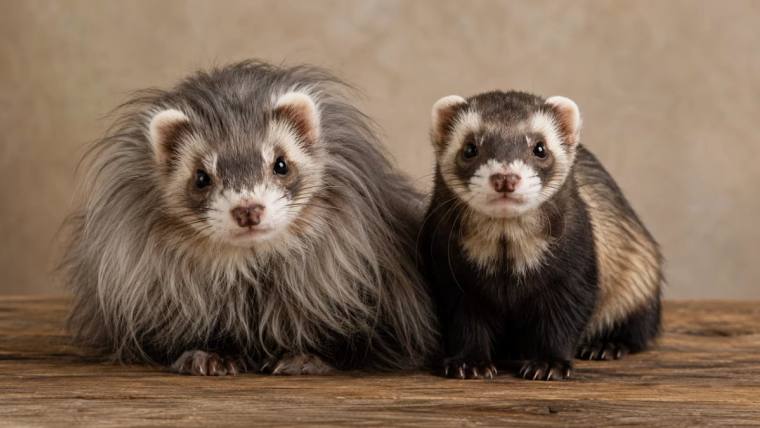
Angora ferrets are one of the most eye-catching small pets you can own. Their long, silky coats and playful personalities make them hard to resist, especially for anyone looking for a pet with real character. But behind that fluffy exterior is an animal with specific care needs that differ from your average ferret.
Many first-time owners assume that angora ferrets are just regular ferrets with prettier fur. That assumption leads to problems. The long coat changes everything from grooming schedules to odor management to heat sensitivity. Getting that wrong early on causes unnecessary suffering for the ferret and frustration for the owner.
The good news is that angora ferrets thrive when cared for properly. Once you understand what they actually need, the routine becomes manageable and the bond you build with them is genuinely rewarding.
What Is an Angora Ferret?
An angora ferret is a long-haired variation of the domestic ferret, known scientifically as Mustela putorius furo. They were selectively bred for an extended coat, which gives them a distinctly fluffy appearance compared to the standard short-haired ferret most people are familiar with.
Their fur is noticeably longer and softer around the tail, chest, neck, legs, and belly. Some angora ferrets develop feathering around the face and flanks that gives them an almost lion-like silhouette. Despite the visual difference, they share the same bold, curious, mischievous personality that all domestic ferrets are known for.
Are Angora Ferrets a Separate Breed?
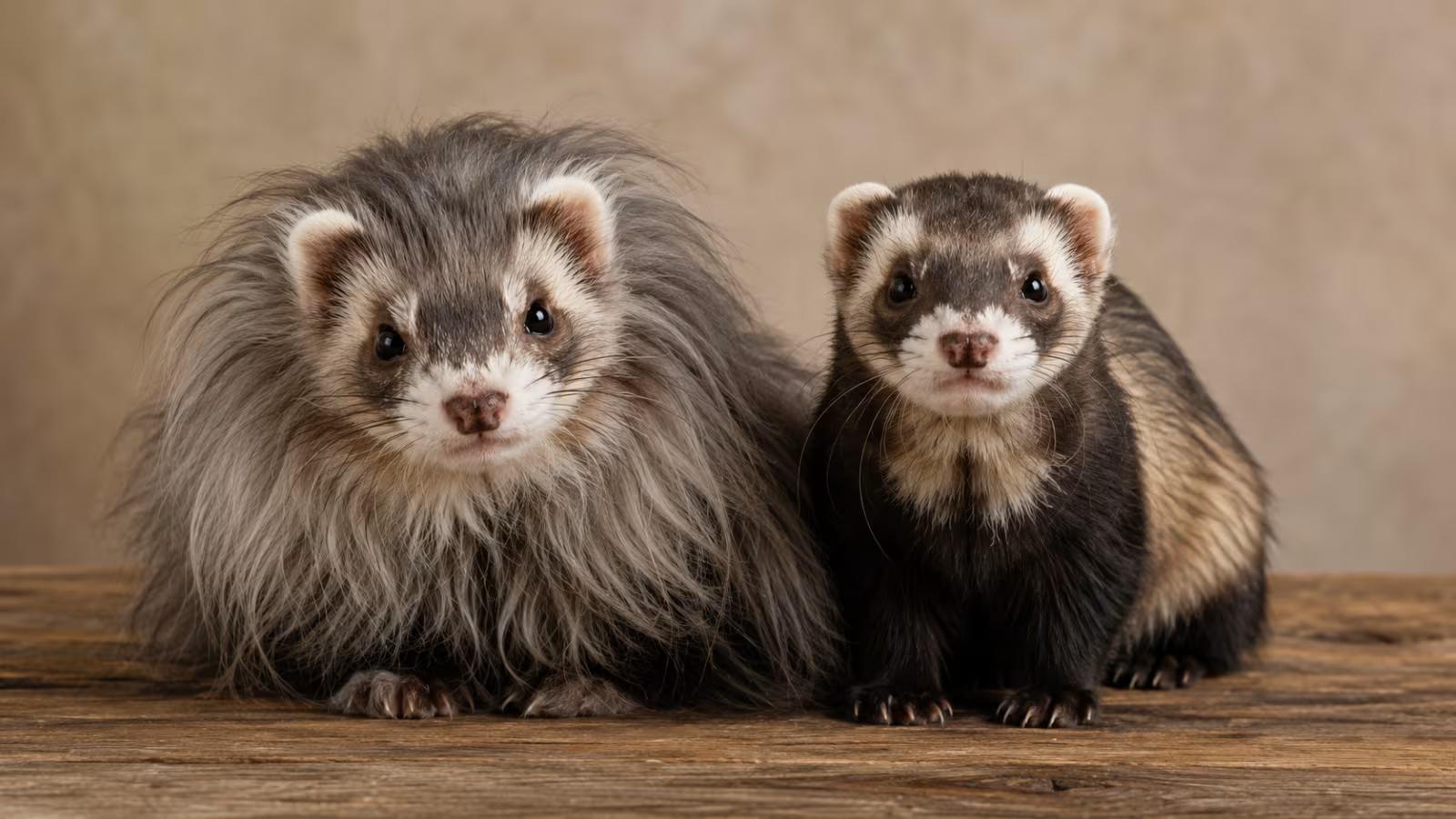
Not exactly. Most ferret specialists classify angora as a coat variation rather than a completely separate breed. The long fur comes from selective breeding for specific coat genetics, and breeders sometimes distinguish between full angora and partial angora lines based on coat density and length.
Full angora ferrets tend to have the thickest, most dramatically long coats. Partial angoras may appear only slightly longer than a standard ferret in some cases. Knowing which type you are adopting helps you set realistic grooming expectations from day one.
Angora Ferret vs. Regular Ferret
The coat is the most obvious difference, but it is not the only one. Angora ferrets also tend to require more frequent cleaning, closer environmental management, and extra attention during shedding seasons.
Key Differences at a Glance
- Coat length: Long and fluffy vs. short and smooth
- Grooming frequency: Several times weekly vs. occasional brushing
- Matting risk: Significantly higher in angoras
- Heat sensitivity: Greater in angoras due to coat density
- Cleaning requirements: More frequent habitat cleaning needed
- Shedding intensity: Heavier seasonal shedding in angoras
Both types are equally social, intelligent, and energetic. The personality differences between individual ferrets matter far more than the coat type. An angora ferret raised with plenty of handling and enrichment will be just as friendly and interactive as any well-socialized standard ferret.
Angora Ferret Appearance and Physical Traits
Angora ferrets come in a wide variety of coat colors and markings. You will find sable, chocolate, cinnamon, albino, silver, panda patterns, and blaze markings among common options. The long fur often makes colors appear softer or more blended than they would on a short-haired ferret.
Body size is similar to standard ferrets. Females typically weigh between 1.5 and 2.5 pounds. Males tend to be larger, ranging from 2 to 4 pounds. Healthy angora ferrets carry good muscle tone beneath the fur, which is easy to overlook if the coat is thick.
Regular hands-on assessments of body condition matter more with angora ferrets. The coat can mask weight loss or skin problems that would be immediately obvious on a short-haired ferret. Getting into the habit of parting the fur and checking the skin weekly helps catch issues early.
Angora Ferret Personality and Temperament
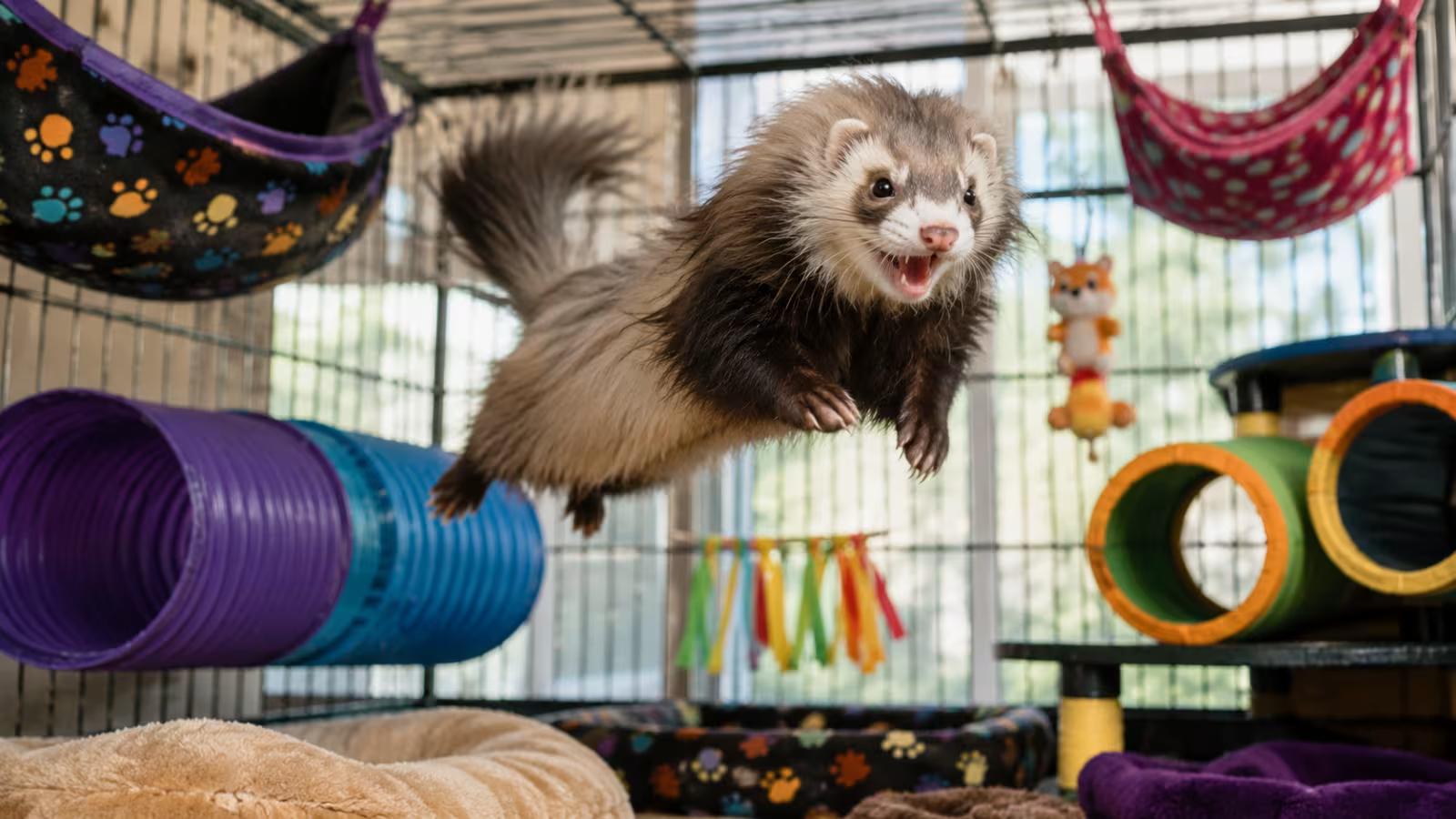
Angora ferrets are playful, fearless, intelligent, and endlessly entertaining. Many owners describe them as tiny troublemakers who approach every day with maximum curiosity and zero caution. They dig, tunnel, climb, steal small objects, and investigate anything new in their environment.
They also form strong bonds with their owners. Some angora ferrets are natural cuddlers who fall asleep on your lap without invitation. Others would rather chase a crinkle ball across the room than sit still for a moment. Individual personality varies enormously from ferret to ferret.
Normal vs. Abnormal Behavior
Understanding what is normal for a ferret helps you catch health problems early. Normal ferret behavior includes sleeping 14 to 18 hours per day, bursts of intense energetic play, curious sniffing and exploration, the classic war dance hopping behavior, and gentle nipping during play.
Abnormal behavior worth monitoring includes sudden refusal to eat, persistent lethargy outside normal sleep cycles, heavy labored breathing, unexplained aggression, constant scratching, weakness in the hindquarters, and difficulty walking or maintaining balance. Behavioral changes often appear before obvious physical symptoms, which makes daily observation a genuinely useful health tool.
Are Angora Ferrets Good for Beginners?
They can be, but only for beginners who go in with realistic expectations. Angora ferrets are not caged novelty pets. They need daily interaction, consistent grooming, a clean habitat, a specialized diet, and access to an exotic pet veterinarian who has experience with ferrets.
Many beginners underestimate how interactive ferrets actually are. These are not animals you can set up in a cage and check on occasionally. They need several hours of supervised out-of-cage time daily. They need mental stimulation. They need social connection, either with their owner or with compatible ferret companions.
Beginners who enjoy hands-on, interactive pets usually find ferrets to be some of the most rewarding animals they have ever owned. The maintenance is real, but so is the return.
Angora Ferret Grooming Guide
Grooming is the part of angora ferret care that catches most new owners off guard. The long coat looks beautiful but requires consistent maintenance to stay that way. Without regular brushing, the fur mats, traps oils and debris close to the skin, and creates conditions that lead to irritation or infection.
Brushing Routine
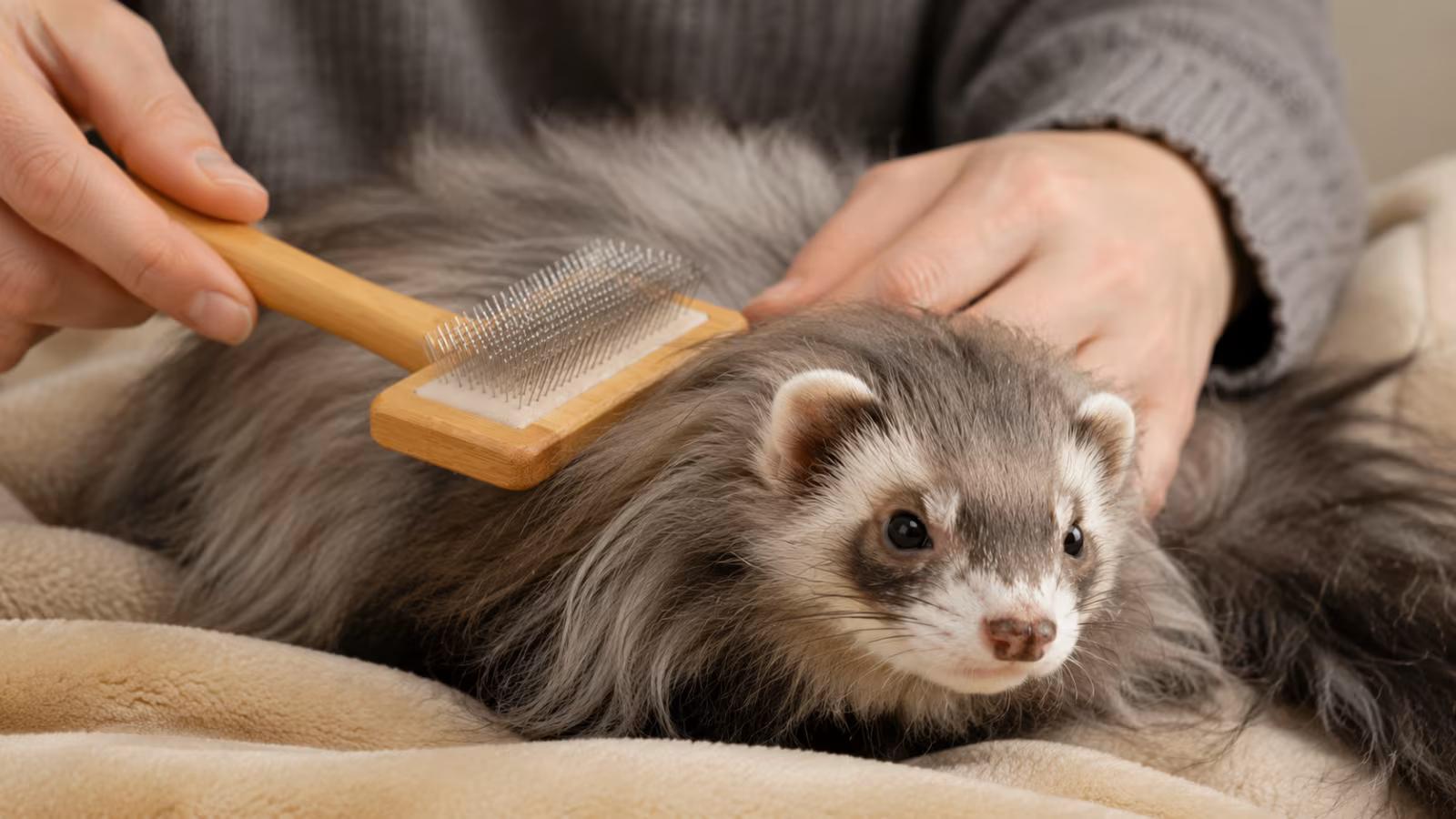
Most angora ferrets need brushing two to four times per week under normal conditions. During heavy shedding seasons in spring and fall, daily brushing becomes necessary to keep loose fur from accumulating into dense mats.
Use a soft slicker brush or a wide-tooth comb. Work slowly and gently, especially around high-friction areas like the armpits, belly, tail base, hindquarters, and neck. These spots develop mats faster than anywhere else on the body. Checking them every few days prevents small tangles from becoming serious problems.
How to Handle Mats
Mats form when loose fur tangles and traps oils or moisture near the skin. Prevention through consistent brushing is always easier than dealing with established mats. For small tangles, carefully work through them with your fingers or a comb before they tighten further.
Important: Never yank through a serious mat aggressively. Severe matting that has tightened close to the skin may require careful trimming or help from a groomer who has experience with small animals.
Bathing: Less Is More
One of the most common mistakes with angora ferrets is bathing too frequently. Ferrets produce natural skin oils that protect the coat and regulate skin health. Frequent bathing strips those oils away, leaving the skin dry and often increasing odor rather than reducing it.
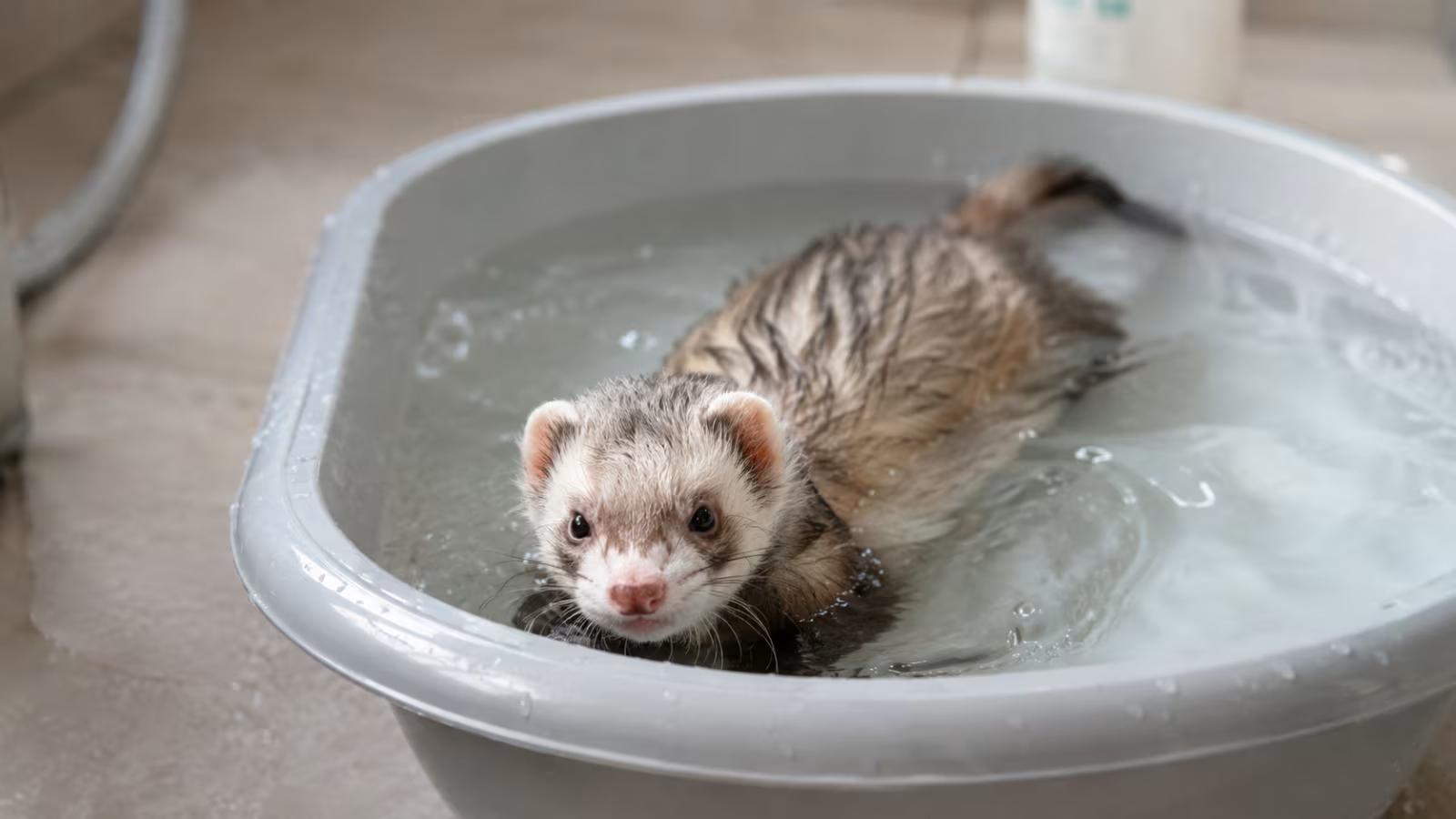
Most angora ferrets only need bathing every few months, or when something specific has soiled the coat. Use ferret-safe shampoo, lukewarm water, and dry the ferret thoroughly afterward to prevent chilling. Human shampoos, even gentle ones, are too harsh for ferret skin and should be avoided.
Nails and Ears
Nail trimming should happen every two to four weeks. Long nails snag on fabric hammocks and fleece liners, which can injure the toes and cause significant distress. Weekly ear inspections catch wax buildup or early signs of ear mite infection before they progress. If the ears look unusually dark or have a gritty texture, a veterinary check is worthwhile.
Do Angora Ferrets Smell More?
The reputation ferrets have for extreme odor is largely exaggerated. Most ferret smell problems come from dirty litter, unwashed bedding, poor diet, or infrequent habitat cleaning rather than the animal itself. A healthy, well-maintained ferret in a clean environment has a mild musky scent that most ferret owners find completely manageable.
Because angora ferrets have longer fur, odors do cling more easily if hygiene is neglected. The coat acts almost like a sponge for environmental smells. Regular bedding washing, daily litter spot-cleaning, and good ventilation address the problem more effectively than increased bathing ever will.
A healthy ferret eating a high-quality diet and living in a clean habitat should not produce overwhelming odor. If the smell suddenly worsens without any change in cleaning habits, that shift is worth investigating with a veterinarian. Hormonal changes or illness can affect scent production.
Angora Ferret Diet and Nutrition
Ferrets are obligate carnivores. Their digestive systems evolved to process animal protein and fat efficiently, and they have almost no ability to handle significant carbohydrate loads or plant-heavy foods. Getting the diet right is one of the most important things you can do for your ferret's long-term health.
What to Feed

A healthy angora ferret diet should provide at minimum 35 to 40 percent high-quality animal protein, moderate fat levels, very low carbohydrates, and taurine-rich ingredients. Look for ferret-specific foods or high-quality kitten foods where an animal protein source is listed as the first ingredient.
Good Dietary Choices Include
- Premium ferret kibble with high animal protein content
- High-quality kitten food recommended by your exotic vet
- Freeze-dried raw diets formulated for ferrets
- Balanced whole-prey or raw feeding plans
Foods to Avoid
Chocolate, grapes, raisins, onions, garlic, sugary treats, dairy products, bread, and processed human snacks should never be fed to ferrets. Fruits and vegetables, while sometimes recommended online, are not a natural or appropriate part of a ferret's diet. Ferrets cannot digest plant material efficiently, and a diet high in carbohydrates or fiber contributes to insulin-related disease over time.
Hair Ingestion and Digestive Risk
Long-haired ferrets swallow more fur during self-grooming, especially during heavy shedding seasons. This increases the risk of hairball accumulation and potentially dangerous digestive blockages. Regular brushing significantly reduces the amount of loose fur your ferret ingests. Some owners and vets also recommend ferret-safe hairball remedies during peak shedding periods, which is worth discussing with your vet.
Ideal Angora Ferret Habitat Setup

Small cramped enclosures are one of the fastest ways to produce a stressed, unhealthy ferret. Angora ferrets need multi-level cages with hammocks, tunnels, climbing areas, litter zones, and enough space to move between them without everything feeling crowded.
The cage is only part of the equation. Ferrets also need several hours of supervised free-roaming time outside the cage each day. That time should happen in a ferret-proofed area where they can explore, play, and interact with their environment safely.
Best Bedding for Long-Haired Ferrets
Fleece liners and soft washable fabrics are the best bedding choices for angora ferrets. They are comfortable, easy to clean, and do not produce the dust that loose substrate bedding can. Avoid cedar shavings, pine shavings, and any dusty bedding materials. Respiratory irritation is a real risk for ferrets, and their enclosure ventilation and bedding choices both play a role.
Temperature Management
Angora ferrets are noticeably more sensitive to heat than short-haired ferrets. The dense coat that makes them look so striking also makes temperature regulation harder when ambient temperatures rise. The ideal room temperature range is 60 to 75 degrees Fahrenheit.
Warning: Temperatures above 80 degrees Fahrenheit can become dangerous quickly. Signs of heat stress include panting, drooling, weakness, red gums, and lethargy. If your ferret collapses or becomes unresponsive in the heat, that is a veterinary emergency.
Ferret-Proofing Your Space
Ferrets are escape artists with a particular talent for finding danger. Before allowing free-roaming time, check for open vents, electrical cords within reach, recliner mechanisms, small holes behind appliances, rubber objects, foam materials, and anything small enough to be swallowed. Ferrets are also dedicated thieves who will relocate small objects to their preferred hiding spots, so anything valuable or hazardous should be stored securely.
Common Health Problems in Angora Ferrets
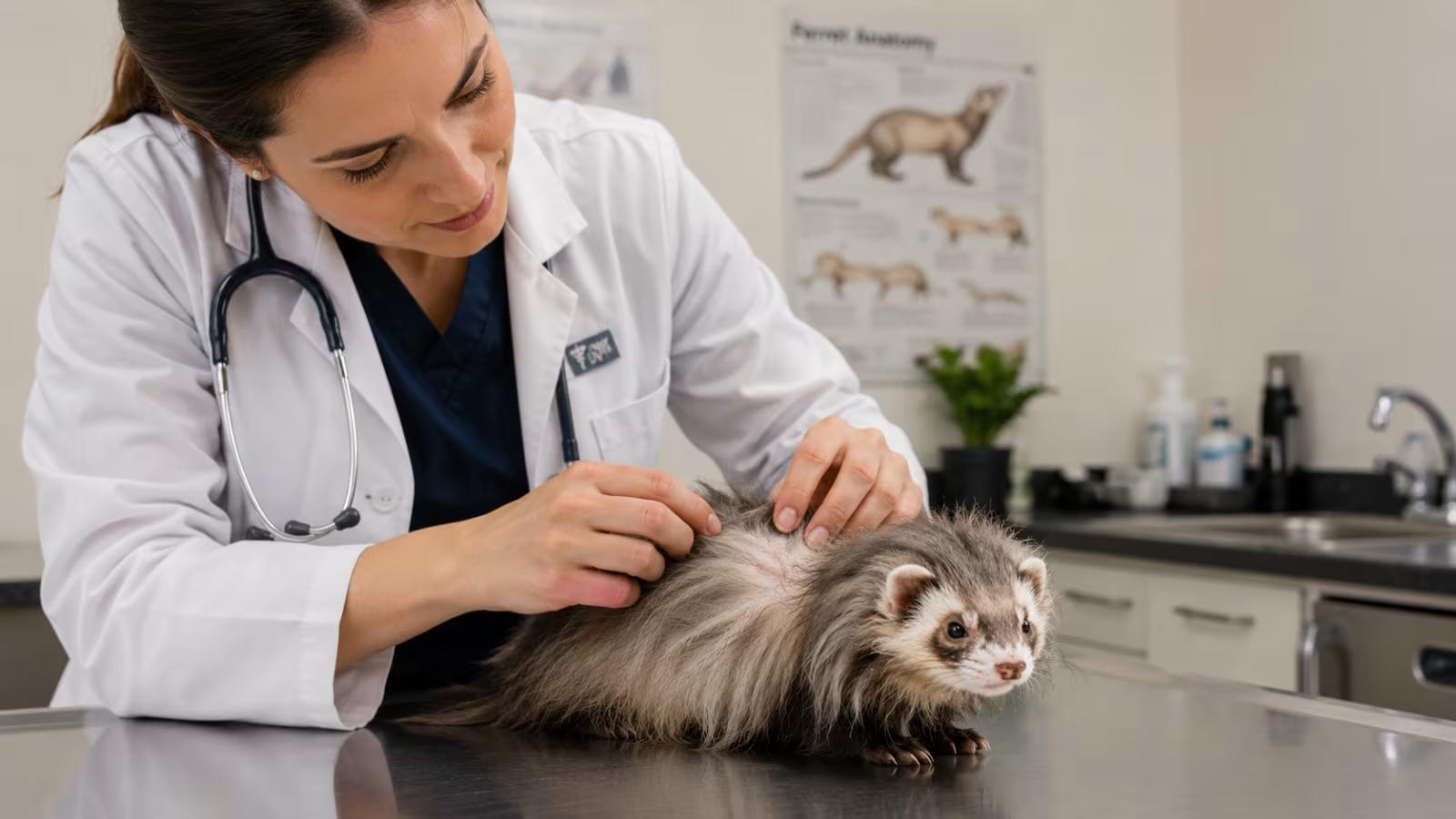
Adrenal Disease
Adrenal disease is the most commonly diagnosed serious illness in domestic ferrets, and angora ferrets are not exempt. The adrenal glands produce excess hormones that cause a range of symptoms including progressive hair loss beginning at the tail, intense itching, aggression, an enlarged vulva in spayed females, and muscle wasting in advanced cases.
Early detection significantly improves outcomes. Annual veterinary checkups that include a physical assessment of the adrenal glands are essential for ferrets over three years old, or earlier if symptoms appear.
Skin Problems Hidden by Long Coats
The angora coat creates hiding places for skin conditions that would be immediately obvious on a short-haired ferret. Fungal infections, parasite infestations, hot spots, redness, and early hair loss can all progress significantly before being noticed if the owner is not actively parting and inspecting the skin regularly.
Build skin checks into your grooming routine. Part the fur in multiple locations during each brushing session and look for any redness, flaking, unusual odor, or bald patches. Catching these problems early prevents minor issues from becoming complicated ones.
Digestive Blockages
Ferrets are notorious for swallowing inappropriate objects. Rubber, foam, fabric threads, and small toys are all potential blockage hazards. Long-haired ferrets also have elevated hairball risk during shedding. Signs of a digestive blockage include vomiting, sudden refusal to eat, pawing at the mouth, abdominal pain, lethargy, and teeth grinding.
Emergency note: Blockages are emergencies. A ferret with a complete obstruction can decline within hours. If you suspect a blockage, do not wait to see if it resolves on its own.
Dental Disease and Insulinoma
Poor diet contributes to both dental disease and insulinoma, a pancreatic cancer that is unfortunately common in domestic ferrets. Insulinoma causes dangerously low blood sugar and produces symptoms like weakness, drooling, staring blankly, pawing at the mouth, and intermittent collapse. A high-quality carnivore diet with minimal carbohydrates is the best preventive measure available.
When to See a Veterinarian Immediately
Seek emergency veterinary care if your ferret shows any of the following: difficulty breathing, collapse or unresponsiveness, severe and sudden lethargy, complete refusal to eat for more than 12 hours, persistent vomiting, bloody stool, rapid unexplained hair loss, seizures, or extreme hindquarter weakness.
Ferrets hide illness instinctively and can deteriorate rapidly once they stop compensating. If something feels wrong, acting sooner rather than later is always the right call. Finding an exotic pet veterinarian experienced with ferrets before an emergency happens is one of the smartest things you can do as a new ferret owner.
Angora Ferret Lifespan
Most angora ferrets live between 6 and 10 years with good care. Genetics play a role, but day-to-day management has the biggest impact on how long and how well they live. Ferrets from reputable breeders with low adrenal disease rates in their lines tend to have better prognoses than those from unknown backgrounds.
Nutrition, habitat quality, stress levels, environmental safety, and access to regular veterinary care all contribute to longevity. Preventive care is genuinely worth the investment. Annual checkups catch developing health problems at stages where treatment is more effective and less costly.
Cost of Owning an Angora Ferret
Angora ferrets cost more to own than the purchase price suggests. Initial costs typically include a large multi-level cage, bedding, grooming tools, litter supplies, enrichment toys, and an initial veterinary examination. That first vet visit is important for establishing a baseline health record and discussing appropriate preventive care.
Ongoing monthly costs include high-quality food, litter, replacement bedding, cleaning supplies, and routine veterinary care. Emergency exotic vet visits can run several hundred dollars or more depending on what is needed. Building a small emergency fund specifically for veterinary costs before you bring a ferret home is a practical step that many beginners skip and later regret.
How to Choose a Healthy Angora Ferret
A healthy angora ferret should be alert, curious, and responsive when you approach. The coat should be full and soft rather than sparse, greasy, or matted. Eyes should be bright and clear. Ears should be clean without dark waxy buildup. Movement should be smooth and coordinated.
Avoid any ferret showing obvious hair loss, crusty skin, nasal discharge, lethargy, or severe scratching. Ask breeders directly about adrenal disease history in their breeding lines, vaccination records, current diet, socialization history, and any health issues the litter has had. Responsible breeders answer these questions without hesitation. Reluctance to share health history is a significant warning sign.
Beginner Mistakes to Avoid
- Overbathing: Bathing too frequently strips natural skin oils and often makes odor worse rather than better.
- Feeding a poor-quality diet: Cheap ferret foods high in carbohydrates or plant-based protein can contribute to long-term health problems.
- Using a cage that is too small: A cramped cage creates stress, obesity, and behavioral problems.
- Ignoring grooming: With an angora ferret, missed grooming quickly leads to matting and hidden skin conditions.
- Underestimating heat risk: Dense-coated ferrets can overheat quickly in warm climates or warm seasons.
- Delaying veterinary care: Ferrets hide illness well, so small changes should be taken seriously.
Myth-Busting: Common Angora Ferret Misconceptions
Ferrets Are Dirty Animals
Healthy ferrets groom themselves frequently and are naturally clean when given an appropriate environment and proper care.
Long-Haired Ferrets Need Daily Baths
The opposite is true. Frequent bathing damages the coat and skin. Most ferrets only need bathing every few months.
Ferrets Can Eat Fruits and Vegetables Safely
Ferrets are obligate carnivores. Fruits and vegetables can contribute to blood sugar problems and digestive issues over time.
Angora Ferrets Are More Aggressive Than Regular Ferrets
Coat type has no relationship to temperament. A well-socialized angora ferret is just as friendly and gentle as any other ferret.
Daily, Weekly, and Monthly Care Routine
Daily Tasks
- Refresh food and water
- Spot-clean litter boxes
- Check for signs of illness
- Provide interactive play and exercise outside the cage
Weekly Tasks
- Wash hammocks and fleece bedding
- Brush the full coat
- Clean the habitat thoroughly
- Inspect ears and skin
- Assess body condition by running hands along the body beneath the fur
Monthly Tasks
- Deep-clean the entire habitat including corners and accessories
- Check and replace worn or damaged items
- Review grooming supply stock
- Monitor weight and overall body condition
Consistency with this routine prevents the majority of common health and hygiene problems. Ferret care problems are far more likely to happen when routines slip than when an individual mistake occurs.
Signs Your Angora Ferret Is Healthy
A healthy angora ferret is bright, curious, and moves with energy and coordination during active periods. The coat feels soft and clean rather than greasy, matted, or sparse. Appetite is consistent, eyes are clear, ears are clean, and the body feels firm and well-muscled beneath the fur.
Healthy ferrets play enthusiastically during their active windows, eat with interest, and sleep deeply and peacefully during their long daily rest periods. Any departure from that pattern, especially involving appetite or energy levels, is worth noting and monitoring closely.
Conclusion
Angora ferrets are beautiful, bold, and genuinely affectionate animals that bring a lot of life into a home. But they are a commitment. The long coat needs consistent grooming. The habitat needs regular cleaning. The diet needs to be right. The veterinary care needs to be proactive rather than reactive.
For owners who do the preparation and build good daily routines, angora ferrets reward that effort in full. They bond deeply, entertain constantly, and develop distinct personalities that make them feel more like small furry companions than typical pets. Most of the serious problems that new ferret owners face are preventable when the basics are done correctly from the beginning.
If you go in knowing what angora ferret ownership actually involves, you are setting both yourself and your ferret up for years of genuinely good experiences together.