
Dwarf Bunny
You see a rabbit small enough to fit comfortably in your hands. It looks like a baby bunny, but it is fully grown. Its tiny ears, round face, and compact body make it look like a living stuffed animal. This is a dwarf bunny.
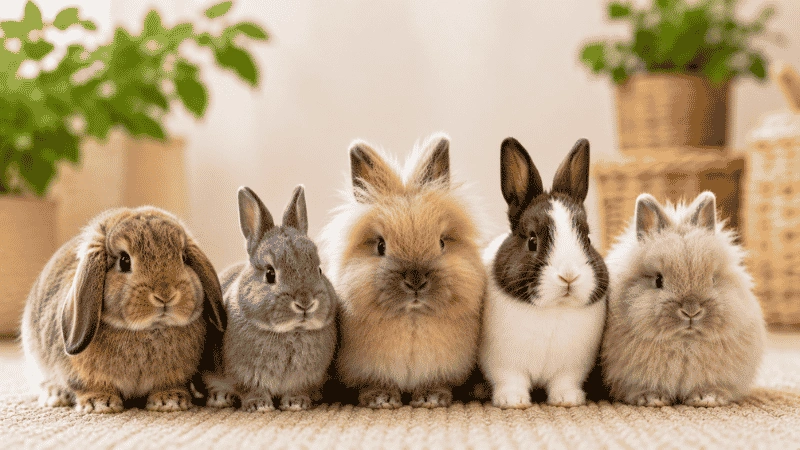
A dwarf bunny is a small domestic rabbit breed that carries the dwarf gene. According to the American Rabbit Breeders Association (ARBA), most adult dwarf rabbits weigh between 1 and 4 pounds depending on the breed. Popular dwarf bunny breeds include Netherland Dwarf, Holland Lop, Mini Rex, and Lionhead.
People love miniature rabbits because they are small enough for apartments, easier to handle than giant breeds, and look like babies forever. However, there are many misconceptions about dwarf bunnies, especially about teacup rabbits. This guide covers everything you need to know about the smallest rabbit breeds that stay tiny. For a complete overview of all rabbit breeds, see our main guide on types of rabbits.
A dwarf bunny is a small domestic rabbit breed carrying the dwarf gene. Most adult dwarf rabbits weigh between 1 and 4 pounds. Popular breeds include Netherland Dwarf, Holland Lop, Mini Rex, and Lionhead. They are not the same as “teacup rabbits,” which are not a real breed.
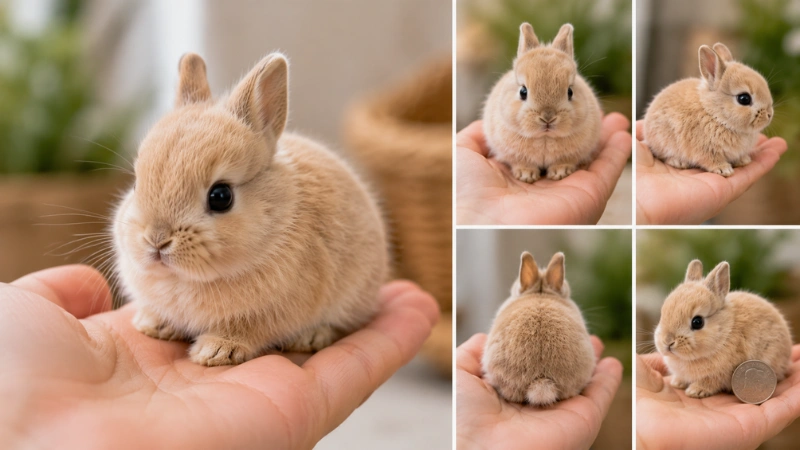
What Is a Dwarf Rabbit
A dwarf rabbit is not just a small rabbit. True dwarf rabbit breeds carry a specific dwarf gene that affects their size and body shape. This gene causes them to be significantly smaller than standard rabbits.
According to rabbit genetics research, the dwarf gene is a dominant gene. When a rabbit inherits one copy of the dwarf gene, it becomes a true dwarf with a compact body, short ears, and a round face. When a rabbit inherits two copies of the dwarf gene, it is typically not viable and dies before or shortly after birth. This is why responsible breeders never breed two true dwarfs together.
Compact rabbit breeds without the dwarf gene are simply small. For example, the Mini Rex is a compact breed, not a true dwarf. The Netherland Dwarf, however, is a true dwarf with the dwarf gene. Understanding the difference helps you choose the right rabbit for your home.
The table below provides quick facts about dwarf rabbits:
| Characteristic | True Dwarf Rabbit | Standard Rabbit | Adult weight | 1-4 lbs | 5-12+ lbs | Ear length | Short (2-4 inches) | Long (4-8 inches) | Face shape | Round, short, “muff” head | Longer, more pointed | Lifespan | 8-12 years | 8-12 years |
|---|
Dwarf rabbits carry a dwarf gene that makes them significantly smaller than standard rabbits. True dwarfs have compact bodies, short ears (2-4 inches), and round faces. Compact breeds like Mini Rex are small but not true dwarfs.
Smallest Rabbit Breeds in the World
What is the smallest rabbit breed in the world? The Netherland Dwarf holds that title. Adult Netherland Dwarfs weigh only 1.5 to 2.5 pounds. The Polish rabbit (called Britannia Petite in the UK) is similarly small, weighing 1.5 to 2.5 pounds.
The smallest bunny breeds are all dwarf breeds. They stay tiny their entire lives. A baby dwarf bunny looks very similar to an adult dwarf bunny, which is why people often mistake them for each other.
The table below compares the smallest rabbit breeds:
| Breed | Adult Weight | Temperament | Beginner Friendly | Netherland Dwarf | 1.5-2.5 lbs | Energetic, can be skittish | No | Polish (Britannia Petite) | 1.5-2.5 lbs | Active, curious | Yes | Holland Lop | 2-4 lbs | Calm, gentle, affectionate | Yes | Jersey Wooly | 2.5-3.5 lbs | Gentle, calm | Yes (with grooming commitment) | Mini Rex | 3-4.5 lbs | Docile, friendly | Yes | Lionhead | 2.5-3.75 lbs | Playful, friendly | Yes (with grooming commitment) |
|---|
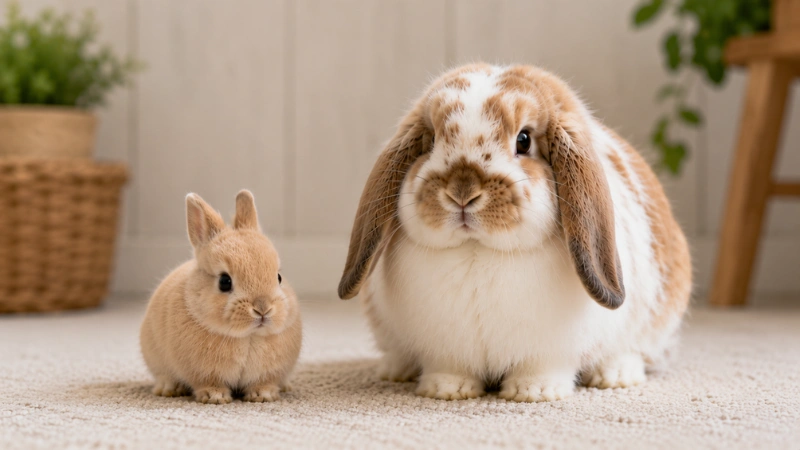
The smallest rabbit breed in the world is the Netherland Dwarf, weighing only 1.5 to 2.5 pounds. Other tiny breeds include Polish, Holland Lop (2-4 lbs), Jersey Wooly, Mini Rex, and Lionhead. These breeds stay small their entire lives.
Most Popular Dwarf Bunny Breeds
Here are detailed profiles of the most popular dwarf bunny breeds. Each breed has unique characteristics, care needs, and personalities.
1. Netherland Dwarf
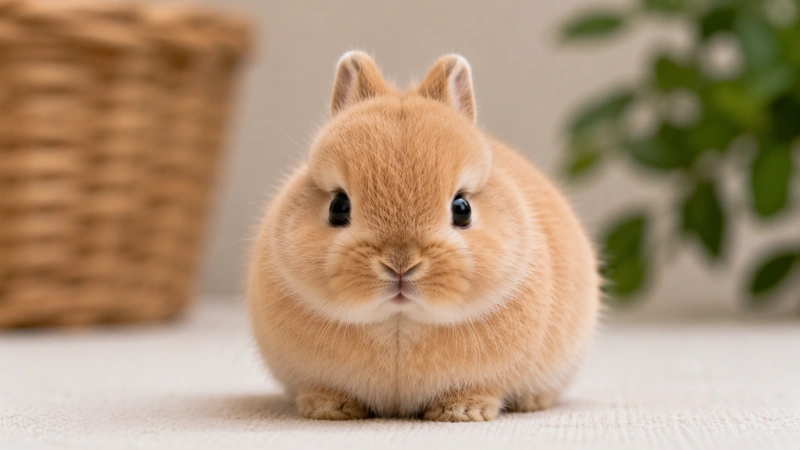
Size: 1.5-2.5 lbs. Temperament: Energetic, intelligent, can be skittish. Grooming: Low (short coat). Lifespan: 8-12 years. Good for beginners? Not recommended. Netherland Dwarfs are energetic and can be nippy if frightened. They need experienced handling.
2. Holland Lop
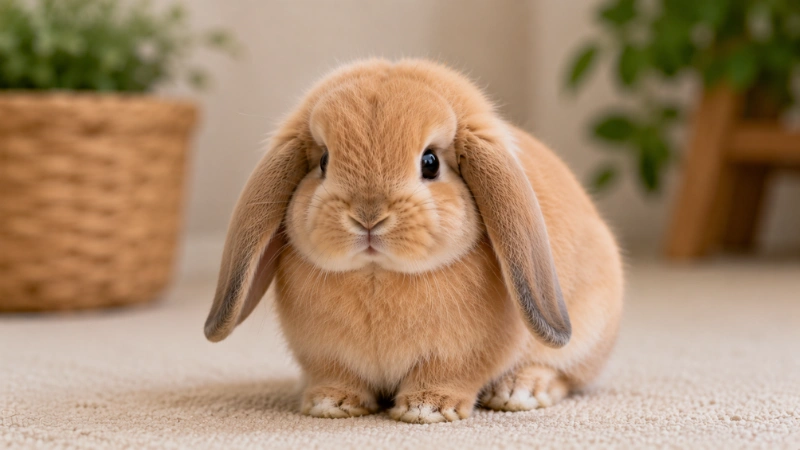
Size: 2-4 lbs. Temperament: Calm, gentle, affectionate. Grooming: Low. Lifespan: 8-12 years. Good for beginners? Yes. Holland Lops are the most popular pet rabbit breed. They are small, calm, and good with families. For more on friendly breeds, see friendliest rabbit breeds.
3. Mini Rex
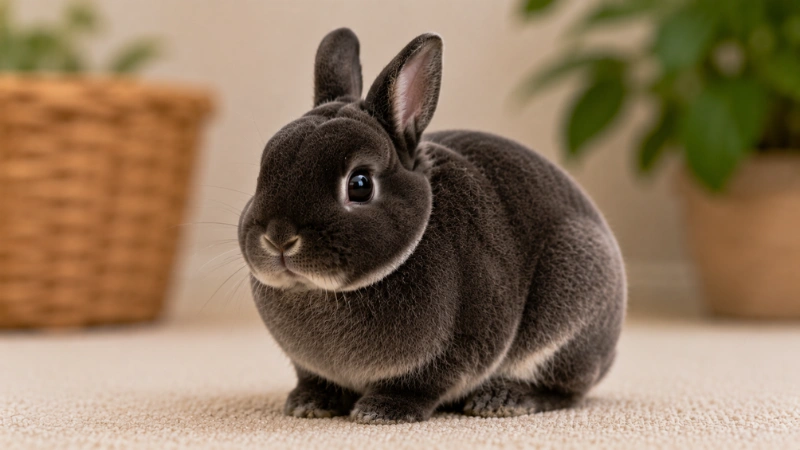
Size: 3-4.5 lbs. Temperament: Docile, friendly, calm. Grooming: Very low (velvety fur does not mat). Lifespan: 8-12 years. Good for beginners? Yes. Mini Rex rabbits are excellent for first-time owners. Their velvety fur is easy to maintain.
4. Lionhead
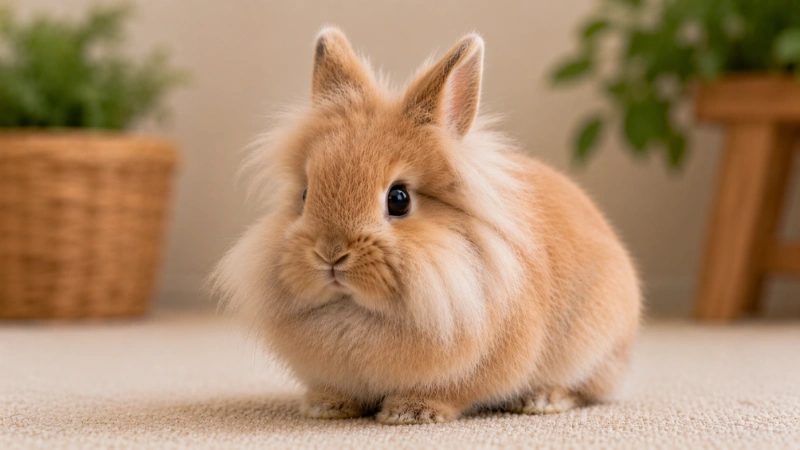
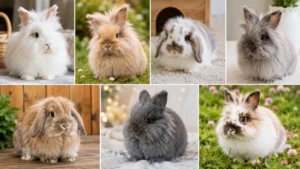
Size: 2.5-3.75 lbs. Temperament: Playful, friendly, outgoing. Grooming: Moderate (mane needs regular brushing). Lifespan: 8-12 years. Good for beginners? Yes, with grooming commitment. For more on grooming, see long haired bunny rabbit.
5. Polish Rabbit
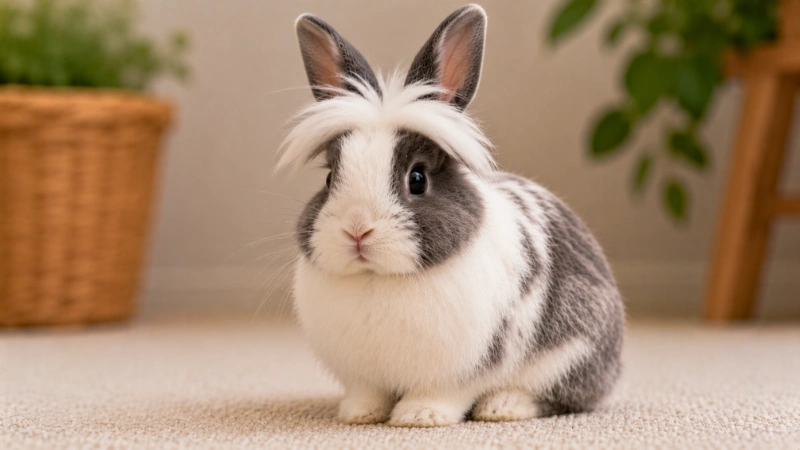
Size: 1.5-2.5 lbs. Temperament: Active, curious, friendly. Grooming: Low. Lifespan: 8-10 years. Good for beginners? Yes.
6. Jersey Wooly
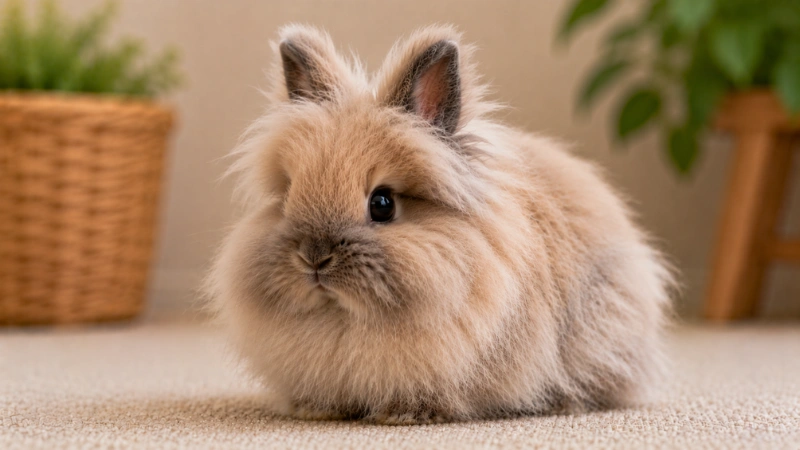
Size: 2.5-3.5 lbs. Temperament: Gentle, calm, easy to handle. Grooming: Moderate to high (woolly coat needs regular brushing). Lifespan: 8-10 years. Good for beginners? Yes, with grooming commitment.
The most popular dwarf bunny breeds are Netherland Dwarf (smallest), Holland Lop (calm, good for families), Mini Rex (velvety fur, low grooming), Lionhead (fluffy mane), Polish (tiny), and Jersey Wooly (gentle).
Do Dwarf Rabbits Stay Small Forever
Yes, dwarf rabbits stay small their entire lives. However, many people are confused because baby rabbits of standard breeds are also very small. A Flemish Giant baby is tiny, but it will grow to 15+ pounds. A Netherland Dwarf baby will stay under 3 pounds forever.
Small bunnies that stay small are true dwarf breeds. They reach their full adult size at 6 to 8 months of age. After that, they do not grow larger. A fully grown Netherland Dwarf weighs the same as a 2-month-old Flemish Giant.
The table below shows the adult weight range for dwarf breeds vs the weight of standard breed babies:
| Breed | 8 Weeks Old | Adult Weight | Netherland Dwarf | 8-12 oz | 1.5-2.5 lbs | Holland Lop | 1-1.5 lbs | 2-4 lbs | Mini Rex | 1-1.5 lbs | 3-4.5 lbs | Flemish Giant (for comparison) | 2-3 lbs | 12-20+ lbs |
|---|
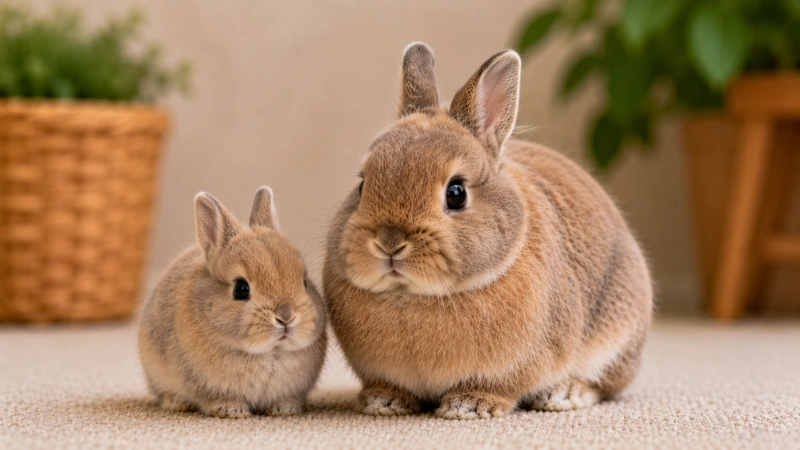
Dwarf rabbits stay small forever. They reach full adult size at 6-8 months old. A Netherland Dwarf adult weighs 1.5-2.5 lbs, while a Flemish Giant baby weighs that much at 8 weeks. True dwarf breeds never grow large.
The Truth About Teacup Bunny Rabbits
Teacup bunny rabbits are not a real breed. This is a marketing term used by unethical breeders to sell extremely small rabbits, often Netherland Dwarfs that are underweight or runts of the litter. Sometimes, they sell baby rabbits of standard breeds, claiming they will stay tiny.
According to veterinary sources and rabbit welfare organizations, “teacup rabbits” do not exist as a recognized breed. ARBA does not recognize any breed called “teacup.” The smallest recognized breeds are Netherland Dwarf, Polish, and Holland Lop. Any rabbit smaller than these is likely malnourished or a runt.
The table below debunks common teacup rabbit myths:
| Myth | Fact | Teacup rabbits are a real breed | No. No rabbit breed is called “teacup” by any recognized registry. | Micro bunnies stay under 1 lb | A rabbit under 1 lb is likely a malnourished baby or a runt with health problems. | Teacup rabbits are healthier | No. Extremely small rabbits have more health problems including dental issues and fragile bones. | Teacup rabbits live longer | No. Dwarf rabbits live 8-12 years, similar to standard breeds. “Teacup” rabbits often have shorter lifespans. |
|---|
Health risks of teacup rabbit breeding: Dwarf gene complications, dental malocclusion (teeth misalignment), fragile bones prone to fractures, gastrointestinal problems, and heart issues. Reputable breeders never advertise “teacup rabbits.” If you see this term, it is a red flag.
For more information on rabbit identification and breed standards, see what rabbit breed do I have.
Teacup bunny rabbits are not a real breed. This is a marketing term used by unethical breeders. No recognized rabbit breed is called “teacup.” Rabbits advertised as “micro bunnies” or “teacup rabbits” are often underweight babies or runts with health problems.
Dwarf Rabbit Personality and Temperament
Dwarf rabbits have big personalities in tiny bodies. However, not all dwarf breeds have the same temperament. Some are energetic and skittish. Others are calm and affectionate.
Friendly dwarf rabbits: Holland Lops are the most friendly dwarf bunny breed. They are calm, gentle, and enjoy human attention. Mini Rex rabbits are also very friendly and docile. Lionheads are playful and outgoing.
Calm mini rabbits: Holland Lops and Jersey Woolys are the calmest. Netherland Dwarfs, while tiny, are often more energetic and can be nippy. They are not recommended for families with young children.
Affectionate dwarf rabbits: Holland Lops and Mini Rex rabbits bond strongly with their owners. They enjoy being petted and will nuzzle for attention. Lionheads also enjoy human interaction but need regular grooming.
Are dwarf rabbits good for apartments? Yes. Their small size makes them excellent for apartment living. However, they still need a large enclosure (minimum 4×2 ft) and daily exercise outside the cage. For housing guidance, see ideal rabbit cage.
Are dwarf rabbits good for children? Holland Lops and Mini Rex are good with children who handle them gently. Netherland Dwarfs are not recommended for young children due to their skittish nature. For more on family-friendly breeds, see best bunny for kids.
Dwarf rabbit personalities vary by breed. Holland Lops are calm and affectionate. Mini Rex are docile and friendly. Lionheads are playful. Netherland Dwarfs are energetic and can be nippy, making them less suitable for young children.
Caring for a Dwarf Bunny
Caring for a dwarf bunny is similar to caring for larger rabbits, but there are important differences. Their small size makes them more fragile and sensitive to temperature changes.
Cage setup: A dwarf rabbit needs a minimum enclosure size of 4 feet by 2 feet (8 square feet). This is smaller than the 6×3 ft needed for standard rabbits. However, they still need 3-4 hours of daily exercise outside the cage. Never use wire flooring. Use solid flooring covered with fleece, foam mats, or thick hay.
Feeding small rabbits: Dwarf rabbits need unlimited hay (timothy or orchard grass), 1-2 tablespoons of pellets daily (not more!), 1-2 cups of fresh leafy greens daily, and fresh water always available. Do not overfeed pellets. Dwarf rabbits are prone to obesity because their small bodies cannot handle excess calories.
Exercise: Dwarf rabbits are very active. They need 3-4 hours of daily exercise outside their cage. Provide tunnels, chew toys, and a digging box. Rabbit-proof your home before allowing free-roam time.
Toys and enrichment: Provide apple sticks, willow balls, untreated wood blocks, cardboard tubes, and puzzle feeders. Rotate toys weekly to prevent boredom.
The table below is a care checklist for dwarf rabbits:
| Task | Frequency | Provide fresh hay | Unlimited, daily | Provide fresh water | Daily | Feed pellets (1-2 tbsp) | Daily | Feed fresh greens | Daily | Spot clean litter box | Daily | Full cage clean | Weekly | Groom (brush) | Weekly (daily for woolly breeds) | Check nails | Monthly | Veterinary checkup | Annually |
|---|
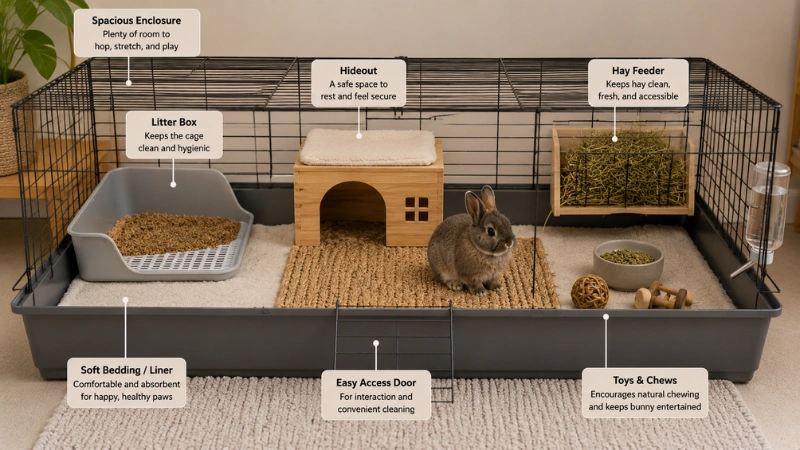
Caring for a dwarf bunny requires a minimum 4×2 ft enclosure, unlimited hay, limited pellets (1-2 tbsp daily), daily exercise, and weekly cage cleaning. Their small size makes them more fragile, so handle gently and rabbit-proof your home.
Common Health Problems in Dwarf Rabbits
Dwarf rabbits are prone to specific health problems related to their dwarf gene and small size. Understanding these issues helps you prevent them.
Dwarf rabbit dental issues: This is the most common health problem in dwarf breeds. The dwarf gene that causes short faces and round heads also causes teeth misalignment (malocclusion). The incisors may not wear down properly because they do not align. Signs: drooling, reduced appetite, weight loss, wet chin, and visible overgrown teeth. Prevention: unlimited hay to wear down teeth and annual veterinary dental checks. Treatment: regular teeth trimming by a vet.
Rabbit dwarf gene complications: The dwarf gene is dominant, but two copies are lethal. Responsible breeders never breed two true dwarfs together. Breeding two dwarfs can produce “peanuts” (babies with two dwarf genes) that do not survive.
Respiratory issues in dwarf rabbits: Their short faces (brachycephalic) can cause narrowed airways. Signs: snoring, noisy breathing, and increased risk of respiratory infections. Prevention: keep the environment dust-free and avoid extreme temperatures.
Obesity in dwarf rabbits: Their small bodies cannot handle excess calories. Overfeeding pellets is the most common cause. Signs: difficulty feeling ribs, lethargy, and a round, bulging belly. Prevention: measure pellets (1-2 tbsp daily), unlimited hay, daily exercise.
Fragile rabbit breeds: Dwarf rabbits have delicate bones. Their small size makes them more susceptible to injury from falls or rough handling. Children should always be supervised.
When to see a veterinarian: Seek veterinary care if your dwarf rabbit stops eating, produces no droppings for 12 hours, has difficulty breathing, shows signs of dental problems (drooling, weight loss), or has a visible injury.
Common health problems in dwarf rabbits include dental malocclusion (teeth misalignment), respiratory issues from short faces, obesity from overfeeding pellets, and fragile bones. Annual veterinary dental checks are essential for dwarf breeds.
Dwarf Bunny vs Large Rabbit Breeds
Choosing between a dwarf bunny and a large rabbit breed depends on your space, lifestyle, and preferences. The table below compares popular dwarf breeds against giant breeds.
| Characteristic | Dwarf Bunny (Netherland Dwarf) | Giant Rabbit (Flemish Giant) | Adult weight | 1.5-2.5 lbs | 12-20+ lbs | Cage size needed | 4×2 ft (8 sq ft) | 8×4 ft (32 sq ft) | Daily pellet amount | 1-2 tbsp | 1/2-1 cup | Personality | Energetic, can be skittish | Calm, gentle, “gentle giant” | Lifespan | 8-12 years | 5-8 years | Good for apartments | Yes | No (needs large space) | Good for families with children | Yes (Holland Lop), No (Netherland Dwarf) | Yes (with older children) |
|---|
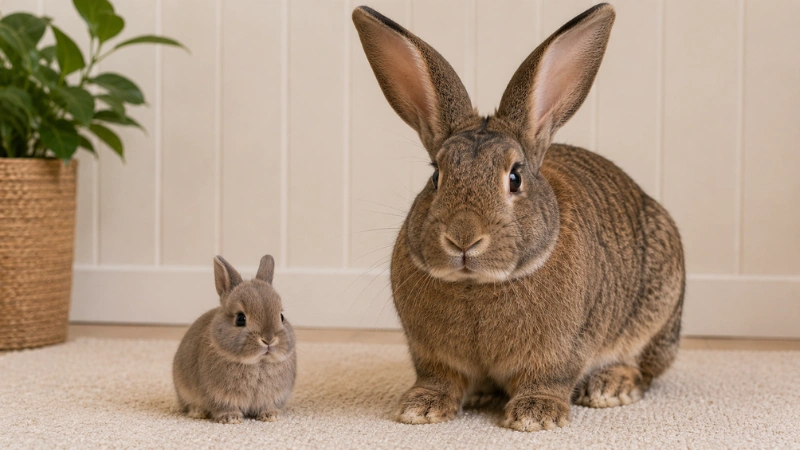
Dwarf bunnies need less space (4×2 ft cage) and less food (1-2 tbsp pellets) than giant breeds (8×4 ft cage, 1/2-1 cup pellets). Dwarfs live longer (8-12 years) than giants (5-8 years). Dwarfs are better for apartments; giants need large spaces.
Choosing the Right Dwarf Bunny
Choosing the right dwarf bunny for your family depends on your experience level, living situation, and preferences. Here are recommendations for different scenarios.
Best dwarf rabbit for beginners: Holland Lop or Mini Rex. Both are calm, friendly, and forgiving of minor handling mistakes. Holland Lops are small (2-4 lbs) with floppy ears. Mini Rex have velvety fur and are very docile. For more on beginner breeds, see friendliest rabbit breeds.
Best family dwarf rabbit: Holland Lop. They are gentle, calm, and tolerant of gentle handling from children. Mini Rex are also good. Netherland Dwarfs are not recommended for families with young children.
Best apartment dwarf rabbit: Holland Lop or Mini Rex. Both are small and quiet. They do not need as much space as larger breeds. However, they still need daily exercise outside the cage.
Easiest dwarf rabbit breed to care for: Mini Rex. Their velvety fur requires minimal grooming. They have calm temperaments. They are less prone to dental issues than Netherland Dwarfs.
Friendliest dwarf rabbit breed: Holland Lop. They are consistently rated as the most affectionate and gentle dwarf breed. Mini Rex are also very friendly. For more on friendly breeds, see friendliest rabbit breeds.
Before choosing any dwarf bunny, ensure you have a rabbit-savvy veterinarian nearby. Dwarf breeds, especially Netherland Dwarfs, require regular dental checks. For housing guidance, see ideal rabbit cage.
The best dwarf rabbit for beginners is Holland Lop or Mini Rex. The best family dwarf rabbit is Holland Lop. The best apartment dwarf rabbit is Holland Lop or Mini Rex. The easiest to care for is Mini Rex (low grooming). The friendliest is Holland Lop.
Final Thoughts
A dwarf bunny is one of the most adorable pets you can own. Their tiny size, round faces, and compact bodies make them look like living stuffed animals. From the tiny Netherland Dwarf (1.5-2.5 lbs) to the floppy-eared Holland Lop (2-4 lbs), there is a dwarf breed for every preference.
However, dwarf rabbits are not just small. They have specific health needs, especially dental issues related to the dwarf gene. They are more fragile than larger breeds and require gentle handling. They also need proper housing, diet, and enrichment. A dwarf bunny is not a “starter pet” or a “low-maintenance” pet.
If you are ready for the commitment, a dwarf bunny can be a wonderful companion for 8 to 12 years. Choose a breed that matches your lifestyle. Holland Lops and Mini Rex are best for beginners. Netherland Dwarfs are for experienced owners. For more information on rabbit breeds, see our types of rabbits guide. For housing guidance, see ideal rabbit cage. For breed identification, see what rabbit breed do I have.
Trusted Resources for Dwarf Rabbit Care
- American Rabbit Breeders Association (ARBA) – Official breed standards for Netherland Dwarf, Holland Lop, and other dwarf breeds
- RSPCA Rabbit Care Guide – Welfare guidelines for all rabbit breeds
- House Rabbit Society – Rabbit care information for pet owners
- PDSA Rabbit Care – UK veterinary charity guidance
- Humane Society Rabbit Care – General rabbit care information
FAQ Section: Questions You Might Have
The smallest rabbit breed in the world is the Netherland Dwarf. Adult Netherland Dwarfs weigh only 1.5 to 2.5 pounds. They have tiny ears (2-3 inches), a round face, and a compact body. The Polish rabbit (also called Britannia Petite) is similarly small, weighing 1.5 to 2.5 pounds.
Yes, dwarf rabbits stay small their entire lives. They reach full adult size at 6 to 8 months of age. A Netherland Dwarf adult weighs 1.5-2.5 lbs. A Holland Lop adult weighs 2-4 lbs. They do not continue growing like standard rabbit breeds.
Dwarf rabbits typically live 8 to 12 years. This is similar to standard rabbit breeds. With excellent care including proper diet, housing, and veterinary attention, some dwarf rabbits live to 12 or 13 years. Netherland Dwarfs often live on the higher end of the range.
No. Teacup rabbits are not a real breed. This is a marketing term used by unethical breeders to sell extremely small rabbits, often underweight Netherland Dwarfs or runts. No recognized rabbit registry (ARBA, BRC) recognizes any breed called “teacup” or “micro.” Reputable breeders never advertise teacup rabbits.
A micro bunny is another marketing term for extremely small rabbits, similar to “teacup.” There is no recognized micro bunny breed. The smallest recognized breeds are Netherland Dwarf and Polish. Any rabbit smaller than these is likely a malnourished baby or a runt with health problems.
Dwarf rabbits can bite, but not all do. Netherland Dwarfs are known for being energetic and can be nippy when frightened. Holland Lops and Mini Rex are generally calm and rarely bite. Biting is usually a fear response, not aggression. Proper handling and socialization prevent biting. For more, see do rabbits bite.
Yes, dwarf rabbits are excellent for apartments. Their small size means they need less space than giant breeds. A dwarf rabbit needs a minimum 4×2 ft enclosure. They are generally quiet and do not make noise that disturbs neighbors. However, they still need 3-4 hours of daily exercise outside the cage.
Some dwarf breeds are good with children. Holland Lops and Mini Rex are calm and tolerate gentle handling. Netherland Dwarfs are not recommended for young children because they are skittish and may bite. Always supervise interactions between any rabbit and children. For more, see best bunny for kids.
A dwarf bunny from a reputable breeder typically costs $50 to $150. Show-quality rabbits may cost $200 to $500. Adoption fees from rescues are lower ($20 to $50). However, the purchase price is only the beginning. Setup costs (cage, supplies) are $100-200, and ongoing costs (food, bedding, vet care) are $50-100 per month.
The friendliest dwarf rabbit breed is the Holland Lop. They are calm, gentle, and affectionate. They enjoy human attention and are good with families. Mini Rex are also very friendly and docile. Lionheads are playful and outgoing. Netherland Dwarfs are less friendly; they can be skittish and nippy.