
How Long Do Gerbils Live? Complete Lifespan and Care Guide
Most pet gerbils live between 3 and 5 years. Some reach 6 or even 7 with the right care. This guide covers everything that affects gerbil lifespan, from genetics and diet to habitat and stress, plus how to spot aging early and help your gerbil live as long as possible.
Your gerbil was fine last week. Now he seems slower, eating less, hiding more. It is easy to panic. But sometimes that is just aging. The hard part is knowing the difference.
Understanding how long gerbils typically live, what speeds up their decline, and what you can actually control makes you a much better owner. And it starts here.
How Long Do Gerbils Live?
The average pet gerbil lives between 3 and 5 years. Most Mongolian gerbils, the most common pet species, fall right in that range when given proper care.
Wild gerbils typically live shorter lives. Predators, food scarcity, and harsh weather cut their lifespan to around 2 to 3 years. Pet gerbils have none of those pressures, which is why captive care makes such a huge difference.
Mongolian Gerbil Lifespan Expectations
Mongolian gerbils are the most studied pet gerbil species. With good genetics, proper diet, and a low-stress environment, many reach 4 to 5 years comfortably. The variation is wide, and genetics plays a large role.
Male vs Female Gerbil Lifespan
Research suggests females may develop certain tumors more frequently than males, particularly mammary tumors. Males tend to live slightly longer on average, though the difference is not dramatic. Individual care quality matters far more than sex.
The Oldest Recorded Gerbils
The oldest confirmed pet gerbil on record reached 8 years and 4 months. That is exceptional. Most owners should expect 3 to 5 years and consider anything beyond that a bonus earned through excellent husbandry.
Gerbil Life Stages Explained
Baby Gerbil Stage
Gerbil pups are born blind, hairless, and completely dependent. They develop rapidly during the first four weeks. Nutrition during this phase directly impacts long-term health, which is why mother’s diet and nest quality matter so much from day one.
Juvenile Gerbil Stage
Between 5 and 12 weeks, gerbils become increasingly active and curious. This is a critical window for socialization and bonding. Gerbils introduced to enrichment early tend to be calmer and more confident adults.
Adult Gerbil Stage
From around 3 months to roughly 2.5 years, most gerbils are in their physical prime. Energy levels are high, behavior is stable, and health problems are less common during this phase. This is the easiest period of ownership.
Senior Gerbil Stage
From around 2.5 to 3 years onward, gerbils begin showing signs of age. They sleep more, move slower, and may lose some weight. Fur can thin slightly and mobility may reduce. These are normal changes, not immediate causes for alarm.
What matters is spotting the difference between normal slowing and genuine illness.
What Factors Affect a Gerbil’s Lifespan?
Genetics and Breeding Quality
This is the factor most owners cannot control after the fact. Gerbils from reputable breeders who prioritize health over volume tend to live longer. Mass-bred gerbils from pet store chains often carry inherited weaknesses that surface later in life.
Exotic veterinarians frequently see gerbils from poor breeding backgrounds develop tumors, dental issues, and respiratory problems earlier than well-bred animals. If you are choosing a gerbil, sourcing from a responsible breeder is one of the best investments you can make in long-term health.
Common inherited issues include seizure disorders, dental malocclusion, and tumor predisposition. These cannot always be avoided, but knowing the risk helps you monitor more carefully.
Diet and Nutrition
A balanced commercial gerbil seed and pellet mix forms the foundation of a healthy diet. Variety matters. A mix that includes seeds, grains, dried vegetables, and some protein sources covers most nutritional needs.
Fresh foods like small pieces of carrot, broccoli, cucumber, and leafy greens can supplement the staple diet a few times per week.
Foods that actively shorten gerbil lifespan include anything high in sugar, citrus fruits, onions, garlic, grapes, raisins, and processed human snacks. Obesity is a real risk when sugary treats become a regular habit.
A fat gerbil might look cute, but excess weight stresses the organs and shortens the timeline.
Fresh water must always be available. Use a sipper bottle rather than an open bowl. Dehydration accelerates illness and puts unnecessary strain on the kidneys.
Habitat Quality
Cage size is one of the most commonly underestimated factors in gerbil health. A pair of gerbils needs a minimum of 40 by 70 centimeters of floor space, ideally more. Small cages cause chronic stress, restrict exercise, and reduce mental stimulation.
Bedding depth is critical. Gerbils are natural burrowers. They need at least 15 to 20 centimeters of substrate to dig tunnels and feel secure.
Shallow bedding is one of the most common mistakes beginners make. It increases stress and eliminates natural behavior.
Ventilation matters enormously for respiratory health. Wire mesh-topped enclosures offer better airflow than full aquariums. Poor ventilation traps ammonia from urine and dramatically increases the risk of respiratory infections.
Temperature should stay between 18 and 24 degrees Celsius. Humidity should remain below 50 percent.
Exercise and Enrichment
Gerbils are active animals. They need an exercise wheel designed specifically for their size. A solid-surface wheel of at least 17 to 20 centimeters diameter prevents tail and spine injuries. Mesh or barred wheels cause degloving injuries and should be avoided entirely.
Burrowing itself is enrichment. When gerbils can dig and rearrange their environment, it reduces stress hormones and keeps the mind active.
Chew toys made from untreated wood, cork, or cardboard keep teeth worn down naturally and prevent overgrowth. Rotating toys every week or two maintains novelty without causing stress from total habitat upheaval.
Stress Levels
Chronic stress silently shortens gerbil lifespan. Predator stress from cats, dogs, or birds hovering near the cage triggers repeated stress responses that wear down immune function over time.
Loud music, televisions near the enclosure, and sudden vibrations all count as stressors.
Social isolation is a major welfare concern. Gerbils are highly social animals. A lone gerbil typically shows more stress behaviors, lives a lower quality life, and may decline faster.
Compatible bonded pairs dramatically reduce stress. That said, incompatible cage mates cause equal damage through constant conflict. Introducing gerbils correctly matters just as much as having them paired.
Veterinary Care
Many owners never take their gerbils to a vet. This is a mistake that shortens lives. Exotic pet veterinarians can detect dental misalignment, respiratory infections, early tumor growth, and weight loss before they become critical.
Annual wellness checks are ideal. At minimum, visit a vet at the first sign of any symptom.
Common Health Problems That Shorten Gerbil Lifespan
Respiratory Infections
Labored breathing, clicking sounds, nasal discharge, and lethargy are all warning signs. Respiratory infections in gerbils can progress from mild to fatal within days.
Poor ventilation, damp bedding, and drafts are common causes. Seek veterinary care immediately if breathing sounds abnormal.
Dental Disease
Gerbil teeth grow continuously throughout life. Without adequate chewing material, teeth overgrow and misalign, making eating impossible.
Drooling, pawing at the mouth, and sudden weight loss despite appetite are telltale signs. Providing daily chew opportunities prevents most dental problems.
A vet can file or trim overgrown teeth, but prevention is far easier than treatment.
Tumors and Cancer
Tumors are one of the leading causes of death in older gerbils, particularly females. Mammary tumors, skin tumors, and internal masses become more common after age 2.
Regular physical checks, gently running your fingers along the body, help you catch lumps early. Early detection significantly improves outcome options.
Seizures in Gerbils
Seizures in gerbils are often stress-triggered and can be hereditary. Affected gerbils may freeze, twitch, or convulse for a short period before recovering.
Keep the environment quiet during and after an episode. Remove cage mates temporarily if they react with aggression.
Frequent or prolonged seizures require veterinary evaluation, as they may signal neurological problems beyond simple stress response.
Wet Tail and Digestive Illness
Watery diarrhea in gerbils causes rapid dehydration and can be fatal within 24 to 48 hours. Causes include bacterial infections, dietary changes too abrupt, and spoiled food.
Bloody or foul-smelling diarrhea is an emergency. Offer fresh water, remove any fresh foods temporarily, and contact a vet the same day.
Injuries and Fractures
Unsafe wheels cause tail injuries and spinal damage. Falls from handled heights can fracture small limbs.
Tail degloving, where the skin strips from the tail, happens when gerbils are grabbed by the tail tip. Always support the full body when handling.
Check the enclosure for sharp edges or gaps that could trap limbs.
Signs of Aging in Gerbils
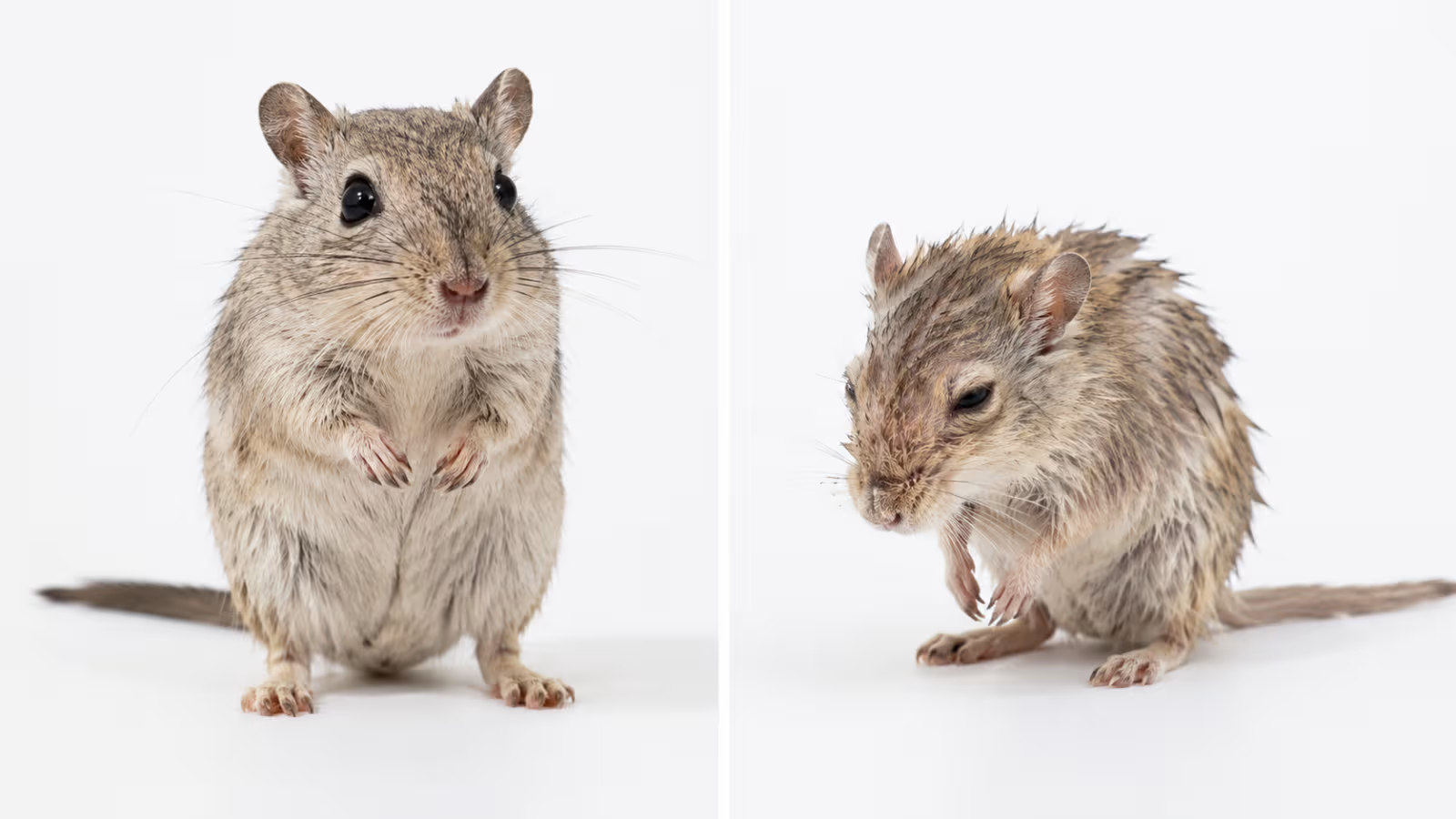
Normal aging looks like this. Your gerbil sleeps more during the day, moves a little slower, and may lose a small amount of weight gradually over several months.
Activity reduces but does not disappear. Interest in food continues. Social behavior with a bonded companion remains mostly intact.
Owners who have kept gerbils for several years often describe the shift this way. Around age 3, things slow down noticeably. The gerbil still responds to you, still eats, still grooms. It is a gentler version of the animal you knew.
Abnormal aging looks different. Rapid weight loss, difficulty breathing, visible lumps, refusal to eat, persistent hunching, loss of coordination, or sudden behavioral withdrawal all need veterinary attention.
These are not just signs of getting old. They are signs something specific is wrong.
Normal vs Abnormal Aging at a Glance
Normal Aging
- Sleeping longer each day
- Gradual mild weight loss
- Less running on the wheel
- Slower movement around the enclosure
- Slightly duller coat
Symptoms Needing Veterinary Attention
- Rapid or significant weight loss within days or weeks
- Labored or noisy breathing
- Visible lumps or swelling anywhere on the body
- Complete loss of appetite lasting more than 24 hours
- Persistent hunched posture at rest
- Loss of balance or coordination
- Sudden personality change or extreme withdrawal
How to Help a Gerbil Live Longer
Keep the environment predictable. Gerbils thrive on routine. Moving the cage, deep-cleaning too frequently, or rearranging the entire habitat can trigger significant stress.
Spot-clean dirty patches of bedding daily and do a full clean every three to four weeks rather than weekly, to preserve scent markers that provide security.
Feed a species-appropriate diet every day. Fresh water every day. Monitor weight monthly by gently holding your gerbil and assessing body condition. You should be able to feel ribs slightly but not see them sharply.
Pair gerbils with a compatible companion from a young age. Solitary gerbils show more repetitive stress behaviors and tend to decline faster.
If a bonded partner dies, consider carefully whether introducing a new companion is appropriate given your gerbil’s age and temperament.
Beginner Mistakes That Can Shorten Gerbil Lifespan
- Using a standard aquarium without mesh ventilation on top
- Providing less than 15 centimeters of bedding depth
- Using plastic accessories that get chewed into sharp ingested fragments
- Using a wheel that is too small, barred, or mesh-surfaced
- Feeding sugary treats several times per week
- Housing incompatible gerbils together and ignoring conflict signs
- Deep-cleaning the entire cage weekly, which destroys scent security
- Waiting weeks before seeing a vet when symptoms first appear
Every one of these mistakes appears repeatedly in gerbil care forums and veterinary consultations. Most are easy to fix once you know about them.
Ideal Habitat Setup for Longevity
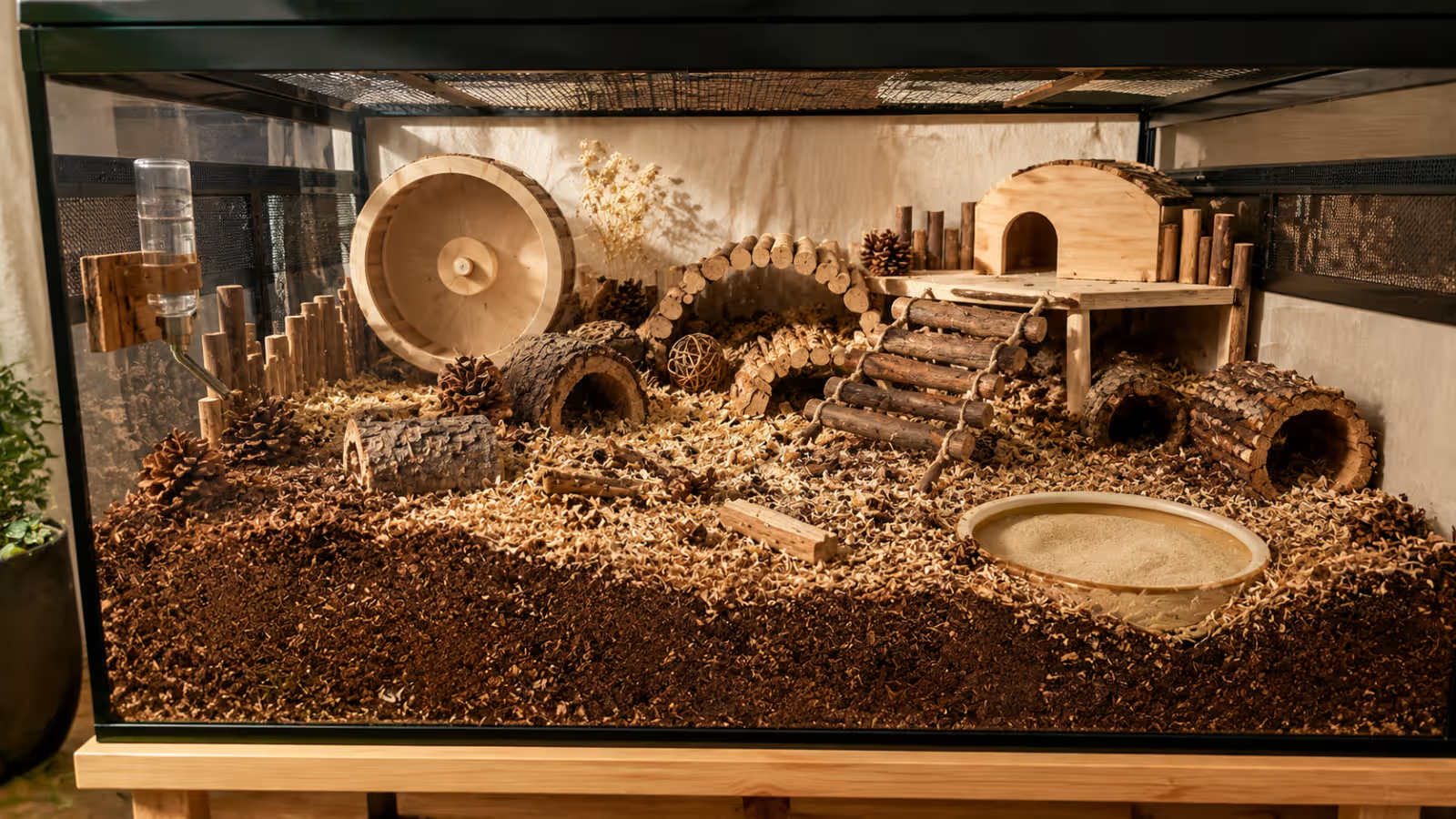
A well-built enclosure is the single most impactful thing you control as an owner. Size matters more than aesthetics.
Habitat Requirements
- Minimum enclosure size: 100 liters capacity or 70 cm x 40 cm floor space for a pair
- Bedding depth: 15 to 20 centimeters minimum, deeper is better
- Best bedding materials: plain paper-based bedding, hemp bedding, or a mix of both
- Temperature: 18 to 24 degrees Celsius
- Humidity: below 50 percent
- Wheel size: 17 to 20 cm diameter, solid surface only
- Sand bath frequency: offer a sand bath dish two to three times per week, remove after a few hours
- Full clean schedule: every three to four weeks, not more frequently
- Spot clean: daily removal of wet or soiled bedding patches
Safe chew options include untreated softwood blocks, cork pieces, cardboard rolls, and seagrass mats. Rotate enrichment items every week to maintain interest without eliminating the familiar scent of the habitat overall.
Diet Guide for a Longer Gerbil Lifespan
A good quality commercial gerbil mix provides the foundation. Look for mixes that contain whole seeds, grains, legumes, and dried vegetables rather than mixes heavy in sunflower seeds and corn, which are high in fat.
Fresh foods you can offer a few times per week include broccoli, carrot tops, cucumber, kale, cauliflower leaves, and small amounts of cooked plain egg for protein.
Protein sources matter, especially for younger and older gerbils. Around 15 to 20 percent protein in the overall diet supports muscle maintenance.
Foods to Avoid Completely
- Citrus fruits
- Grapes and raisins
- Onions and garlic
- Chocolate and sweets
- Processed human food
- Apple seeds and fruit pits
- Iceberg lettuce, which is very low in nutrition and can cause loose stools
Treats like small pieces of plain millet, a single sunflower seed, or a sliver of unsalted cracker once or twice a week are fine. Regular daily treats lead to obesity and nutritional imbalance over time.
A healthy adult gerbil is lean with a defined body shape, not rounded and heavy.
Senior Gerbil Care
Older gerbils need small adjustments, not a complete overhaul. Lower climbing structures so falls become less likely. Move food dishes and water bottles to easily accessible positions at ground level.
Add extra soft bedding material so resting is more comfortable.
If a gerbil is losing weight despite eating, offer softer foods like small pieces of cooked sweet potato, banana slices, or soaked pellets. Senior gerbils sometimes struggle with harder foods due to dental changes.
If a bonded companion dies and the surviving gerbil is already elderly, introduction of a new gerbil may cause more stress than comfort. Assess carefully.
Increased gentle handling time from you can partially compensate for lost companionship in some cases.
Quality of life assessment is something exotic veterinarians increasingly offer for small pet seniors. If your gerbil is no longer eating, grooming, or showing any interest in its environment, that conversation with a vet is worth having.
When Should You Worry About Your Gerbil?
Emergency Symptoms Requiring Same-Day Veterinary Contact
- Labored, noisy, or rapid breathing
- Seizure lasting more than two minutes or repeated episodes within hours
- Severe visible weight loss over days rather than weeks
- Bloody or profuse watery diarrhea
- Persistent hunched posture that does not resolve with rest
- Complete refusal to eat or drink for more than 24 hours
- Sudden inability to walk normally or loss of coordination
- Large new lump appearing quickly
Important: Gerbils hide illness instinctively because in the wild, showing weakness invites predation. By the time symptoms are obvious, illness has often progressed significantly. Trust your instincts. If something feels wrong, contact a vet rather than waiting.
Gerbil Lifespan Myths and Misconceptions
“Gerbils Always Die Young”
This is usually a reflection of poor care rather than biology. Well-cared-for gerbils routinely live 4 to 5 years. The myth persists because so many pet store gerbils are poorly bred and kept in inadequate conditions from the start.
“Small Cages Are Fine for Small Pets”
Cage size and animal size are unrelated in terms of welfare. Gerbils need space to run, dig, and explore. A small cage causes chronic stress regardless of body size. This directly shortens lifespan.
“Gerbils Do Not Need Vet Care”
This belief costs gerbils their lives every year. Dental disease, respiratory infections, and tumors are treatable when caught early. By the time owners seek help, many conditions have become critical.
“All Slowing Down Is Normal Aging”
Some slowing down is normal. Rapid changes in behavior, appetite, or mobility are not. The distinction matters and can determine whether an intervention saves a life.
“Single Gerbils Are Happier”
There is no behavioral or scientific support for this claim. Gerbils are social animals that benefit from appropriate companionship. Isolation increases stress, reduces activity, and negatively affects long-term health.
Expert Tips to Extend Gerbil Lifespan
- Keep daily routines predictable. Feed at the same time, handle gently and consistently, and avoid major habitat changes without gradual transition.
- Reduce environmental stress by positioning the enclosure away from television screens, speakers, direct sunlight, and areas with heavy foot traffic or pet access.
- Rotate enrichment every one to two weeks using new chew items or rearranged hides, but leave some familiar items in place each time.
- Monitor body weight monthly by gently cupping your gerbil in your hands and assessing condition. A kitchen scale accurate to one gram works well.
- Observe social interactions daily if you keep a bonded pair. Persistent chasing, barbering of fur, or refusal to share nest space can signal a pairing breakdown.
- Prioritize prevention over treatment. Regular observation and routine vet checks catch problems while they are still manageable.
Conclusion
Most gerbils live between 3 and 5 years. Some do better. A few fall short. The difference almost always comes back to care quality, enclosure setup, diet, stress management, and how attentive the owner is to early warning signs.
You cannot control genetics. You can control everything else. Proper housing, appropriate nutrition, social companionship, and access to veterinary care when needed give your gerbil the best possible chance at a full, healthy life.
Beginners often worry most in the first few weeks and then relax too much as the animal settles in. The later years, from age 2.5 onward, actually require more attention, not less. Knowing what to watch for makes all the difference.
Your gerbil does not need perfection. It needs consistency, appropriate care, and an owner who pays attention.
FAQ Section: Questions You Might Have
A 3-year-old gerbil is roughly equivalent to a human in their late 50s to early 60s. At this stage, gerbils are entering their senior years and may begin showing signs of reduced energy and slower movement.
Gerbils can survive alone but they do not thrive alone. Social isolation increases stress and reduces quality of life. Bonded pairs demonstrate more natural behavior, lower stress indicators, and generally better wellbeing.
Sudden death in gerbils can result from cardiac events, severe internal infection, advanced undetected tumors, seizure complications, or extreme temperature stress. In many cases, subtle illness signs were present but missed. A vet examination post-loss can sometimes provide answers.
Yes. Increased daytime sleep is a normal part of gerbil aging. What is not normal is complete lethargy, inability to rouse easily, or sleeping in unusual positions accompanied by other symptoms.
A high-quality commercial gerbil mix with varied seeds, grains, and dried vegetables forms the base. Supplement with fresh vegetables two to three times weekly. Avoid sugary foods, citrus, and high-fat treats given daily.
Yes. Chronic stress suppresses immune function, disrupts digestion, and can trigger life-threatening seizure episodes in genetically predisposed animals. Acute shock from predator presence or extreme handling can also cause fatal cardiac events.
A safe, appropriately sized solid-surface wheel supports physical fitness and mental stimulation, both of which contribute to overall health. Unsafe wheels that cause injury do the opposite. The wheel itself is not the answer, but appropriate exercise is genuinely beneficial.
Most gerbils are considered senior from around 2.5 to 3 years of age. This is when behavioral and physical changes associated with aging typically begin to appear, though individual variation is significant.