
It sounds convenient, honestly. Many betta owners quietly hope their fish might help clean the tank, especially when algae starts showing up faster than expected.
The Short Answer: Betta fish may nibble algae occasionally, but they do not truly eat algae as part of a healthy diet. Your Betta splendens, also called a Siamese fighting fish, is an obligate carnivore that depends on a protein-rich diet, not plant matter.
That small distinction matters more than most beginners realize. In this guide, you’ll learn why bettas sometimes peck at algae, what excess algae may reveal about your tank, and how to keep your aquarium healthy without expecting your fish to handle the cleaning.
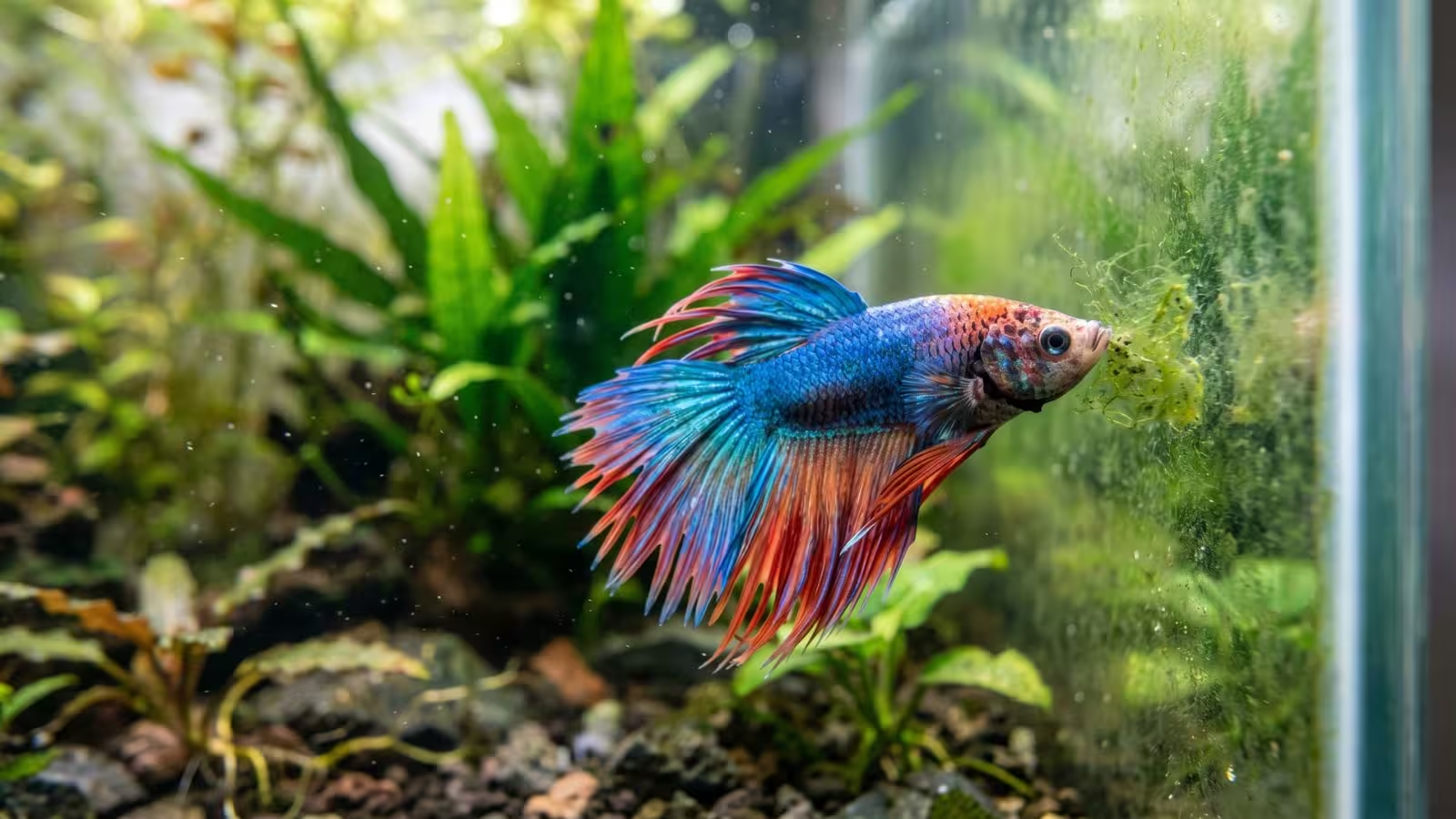
Understanding the Betta’s Digestive Reality
The Obligate Carnivore Fact
One of the biggest misconceptions in the aquarium hobby is assuming fish naturally eat whatever grows inside their tank. Bettas simply are not built that way.
In the wild, Betta splendens survives by hunting tiny insects, larvae, and crustaceans. Their wild diet mainly consists of high-protein prey, which is why bettas are considered insectivorous fish with very specific dietary requirements.
Their bodies reflect this feeding style. Bettas have a short digestive tract designed to process animal protein quickly, not large amounts of plant material like algae.
This is where the omnivorous misconception creates problems. Just because a betta pecks at something does not mean it belongs in its diet.
Think of algae like chewing on lettuce when your body really needs meat. A tiny accidental bite usually causes no harm, but it offers almost no meaningful nutrition for a fish built around carnivorous feeding.
A healthy betta thrives on quality food sources such as:
- High-protein betta pellets or sinking pellets
- Frozen or live food in moderation
- Occasional treats like freeze-dried bloodworms
- A consistent feeding routine
Many beginners accidentally assume their fish is “feeding itself” after spotting algae nibbling. Unfortunately, relying on this behavior can slowly lead to nutritional deficiency, reduced energy, and poor overall condition.
One thing many hobbyists notice over time is that hungry bettas inspect almost everything. Gravel, floating particles, reflections, and even tiny bubbles sometimes trigger feeding instincts.
That curiosity often gets mistaken for actual eating.
Why Betta Fish Sometimes “Nibble” on Algae
This is the part that confuses many owners. If bettas are carnivores, why do they sometimes peck green surfaces?
Most of the time, they are not really eating algae at all. They are simply exploring.
Exploratory Pecking
Bettas are naturally curious fish. In a captive environment, they constantly inspect their surroundings, especially if the tank lacks stimulation or enrichment.
Sometimes what looks like algae eating is actually something else. Your betta may be targeting tiny edible particles trapped inside algae, including leftover food, microorganisms, or biofilm growing on surfaces.
You’ll often notice this behavior around aquatic plants, aquarium decor, or tank corners. A few pecks followed by swimming away is usually normal and not something to stress over.
Many new betta owners panic here because it looks unusual. In reality, curious pecking is fairly common and often harmless.
Nutritional Deficiency-Seeking Behavior
Sometimes repeated pecking tells a different story. If your betta constantly grazes surfaces throughout the day, poor nutrition or hunger could be part of the problem.
Watch for warning signs that suggest your feeding routine may need adjusting:
- Constant searching behavior
- Aggressive reactions during feeding
- Weight loss or thinning body shape
- Low energy
- Reduced color intensity
A weak diet causes more problems than many people expect. Cheap flakes designed for general tropical fish often fail to meet a betta’s need for concentrated animal protein and balanced nutrients.
One useful trick is watching your fish after feeding. If algae pecking stops after quality food, hunger or boredom was likely the reason.
If the behavior continues obsessively, start checking water parameters too. Stress sometimes changes eating behavior long before visible illness appears.
The Hidden Dangers of Algae in a Betta Tank
When Algae Indicates Poor Water Quality
A little algae is not automatically bad. In fact, a small amount is completely normal in a balanced aquatic ecosystem.
Problems begin when algae suddenly spreads fast or starts covering every surface. Thick green buildup, cloudy water, or fuzzy algae growth often signals that something inside the tank has shifted out of balance.
Most algae problems trace back to a handful of causes:
- Excess nutrients
- Overfeeding
- Long lighting duration
- Weak biological filtration
- Poor tank maintenance
- Rising nitrate levels
Inside every aquarium, waste follows a natural process called the nitrate cycle. Fish waste breaks down into ammonia, beneficial bacteria convert it into nitrites, and eventually nitrates begin building in the water.
When nutrients pile up faster than the tank can process them, algae takes advantage. It feeds on excess nutrients and spreads quickly through photosynthesis, especially in brightly lit tanks.
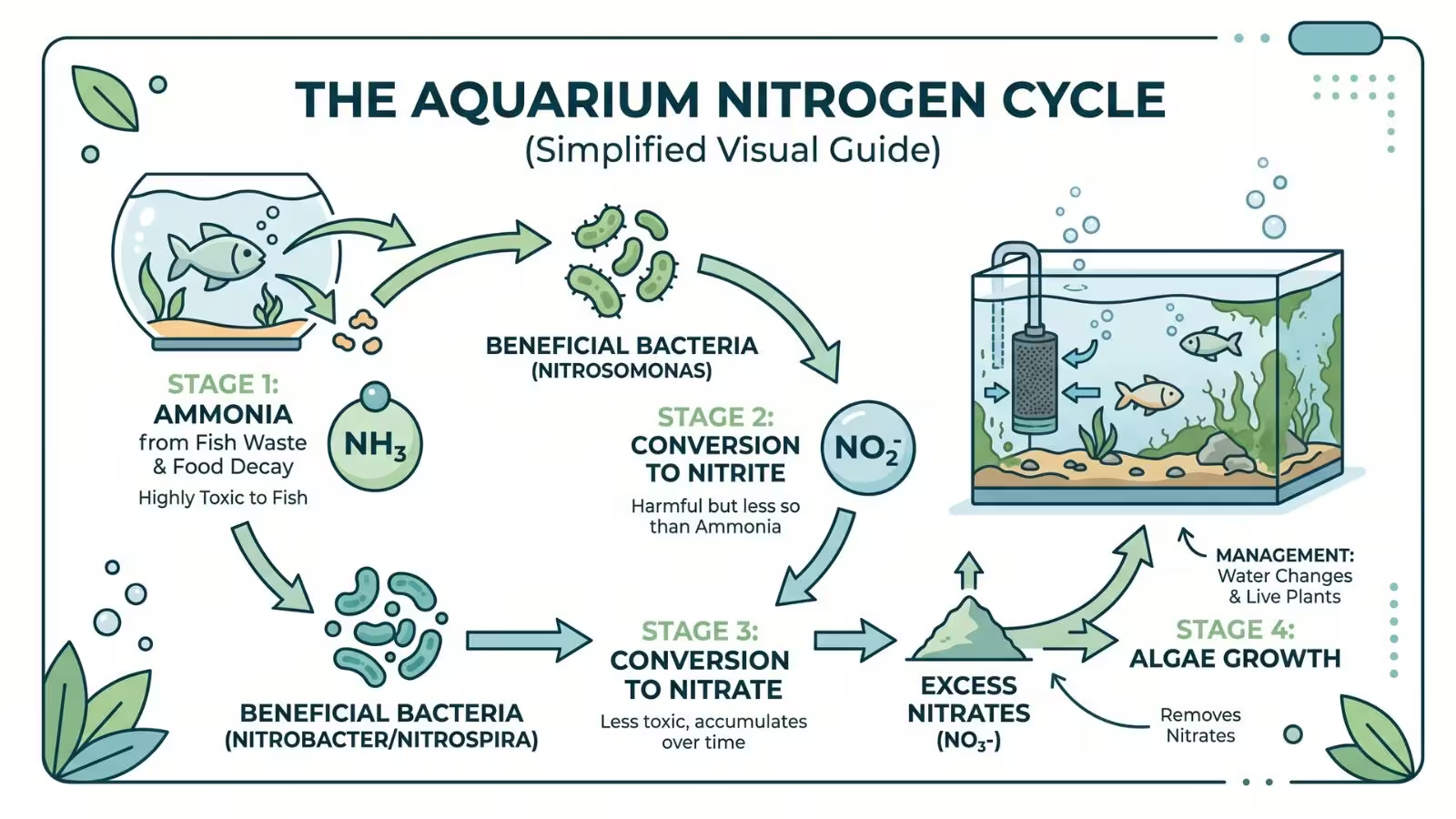
Many beginners focus only on the green glass while missing the real issue underneath. Algae itself is often the symptom, not the root problem.
This is where testing matters. A liquid test kit can reveal hidden issues before your fish starts showing stress.
For a healthy betta tank, aim for:
- Ammonia: 0 ppm
- Nitrite: 0 ppm
- Nitrate: ideally under 20 ppm
- Temperature: 76–82°F (24–28°C)
- pH: 6.5–7.5
One thing I’ve noticed is that bettas often show subtle changes before conditions become dangerous. Appetite shifts or unusual hiding behavior sometimes appear days before obvious sickness.
The Impact on Respiratory Health
Heavy algae growth can quietly change water conditions in ways many owners do not expect. A tank may still look okay while stress slowly builds underneath.
During daylight, algae produces oxygen. Once the lights go out, the process reverses and algae starts consuming oxygen while releasing carbon dioxide.
In a small enclosed aquarium, that shift can matter. Tanks with poor circulation or heavy organic waste sometimes experience lower oxygen availability overnight.
Bettas do have a labyrinth organ that lets them breathe surface air. Still, that does not mean poor water quality becomes harmless.
Watch for signs your fish may be struggling:
- Hanging near the surface constantly
- Faster breathing
- Reduced appetite
- Lethargy
- Faded coloration
Decaying algae creates another hidden issue. As dead algae breaks down, extra waste enters the water and can destabilize water chemistry, increasing overall stress.
In my experience, appetite changes are often the earliest clue something feels off in the tank. Bettas rarely stop eating for no reason.
How to Effectively Control Algae (The Right Way)
If algae keeps coming back, don’t blame your betta. Most algae problems come from small maintenance habits that slowly add up over time.
The good news is that algae is usually very manageable. You do not need harsh chemicals or endless scrubbing sessions to fix it.
A healthy betta tank stays balanced through consistency. Stable water parameters, moderate lighting, careful feeding, and regular aquarium maintenance solve most algae issues before they become frustrating.
One mistake many beginners make is treating only the symptom. Scraping algae off the glass helps temporarily, but if excess nutrients stay in the water, the algae almost always returns.
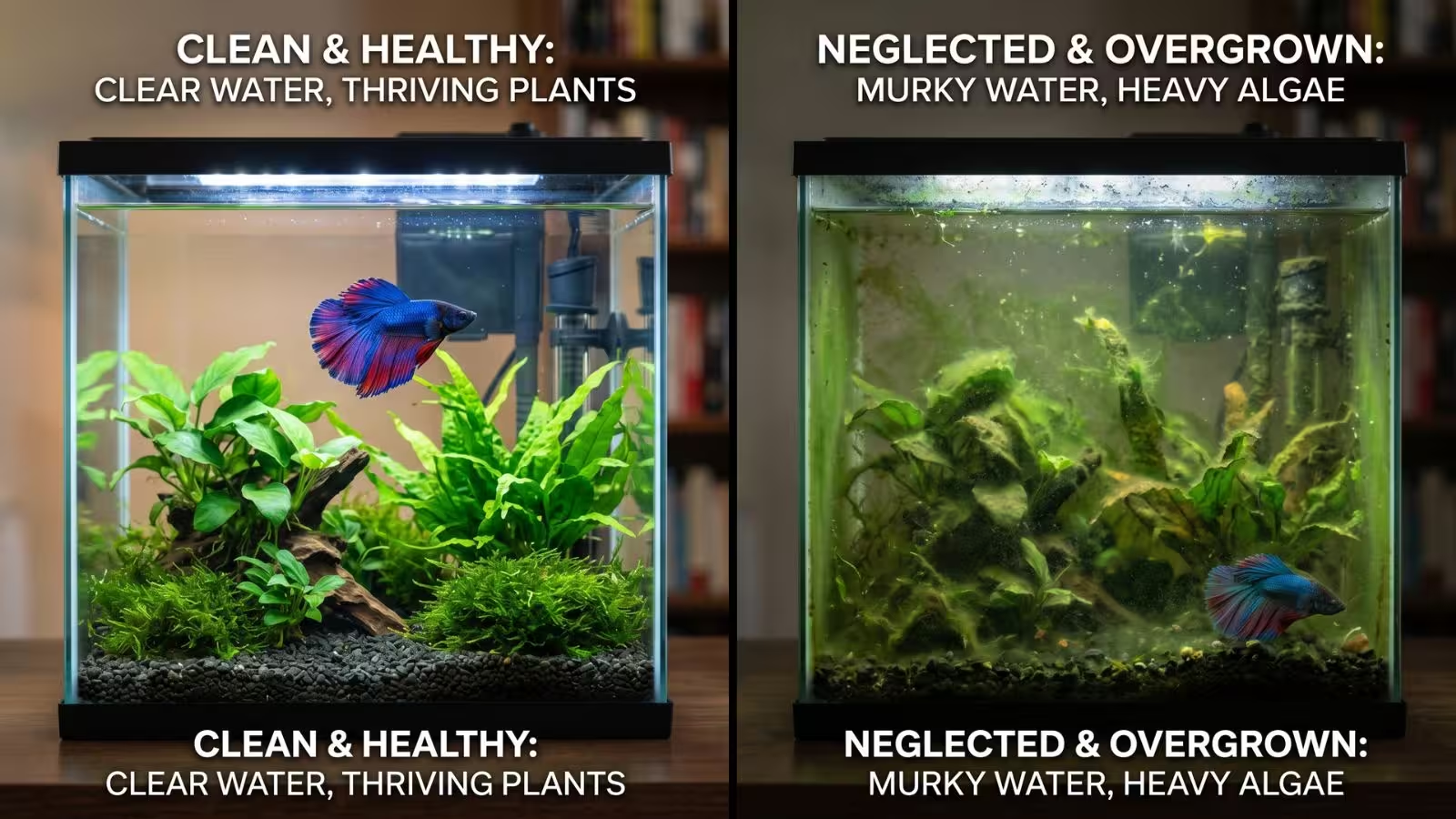
The Step-by-Step Maintenance Workflow
If your tank has started turning green faster than usual, this simple routine works well for most heated and filtered betta setups.
Healthy tanks are usually built through small habits repeated every week. Think of maintenance as prevention rather than cleanup.
| Task | Frequency | Tool Used |
|---|---|---|
| Remove algae from glass | Weekly or as needed | Algae scraper |
| Partial water change (20–30%) | Weekly | Water siphon |
| Test ammonia, nitrite, nitrate | Weekly | Liquid test kit |
| Remove uneaten food | Daily | Net or manual removal |
| Trim dying plant matter | Weekly | Aquarium scissors |
| Clean filter media gently | Monthly | Old tank water |
| Treat tap water | Every water change | Water conditioner |
| Control lighting schedule | Daily | Light timer |
Overfeeding quietly fuels algae overgrowth more than most owners realize. Uneaten food breaks down quickly, adding nutrients that algae loves.
A betta’s stomach is surprisingly small. Feeding too much “just in case” often creates more waste than nutrition.
Most healthy adult bettas do well with high-quality food once or twice daily. A mix of premium pellets, occasional live food, and protein-rich treats keeps nutrition balanced without overwhelming the tank.
If algae suddenly worsens, check feeding habits before anything else. Many tanks improve simply by reducing excess food and sticking to a routine.
Best Algae-Eating Tankmates for Betta Fish
If your betta will not clean the algae, maybe another tankmate can help. Sometimes that works, but compatibility matters more than many people expect.
Bettas have personalities. Some tolerate tankmates peacefully while others turn surprisingly territorial overnight.
Nerite Snails
For many betta setups, nerite snails are one of the safest algae helpers. They stay relatively peaceful and spend most of their time cleaning glass, decorations, and hard surfaces.
They are especially useful against soft green algae. Since they rarely bother fish, many bettas simply ignore them after initial curiosity fades.
That said, not every betta reacts the same way. Some fish repeatedly nip at snail antennae, especially in smaller tanks.
A minimum 5-gallon heated and filtered tank gives both animals more space and reduces stress. Cramped environments tend to make territorial behavior worse.
Amano Shrimp
Amano shrimp are well-known for helping control algae, especially hair algae and leftover food debris. In planted aquariums, they can be surprisingly effective cleaners.
Still, there is a catch. Some bettas see shrimp as roommates, while others see expensive snacks.
Heavily planted tanks improve the odds of success because shrimp have places to hide. Dense aquatic plants, driftwood, and aquarium decor help reduce confrontation.
The Risk of Overcrowding
Adding more animals sounds like an easy fix for algae. Sometimes it accidentally creates bigger problems.
Every additional creature increases waste inside the aquarium. More waste means more nutrients, which can actually worsen algae growth if biological filtration and maintenance are not adjusted.
This mistake happens often in the aquarium hobby. Owners add a “cleaning crew” and unintentionally create a heavier bio-load than the tank can handle.
Start small and observe behavior carefully. A peaceful, stable environment matters far more than squeezing extra cleaners into a tank.
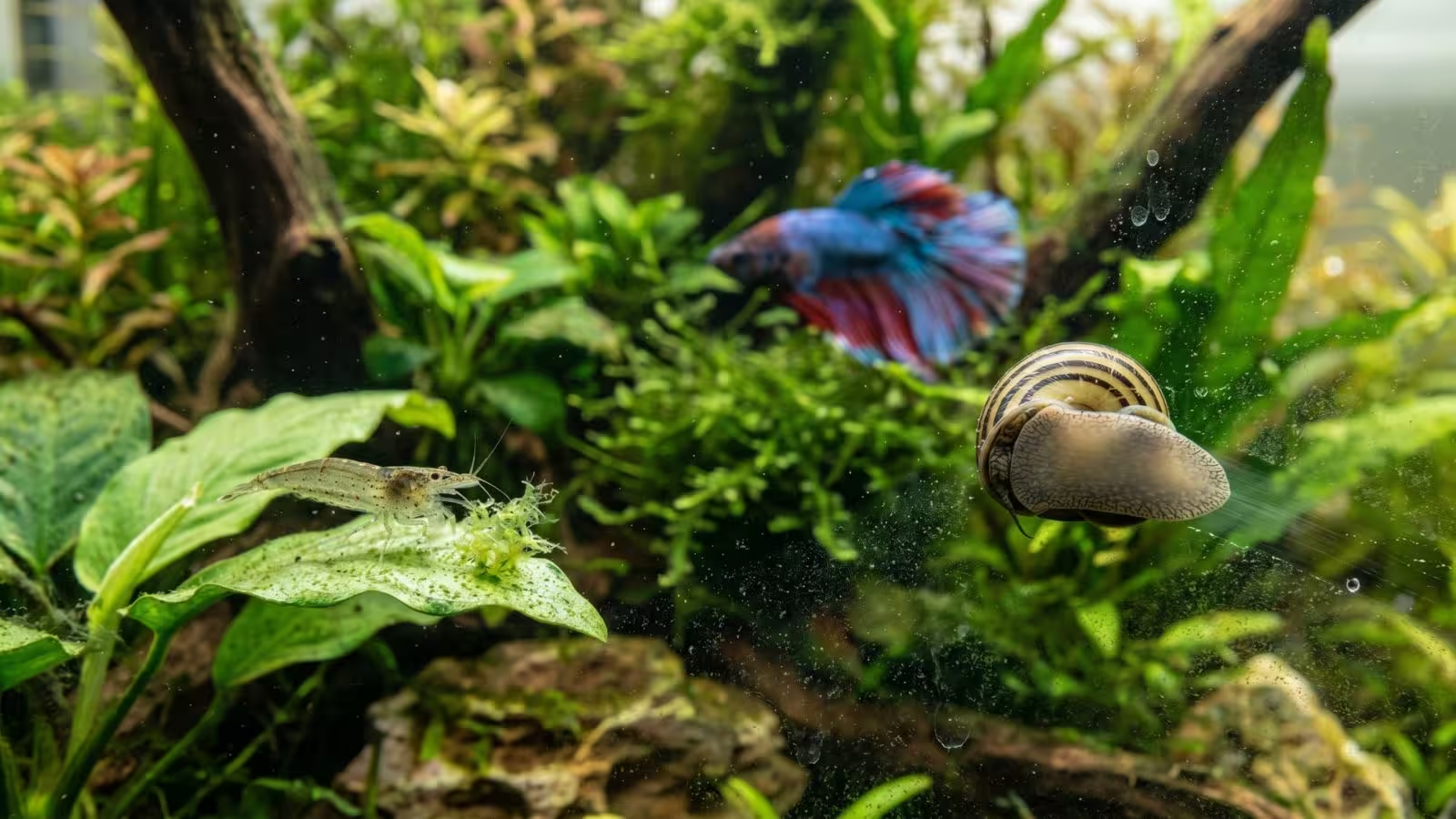
- Nerite snails
- Amano shrimp (with caution)
- Mystery snails (larger tanks)
- Small peaceful invertebrates
- Common plecos
- Fin-nipping fish
- Aggressive fish
- Overcrowded community species
Common Myths vs. Professional Realities
“My Betta Is Eating Algae, So He’s Fed”
This myth causes more nutritional problems than many people realize. A betta pecking algae does not mean dietary needs are being met.
Remember, Betta splendens is an obligate carnivore. Their bodies depend on animal protein, not algae, for energy, muscle health, immune support, and healthy digestion.
Algae provides almost no meaningful nutritional value for a betta. A fish relying heavily on surface grazing may slowly develop nutritional imbalances, reduced activity, or faded coloration.
Quality feeding still matters, even if your fish occasionally pecks around the tank. High-protein pellets combined with occasional frozen or live foods remain the safest long-term approach.
One thing many beginners misunderstand is hunger behavior. Bettas investigate surfaces when curious, stressed, or bored, not only when searching for food.
The “Lazy Cleaner” Fallacy
It would be nice if bettas cleaned the tank for us. Sadly, fish do not replace proper manual tank maintenance.
Even tanks with algae eaters still need regular care. Glass gets dirty, waste settles into substrate, and water chemistry changes whether you notice it or not.
Skipping routine maintenance quietly causes long-term stress. Rising nitrates, unstable water parameters, and excess waste often contribute to illness weeks before symptoms appear.
Healthy betta tanks usually come down to consistency. Ten or fifteen minutes of care each week makes an enormous difference over time.
Pro-Tips for a Pristine Betta Habitat
Managing Light Cycles to Prevent Growth
Too much light is one of the fastest ways to encourage algae. This happens constantly when tanks sit near sunny windows or lights stay on all day.
For most betta aquariums, 6–8 hours of lighting daily works well. A simple light timer removes guesswork and keeps lighting consistent.
If algae continues returning, shorten lighting slightly before making major changes. Sudden adjustments sometimes stress plants and destabilize the tank.
Natural sunlight deserves extra caution too. Even indirect sunlight can quietly trigger algae blooms faster than expected.
Strategic Plant Choices to Out-Compete Algae
Healthy aquatic plants help in ways many beginners overlook. Fast-growing plants naturally absorb nutrients algae would otherwise use.
This gentle competition often improves tank balance without much effort. It also makes the aquarium feel more natural and secure for your betta.
Good beginner-friendly plant choices include:
- Java fern
- Anubias
- Water sprite
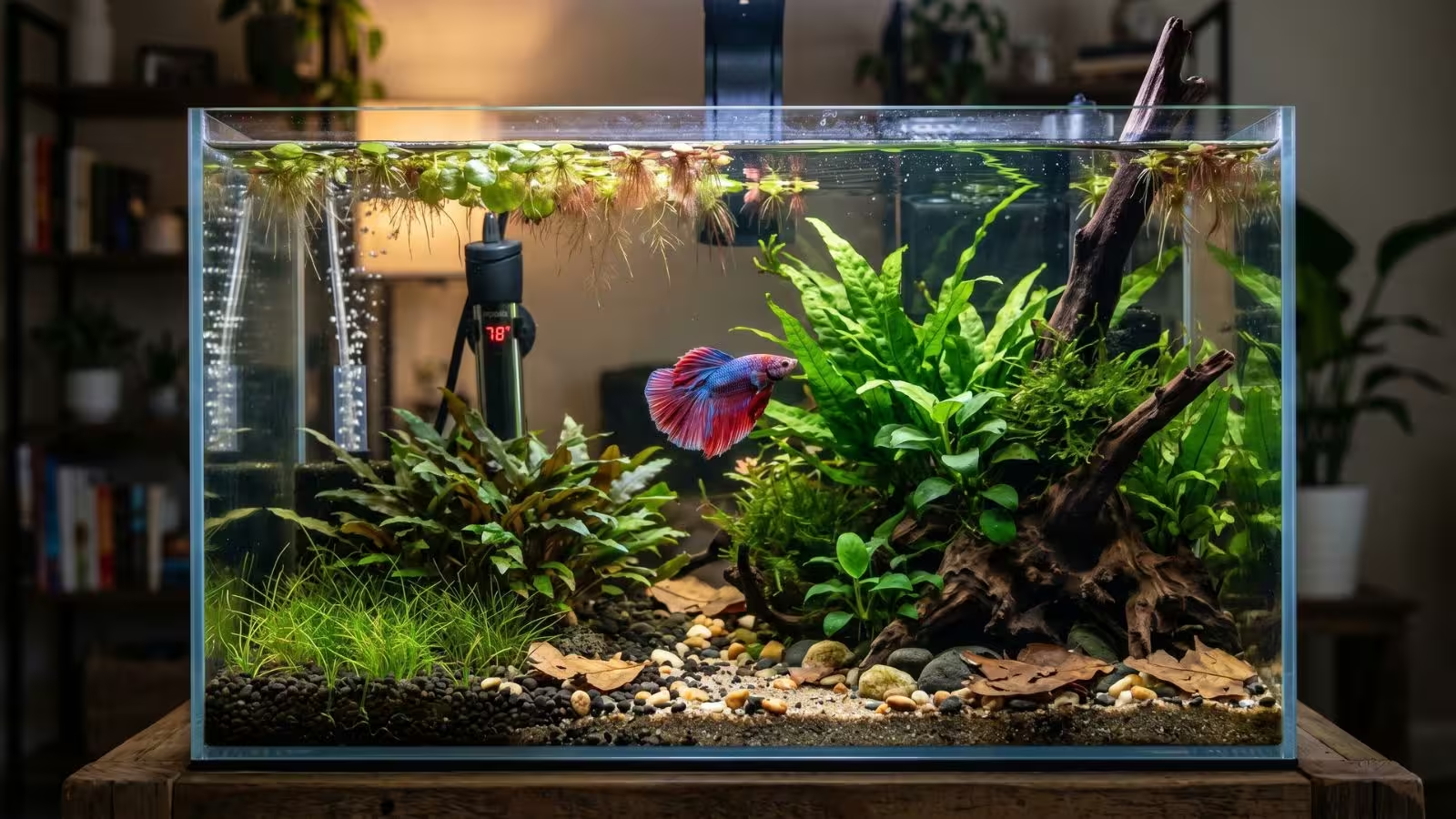
- Floating plants like frogbit
Many bettas love resting on broad leaves or exploring planted areas. Just avoid overcrowding the tank because easy swimming space still matters.
FAQ Section: Questions You Might Have
Usually, no. Small accidental bites are not dangerous, and many bettas occasionally peck algae while exploring.
The concern starts when owners assume algae replaces real nutrition. Since bettas are obligate carnivores, they still need a proper protein-rich diet to stay healthy.
In most cases, no. Common plecos grow far too large for a betta tank and create heavy waste loads.
Even smaller plecos often need larger aquariums than beginners expect. A nerite snail or carefully introduced Amano shrimp is usually a safer choice.
Manual removal works fastest. Remove visible algae, reduce lighting duration, and cut back on overfeeding if needed.
A weekly water change combined with stable maintenance habits usually fixes the problem better than quick chemical solutions.
Not always. High nitrate increases the chances, but algae growth also depends on lighting, bio-load, feeding habits, and plant competition.
Some tanks stay relatively clean despite moderate nitrates, while others grow algae quickly because multiple conditions favor growth.
Usually, it is safer to avoid them. Harsh algaecides can stress sensitive fish and destabilize water chemistry, especially in smaller aquariums.
Manual cleaning, stable biological filtration, and consistent maintenance habits are safer long-term solutions. Bettas generally do better with gradual fixes than sudden chemical changes.