
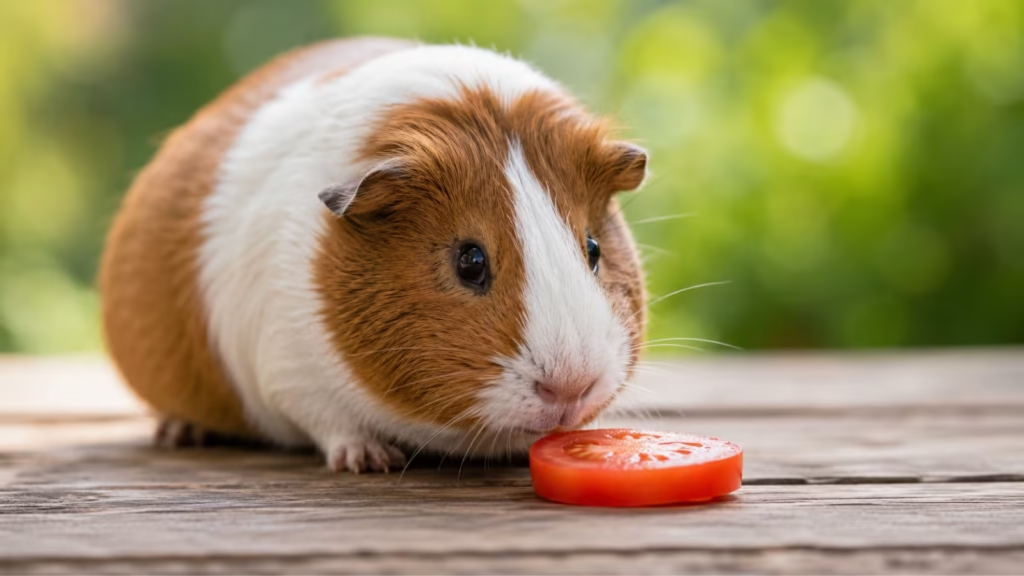
The good news is that ripe tomatoes are not toxic to guinea pigs. In small amounts, they can actually provide useful nutrition, including vitamin C, which guinea pigs critically need since their bodies cannot produce it on their own.
The catch is that not all parts of a tomato are safe, portion size matters more than most owners realize, and feeding tomatoes the wrong way can quickly cause digestive problems.
This guide covers everything you need to know: which parts are safe, which are dangerous, how much to feed, what warning signs look like, and how to fit tomatoes sensibly into an overall balanced guinea pig diet.
Can Guinea Pigs Have Tomatoes?
Yes, guinea pigs can have tomatoes. Ripe tomato flesh is generally considered safe for healthy adult guinea pigs when offered occasionally and in small portions. The key word here is occasionally. Tomatoes are not a vegetable you want to toss in the cage every day.
Tomatoes contain natural acids and sugars that can irritate a guinea pig’s sensitive digestive system if given too frequently or in large amounts. Guinea pigs have fairly delicate guts, and even foods that are technically safe can cause soft stools, diarrhea, or mouth soreness if they eat too much.
So yes, guinea pigs can eat tomatoes — but the amount and frequency matter a great deal.
Tip: Think of tomatoes as a treat. They can be nutritious in the right dose, but they should not replace staple foods like hay, leafy greens, or pellets.
Which Parts of a Tomato Are Safe for Guinea Pigs?
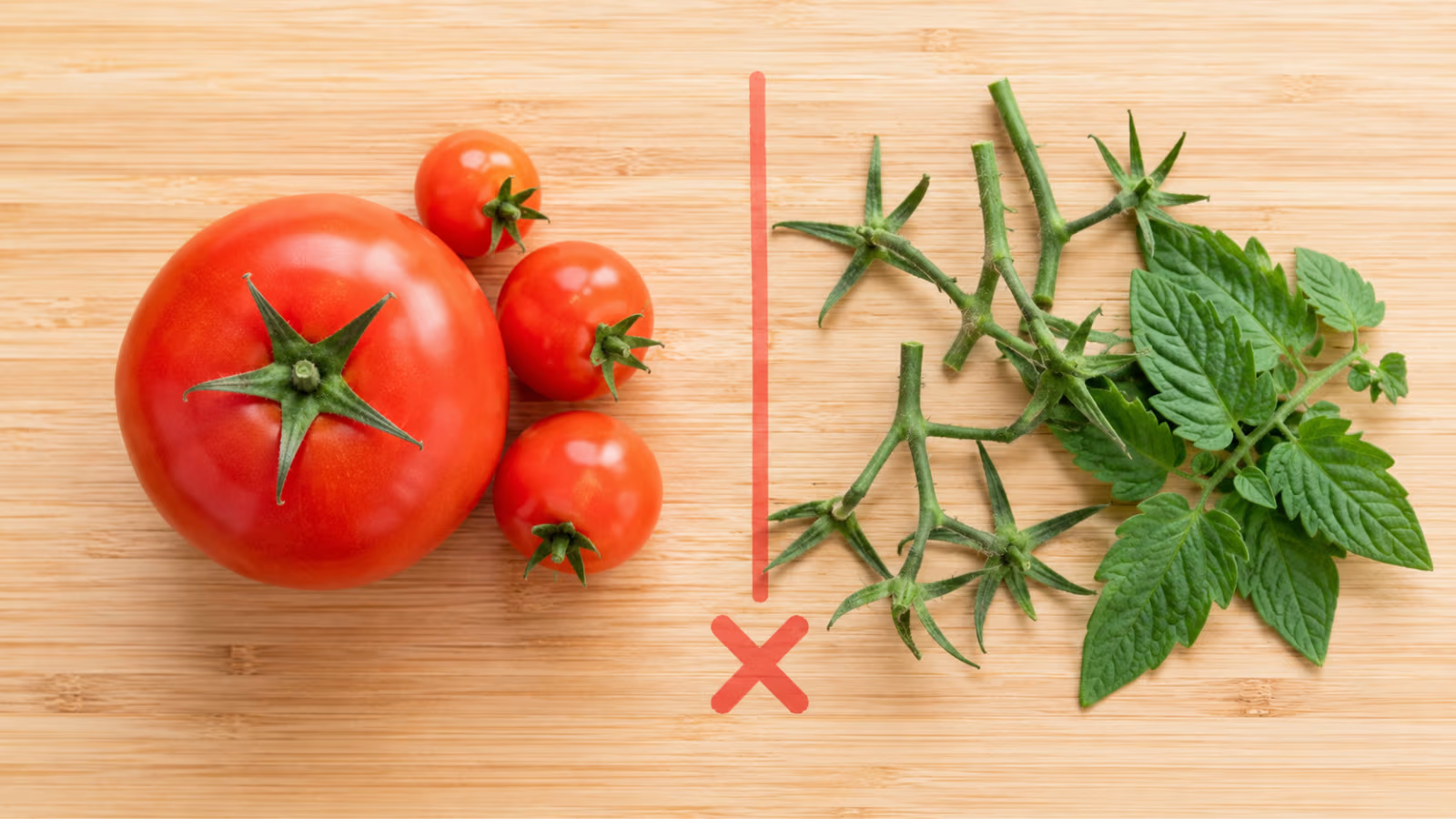
This is where many owners make mistakes, often without realizing it. The tomato plant itself is a member of the nightshade family, and several of its parts contain compounds that are genuinely toxic to small animals.
Safe Parts of the Tomato
- Ripe red tomato flesh
- Tomato skin, when properly washed
- Seeds in small amounts
- Cherry tomatoes, ripe, washed, and cut into pieces
- Grape tomatoes
Parts That Are Unsafe and Should Never Be Fed
- Tomato leaves
- Tomato stems
- Tomato vines
- Green or unripe tomatoes
- Tomato flowers
The leaves, stems, and vines of a tomato plant contain solanine and tomatine, alkaloid compounds that are toxic to guinea pigs. Green unripe tomatoes also contain elevated levels of these compounds. Even a small amount of leaf or stem material can cause digestive distress or more serious poisoning symptoms.
Important: Always remove the stem completely before cutting tomato slices for your guinea pig.
Can Guinea Pigs Eat Cherry Tomatoes?
Cherry tomatoes are a popular choice because they are easy to portion. A single cherry tomato cut into two or three small pieces is typically enough for one guinea pig in a single serving. They have the same nutritional profile as regular tomatoes, so the same rules apply.
Wash them thoroughly, remove any remaining stem or green cap at the top, and cut them into manageable pieces before offering them. Some owners find cherry tomatoes more convenient because they are already small and naturally portion-controlled.
Just do not let the small size fool you into thinking more is fine. The serving size is about half a cherry tomato, not the entire container.
Can Guinea Pigs Eat Tomato Seeds?
Tomato seeds are safe in small quantities. Unlike apple seeds or cherry pits, tomato seeds do not contain cyanide compounds or anything significantly harmful to guinea pigs.
Most owners simply slice the tomato and serve it without making any effort to remove the seeds, and this is completely acceptable.
There is no need to go out of your way to de-seed every tomato slice. As long as your guinea pig is only eating a small portion, the seeds should not cause any problems.
Can Guinea Pigs Eat Tomato Skin?
Yes, tomato skin is safe as long as the tomato has been washed properly. The skin contains fiber and some antioxidants, and there is no reason to peel it before serving.
However, unwashed tomato skin can carry pesticide residues or chemical coatings that are harmful.
Always rinse tomatoes under running water before cutting. If you can access organic tomatoes, that is worth considering, but even organic produce should be washed before serving.
Can Baby Guinea Pigs Eat Tomatoes?
Baby guinea pigs have significantly more sensitive digestive systems than adults. Their guts are still developing, and the acidity in tomatoes can cause digestive upset more easily in young animals.
Technically, a baby guinea pig can eat a very tiny amount of ripe tomato once it has transitioned to solid foods, but it is not something to rush.
For young guinea pigs, the focus should be on unlimited Timothy hay, high-quality pellets designed for growing guinea pigs, fresh water, and gentle leafy greens like romaine lettuce.
If you do decide to introduce tomato to a young guinea pig, start with a piece no bigger than a pea, watch their droppings for 24 hours, and stop immediately if anything looks off. It is much safer to wait until they are a few months old before introducing acidic treats.
Nutritional Benefits of Tomatoes for Guinea Pigs
One reason tomatoes are worth including occasionally is their vitamin C content. Guinea pigs are one of the few mammals that cannot synthesize vitamin C internally, which means they depend entirely on their diet to get enough.
A vitamin C deficiency can lead to scurvy, which may cause weight loss, rough coat, lethargy, swollen joints, and eventually serious illness.
Tomatoes also provide hydration thanks to their high water content, some dietary fiber to support gut motility, potassium for nerve and muscle function, and antioxidants that support overall cellular health.
These benefits are real, but they are secondary to the fact that bell peppers offer far more vitamin C with far less acidity. Tomatoes are a useful supplement to a varied diet, not a primary vitamin C source.
Note: A small amount of tomato once or twice a week can add dietary variety without overloading the digestive system.
How Much Tomato Can Guinea Pigs Have?
Moderation is the single most important rule when feeding tomatoes. Many owners give too much because tomatoes seem harmless, and that is when problems start.
Recommended Serving Size for an Adult Guinea Pig
- One to two small slices of ripe tomato
- Or half a cherry tomato
- One to two times per week at most
Do not feed tomatoes daily. Even if your guinea pig seems to love them and shows no immediate reaction, daily tomato feeding increases the cumulative acid load on the digestive system and often leads to soft stools or loose droppings over time.
Every guinea pig is a little different. Some handle tomatoes well; others are more sensitive. Start with a small piece, observe how your pet responds, and adjust from there.
If droppings stay firm and your guinea pig continues eating hay normally, the portion was fine. If anything changes, reduce the amount or stop feeding tomatoes temporarily.
How to Feed Tomatoes to Guinea Pigs Safely
Getting this right does not require much effort, but a few steps make a real difference.
Start by selecting a fully ripe red tomato. Avoid anything that is still green, soft and overripe, or showing signs of mold. A good ripe tomato should be firm, uniformly red, and have no soft spots or discoloration.
Wash it thoroughly under running water, rubbing the skin gently to remove any surface residue. Dry it briefly with a clean towel or paper towel if you prefer, though this is optional.
Remove the stem and any green cap material completely before cutting. Even a small piece of stem left on the slice is something you want to avoid.
Then cut the tomato into small, bite-sized pieces appropriate for a guinea pig’s mouth. Very large chunks are harder for them to manage and can be messier to clean up from the cage.
Place the tomato pieces in a clean dish or directly on a flat surface in the cage. Remove any uneaten tomato after a couple of hours to prevent it from going off and attracting bacteria.
Signs Your Guinea Pig Had Too Much Tomato
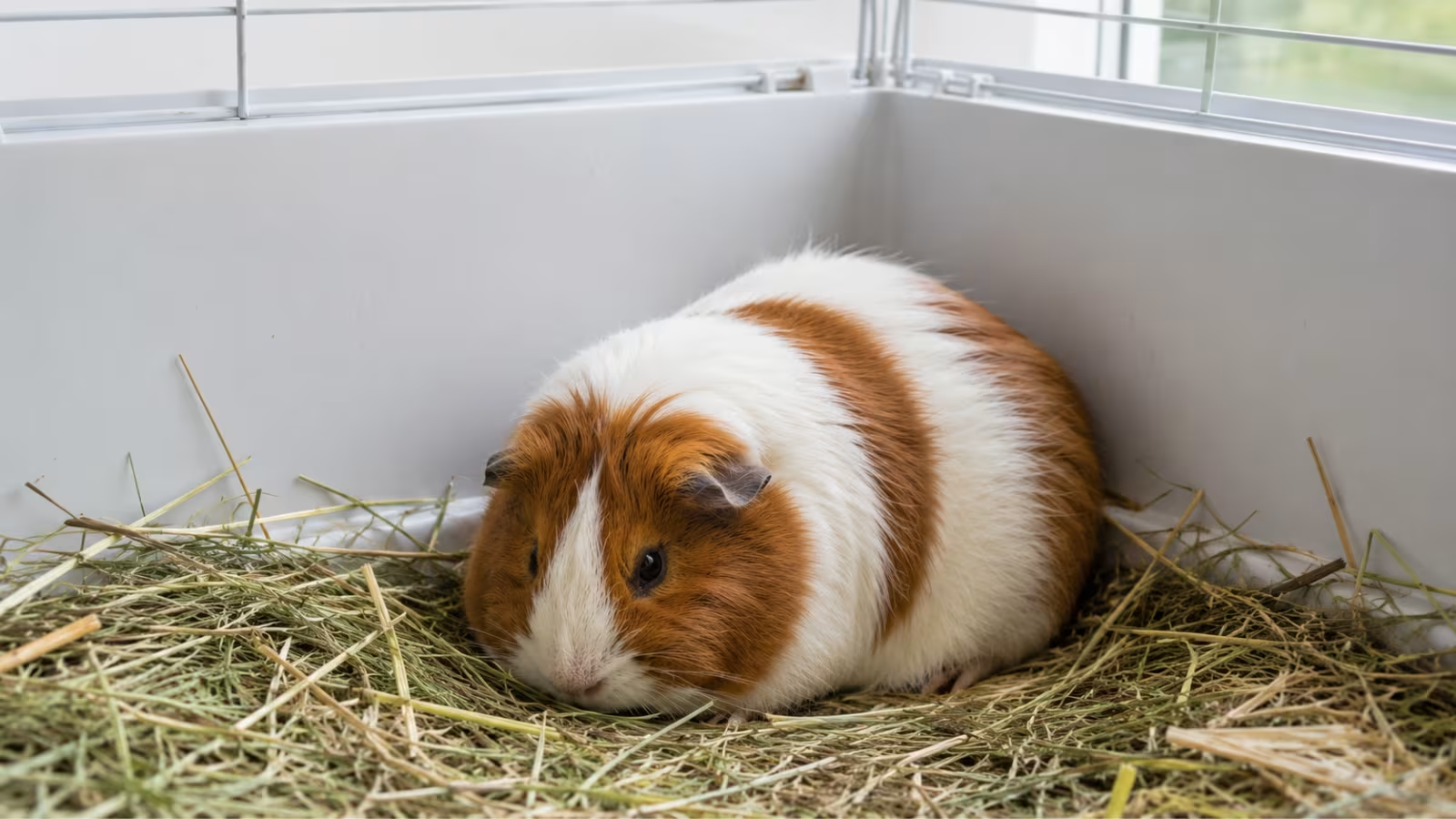
Guinea pigs react to dietary problems fairly quickly, often within a few hours of eating something that upsets their system. Knowing what to look for helps you catch issues before they become serious.
Watch for loose or unusually soft droppings after feeding tomatoes. Normal guinea pig droppings should be firm, oval-shaped, and consistent. If they become watery or clumped, that is a digestive signal worth paying attention to.
Other signs that tomatoes may have been too much include:
- Reduced appetite
- Reluctance to eat hay
- Excessive drooling
- Pawing at the mouth
- Lethargy or unusual stillness
- Bloating
- Hunched posture
Guinea pigs are prey animals and naturally hide signs of illness, so even subtle changes in behavior deserve your attention.
If you see any of these signs, remove tomatoes and other treats immediately, make sure hay and water are readily available, and monitor closely over the next 24 hours.
If the symptoms persist or worsen, an exotic animal veterinarian should see your guinea pig. Digestive problems in small animals can escalate quickly.
What Happens If a Guinea Pig Eats Tomato Leaves or Stems?
This situation warrants immediate action. The leaves and stems of the tomato plant contain solanine and tomatine, toxic alkaloid compounds that cause problems in guinea pigs even in relatively small amounts.
Symptoms of tomato plant toxicity may include digestive upset, drooling, loss of appetite, weakness, unusual lethargy, and abnormal behavior. In more serious cases, the neurological effects of alkaloid compounds can cause tremors or loss of coordination.
If you know or suspect your guinea pig ate tomato leaves or stem material, remove all access to the plant immediately and watch very closely.
Warning: If any symptoms appear within a few hours, contact an exotic veterinarian. Do not wait to see if the animal improves on its own.
Best Vegetables to Offer Alongside Tomatoes
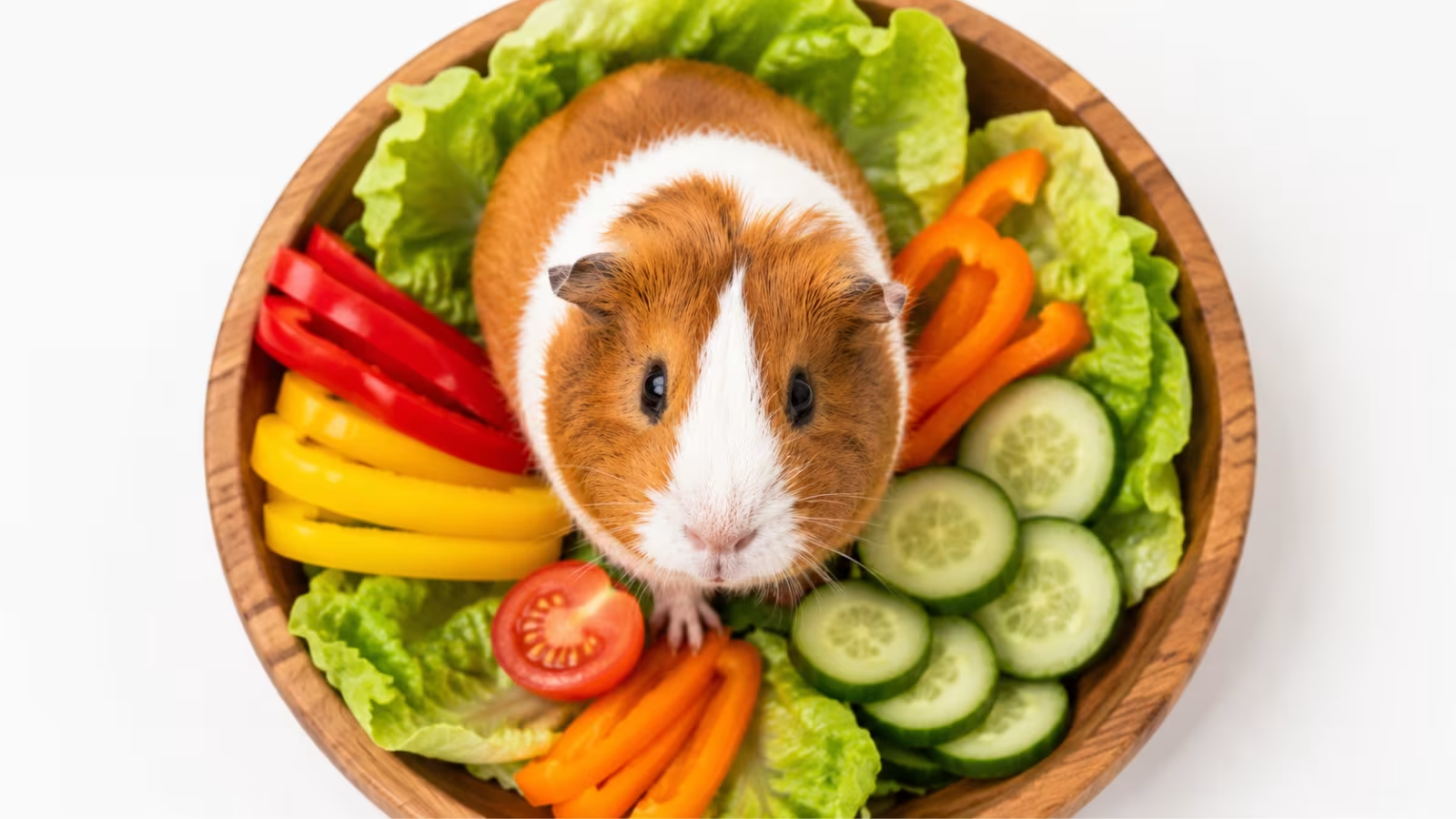
Tomatoes are best treated as one item in a rotating vegetable schedule rather than a regular staple. Rotating vegetables helps prevent nutritional imbalances, reduces the risk of overconsumption of any single compound, and gives your guinea pig more dietary interest and enrichment.
Good vegetable choices to pair with or rotate alongside tomatoes include:
- Bell peppers, especially red, yellow, and orange varieties
- Romaine lettuce
- Cilantro
- Cucumber
- Zucchini
- Parsley in modest amounts
- Endive
- Escarole
Bell peppers deserve a specific mention here. If you are using tomatoes primarily as a vitamin C source, bell peppers do that job more efficiently with less digestive risk.
What a Balanced Guinea Pig Diet Actually Looks Like
Understanding where tomatoes fit requires understanding what a guinea pig’s full diet should look like. Many owners underestimate how important hay is and how much of the diet it should represent.
Hay, specifically Timothy hay for adult guinea pigs, should make up around 80% of the total diet. Hay is not just food. It supports digestive health, keeps the gut moving, maintains healthy teeth by providing constant grinding material, and sustains the beneficial bacteria in a guinea pig’s hindgut.
A guinea pig that is not eating enough hay is a guinea pig at risk of serious health problems over time.
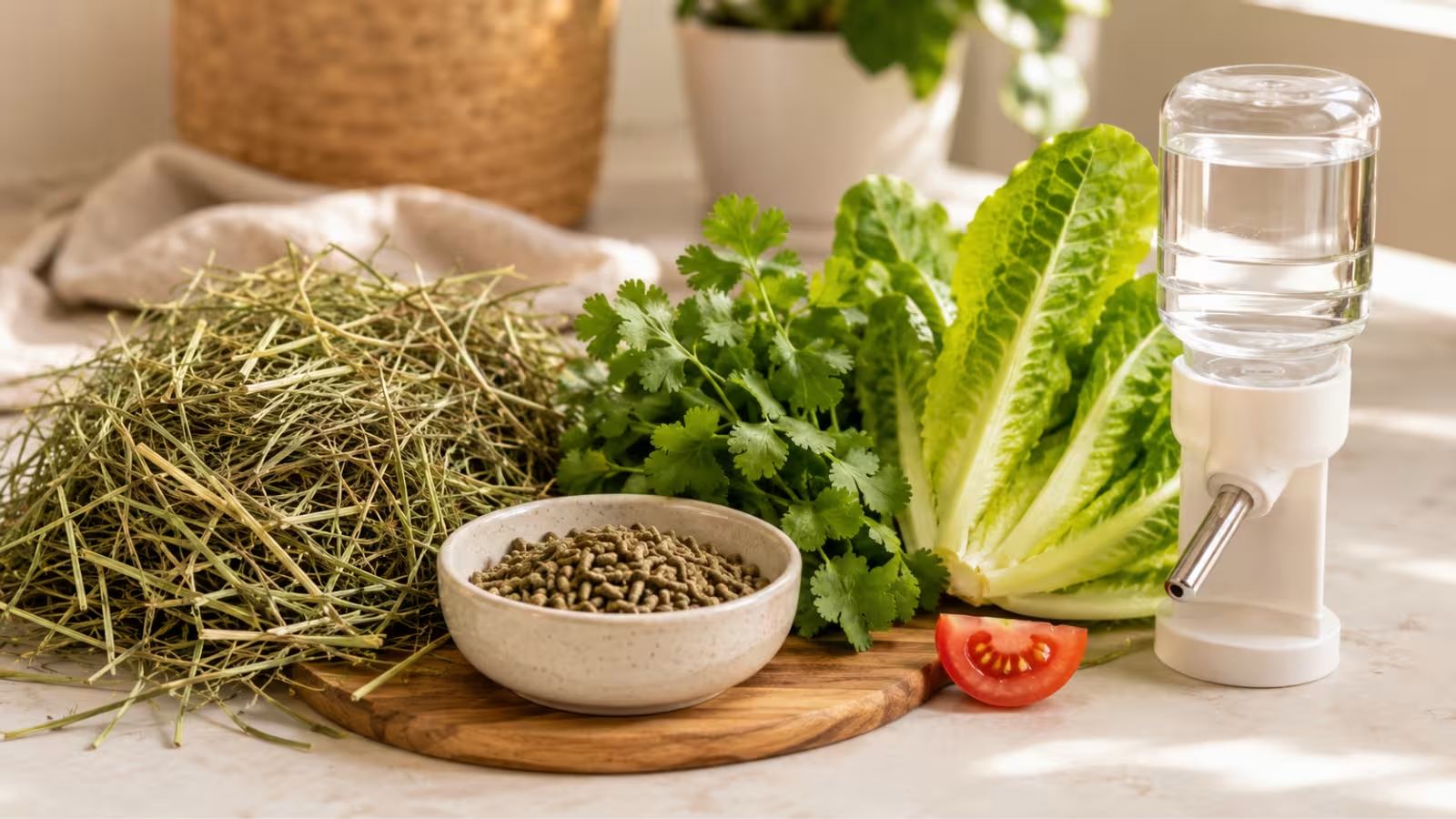
Fresh vegetables should be offered daily, with the focus on leafy greens rather than high-sugar or high-acid options. A good daily serving is roughly one cup of mixed greens per guinea pig.
High-quality plain pellets, such as those from Oxbow, Small Pet Select, or Sherwood, provide supplemental nutrition and should be offered in measured amounts rather than free-fed, since overeating pellets can reduce hay consumption.
Fresh water should always be available, changed daily, in a clean bottle or bowl.
Tomatoes and other treats fit into the small remaining space in this dietary framework. They are extras, not foundations.
Are Tomatoes Better Than Other Fruits for Guinea Pigs?
Tomatoes are botanically a fruit, but in guinea pig nutrition discussions, they are usually treated more like a vegetable because their sugar content is lower than most fruits.
Compared to bananas, grapes, or mango, tomatoes are relatively modest in sugar, which makes them a more suitable occasional treat.
However, tomatoes are considerably more acidic than most leafy vegetables and many other fruits. This acidity is the main reason to keep servings small.
Low-acid options like cucumber, zucchini, or lettuce are gentler on the digestive system for daily feeding. Tomatoes land somewhere in the middle of the fruit-versus-vegetable treat spectrum: better than high-sugar fruits, but not as easy on the gut as mild leafy greens.
What About Cooked Tomatoes or Tomato Products?
Cooked tomatoes are not appropriate for guinea pigs. The cooking process concentrates sugars and acids, and cooked tomato products almost always contain salt, oil, garlic, onion, or other seasonings that are harmful to small animals.
The following tomato products should be avoided:
- Canned tomatoes
- Tomato sauce
- Tomato paste
- Sun-dried tomatoes
- Ketchup
- Tomato juice
Tomato juice should be avoided because it is highly concentrated, often high in sodium, and far too acidic to be safe. Fresh water is the only drink guinea pigs need.
Simple rule: Only fresh, raw, ripe tomato is appropriate for guinea pigs.
Foods Guinea Pigs Should Never Eat
While we are on the topic of safety, it is worth knowing which foods are genuinely dangerous beyond tomato plant material. Some mistakes happen because owners assume that healthy human foods are automatically safe for pets.
Never feed guinea pigs:
- Onion
- Garlic
- Leeks
- Chives
- Potato or potato leaves
- Avocado
- Chocolate
- Caffeine
- Dairy products
- Meat
- Rhubarb
- Mushrooms
- Iceberg lettuce
This list is not exhaustive. Before introducing any new food, check a reliable source specific to guinea pig nutrition rather than assuming that human-safe means guinea-pig-safe.
Common Mistakes When Feeding Tomatoes to Guinea Pigs
Most tomato-related problems come down to a handful of recurring mistakes that are easy to avoid once you know what they are.
Feeding tomatoes too frequently is the most common error. Owners see their guinea pig enjoy a slice and start offering tomatoes every day. The digestive consequences usually appear within a week or two in the form of consistently soft droppings.
Leaving the stem attached when cutting tomato slices is another frequent issue. Even a small bit of green stem material contains compounds you do not want your guinea pig eating.
Some owners feed green or partially ripe tomatoes without realizing these are significantly more problematic than fully ripe ones. The more green in the tomato, the higher the tomatine content. Only deep red, fully ripe tomatoes should be offered.
Ignoring early digestive signals is also a problem. A guinea pig that produces slightly softer droppings after eating tomatoes is telling you something.
Finally, offering too many treat foods at once, such as tomato alongside fruit and other sugary vegetables in the same feeding, creates a cumulative sugar and acid load that the digestive system struggles to handle.
When to Contact a Veterinarian
Guinea pigs are stoic animals. By the time visible symptoms appear, a health problem may already be progressing.
If you notice any of the following after your guinea pig has eaten tomatoes or any new food, do not delay in seeking veterinary care:
- Persistent diarrhea or watery droppings lasting more than 24 hours
- Complete refusal to eat or drink
- Severe lethargy or inability to move normally
- Visible bloating or a distended abdomen
- Rapid or unexplained weight loss
- Difficulty breathing
- Obvious mouth pain, such as drooling, pawing at the face, or reluctance to chew
An exotic animal veterinarian or a vet with small animal experience is the right choice for guinea pig health concerns. General dog-and-cat practices may have limited experience with guinea pig physiology and the specific conditions that affect them.
FAQ Section: Questions You Might Have
No. Tomatoes should be offered one to two times per week at most. Daily feeding increases acid exposure and often leads to loose droppings or digestive upset over time.
Yes. Half a ripe cherry tomato, washed and cut into pieces with the stem cap removed, is an appropriate serving size.
No. Green tomatoes contain significantly higher levels of solanine and tomatine, compounds that are toxic to guinea pigs. Only fully ripe red tomatoes should be offered.
No. Tomato leaves, stems, vines, and flowers are all toxic and should never be accessible to guinea pigs.
Most likely the portion was too large, the tomato was introduced too suddenly, or the guinea pig has a naturally more sensitive digestive system. Remove tomatoes from the diet temporarily and focus on hay and gentle greens.
No. Both contain concentrated acids, sodium, and often seasonings or additives that are unsuitable for guinea pigs. Only fresh, raw, ripe tomato is appropriate.
In small portions and as an occasional treat, yes. They provide vitamin C, hydration, and dietary variety. They are not a superfood for guinea pigs, but they are a reasonable treat when used correctly.
Bell peppers, romaine lettuce, cilantro, cucumber, zucchini, and endive are all gentler on the digestive system and more suitable for daily rotation.
Watch for soft or watery droppings, reduced hay consumption, lethargy, drooling, or mouth sensitivity. These are the most common signs that tomato quantity needs to be reduced.
Conclusion
Tomatoes are a perfectly fine occasional treat for guinea pigs when handled correctly. Ripe flesh, clean skin, and seeds are all safe in small amounts. The vitamin C content, hydration, and dietary variety they offer make them a reasonable addition to a rotating vegetable schedule.
The real risks come from overfeeding, feeding the wrong parts of the plant, or offering unripe tomatoes. Keep portions small, feed no more than twice a week, remove all stem and leaf material, and always wash thoroughly before serving.
A guinea pig that eats mostly hay, drinks clean water, gets fresh leafy greens daily, and receives occasional treats like a small tomato slice is a guinea pig with a genuinely healthy diet.
The fundamentals are simpler than they might seem at first. Get those right, and tomato feeding becomes a completely manageable and enjoyable part of caring for your pet.