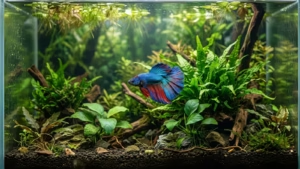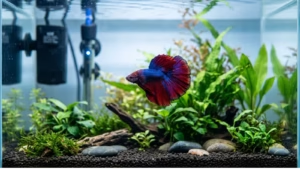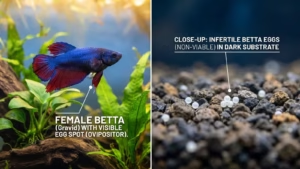

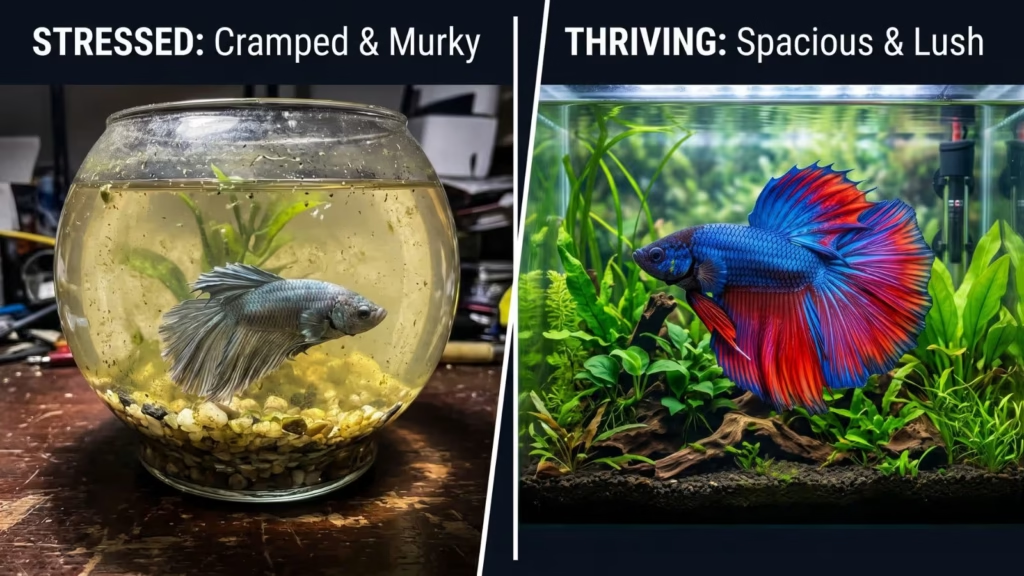
The question isn’t whether your bettas can live together, it’s whether you’re prepared for when they inevitably fight. Let’s talk about what actually works.
Quick Answer: Can Multiple Betta Fish Live Together?
The Short Answer Most Owners Need Immediately
No. Not reliably, anyway.
A single male betta in his own tank is the safest, most stress-free setup. Female bettas might live together in a sorority under very specific conditions, but even that requires experience, constant monitoring, and realistic expectations about failure.
If you’re asking this question, you probably already own a betta and are considering adding another. Before you do, understand this: bettas didn’t earn the nickname “Siamese fighting fish” because they’re social creatures.
Why Bettas Are Naturally Territorial
Your betta isn’t being aggressive because he’s a jerk. He’s being a betta.
These fish evolved in shallow Southeast Asian waters where males patrol small territories and defend them fiercely. In the wild, a betta’s survival depends on claiming and holding space. Other males mean competition for food, mates, and shelter.
That instinct doesn’t disappear just because you own him.
When Multiple Bettas Might Work
Female bettas living together (called a sorority) can work under these conditions:
- Tank size is 20+ gallons for 4–6 females
- Tank is heavily planted with hiding spaces
- All females are added simultaneously as juveniles
- Daily monitoring happens without fail
- Backup tank is ready for emergency separation
- Water parameters stay pristine
Even then, success isn’t guaranteed.
Situations Where It Usually Fails
Cohabitation fails when:
- Tank is under 20 gallons
- Bettas are added at different times
- Aggression is ignored early on
- Water quality becomes unstable
- Owner assumes “they’ll get used to it”
- No backup tank exists for separation
Most failed attempts happen because owners underestimate how serious betta aggression becomes.
Quick Beginner Rule: Should You Try It?
If you’re new to fishkeeping, skip it.
Get a single betta in a 5-gallon minimum (10 gallons is better). Learn how to maintain water quality, recognize normal behavior, and handle your one fish well. Once you’ve got that dialed in, then consider more advanced setups.
Beginners trying sororities often end up with injured fish and guilty consciences. It’s not worth it.
Why Betta Fish Fight: Understanding Their Natural Behavior
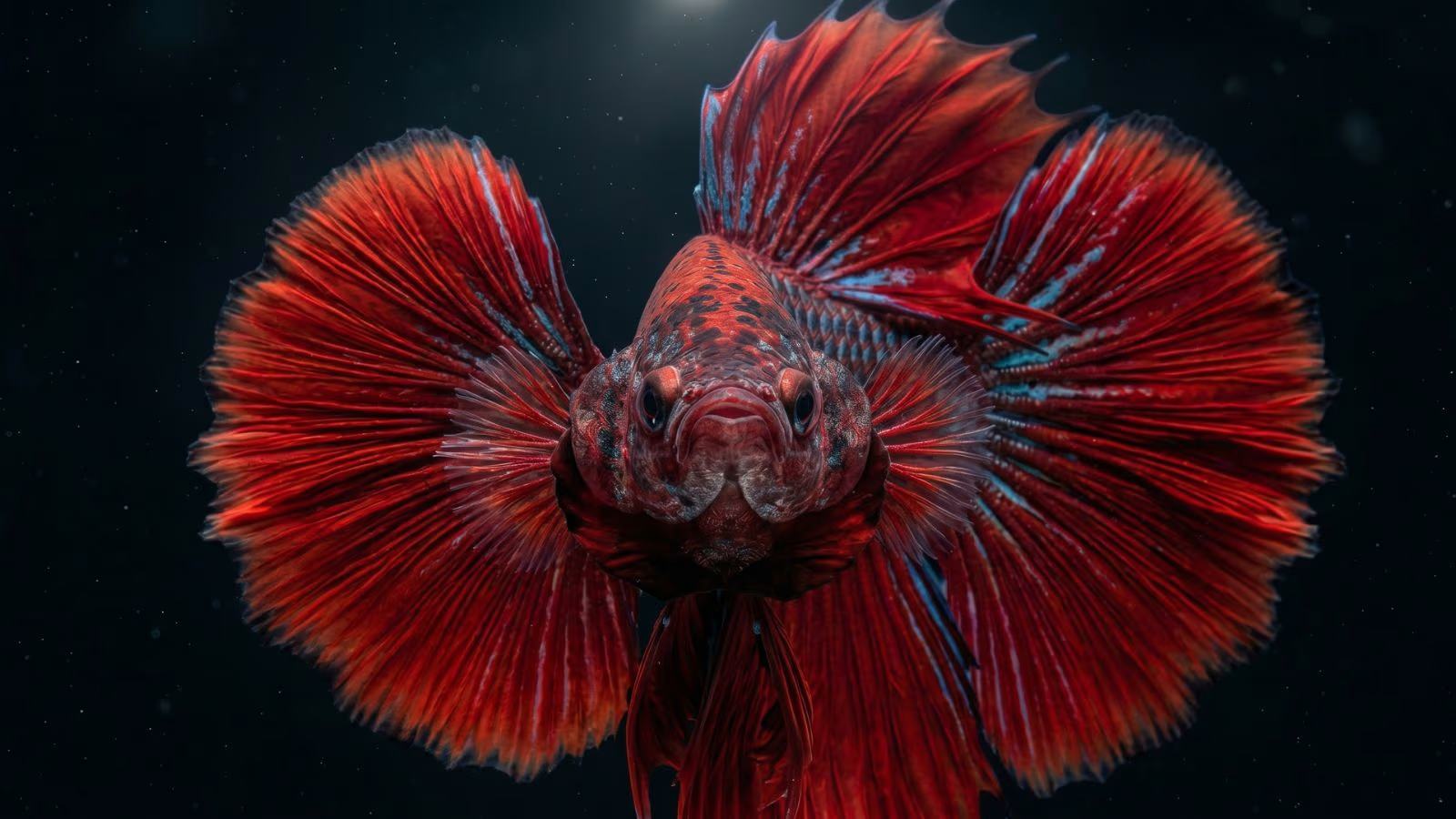
A male betta in full flare shows why these fish earned the ‘Siamese fighting fish’ nickname. This display is hardwired biology, not learned behavior—it’s an instinct that doesn’t disappear in captivity.
Siamese Fighting Fish Biology Explained
Bettas are Betta splendens—a species with aggression literally built into their DNA.
Wild-caught males fight to establish and defend territories. Captive-bred males carry those same instincts. No amount of tank size or decorations removes that biological wiring.
Female bettas aren’t harmless either. They’re territorial too, just usually less obviously so.
Understanding Betta splendens Temperament
Individual betta personality matters more than people realize.
Some males are chill, others are fire-breathing barbarians. Some females are docile, others will shred any fish they see. Genetics, early environment, and individual stress levels all influence how aggressive a specific fish becomes.
You can’t predict temperament perfectly. That’s why experienced keepers still have backup tanks ready.
Why Bettas Prefer Solitary Living
A healthy, solitary betta shows:
- Bright colors (not stress-faded)
- Regular eating
- Active exploration
- Responsive behavior
- No torn fins
Remove the stress of cohabitation, and your betta thrives. This isn’t cruelty—it’s matching the environment to the fish’s natural needs.
Territorial Aggression: Why It Happens
Territorial aggression triggers when a betta perceives a threat in his space.
Another fish = threat. That’s the calculation his brain makes. It doesn’t matter if they’re the same sex, opposite sex, or completely different species. If the other fish trigger his territorial instinct, conflict follows.
The bigger the perceived threat, the faster and harder he fights.
Normal vs Abnormal Betta Behavior
Normal territorial behavior
A betta flaring at his reflection or displaying briefly when you introduce a new tank decoration is normal. Short chasing or mild fin flaring during feeding time happens.
Bettas establishing dominance with occasional displays is expected behavior.
Early warning signs of aggression
Constant hiding. Refusing food. Torn fins from fighting. Rapid gill flaring at tank mates.
One fish cornering another. Aggressive chasing that doesn’t stop. These signal real problems developing.
Dangerous stress signals
Extreme lethargy. Complete appetite loss. Color fading. Constant clamped fins.
Physical injuries including torn gills or deep wounds. Gasping at the surface. These mean separation is overdue.
| Behavior | Normal? | What It Means |
|---|---|---|
| Flaring at reflection | Yes | Display behavior |
| Brief chasing during feeding | Yes | Dominance assertion |
| Occasional fin flaring | Yes | Territorial claim |
| Constant hiding | No | Stress or illness |
| Refusal to eat | No | Serious stress/illness |
| Torn fins with fresh blood | No | Active fighting |
| Color fading/paleness | No | Chronic stress |
| Clamped fins all day | No | Extreme stress |
| Gasping at surface | No | Water quality or injury |
How experienced fishkeepers interpret aggression
I watch for escalation patterns. A display is just communication. Actual fighting is when one fish starts losing fin pieces or bleeding.
Real danger shows up as behavioral change—sudden hiding, appetite loss, or the weaker fish becoming submissive and staying in one corner. Once that hierarchy locks in, the subordinate fish is chronically stressed and will eventually sicken.
The key is catching problems before they hit that point.
Male vs Female Betta Compatibility
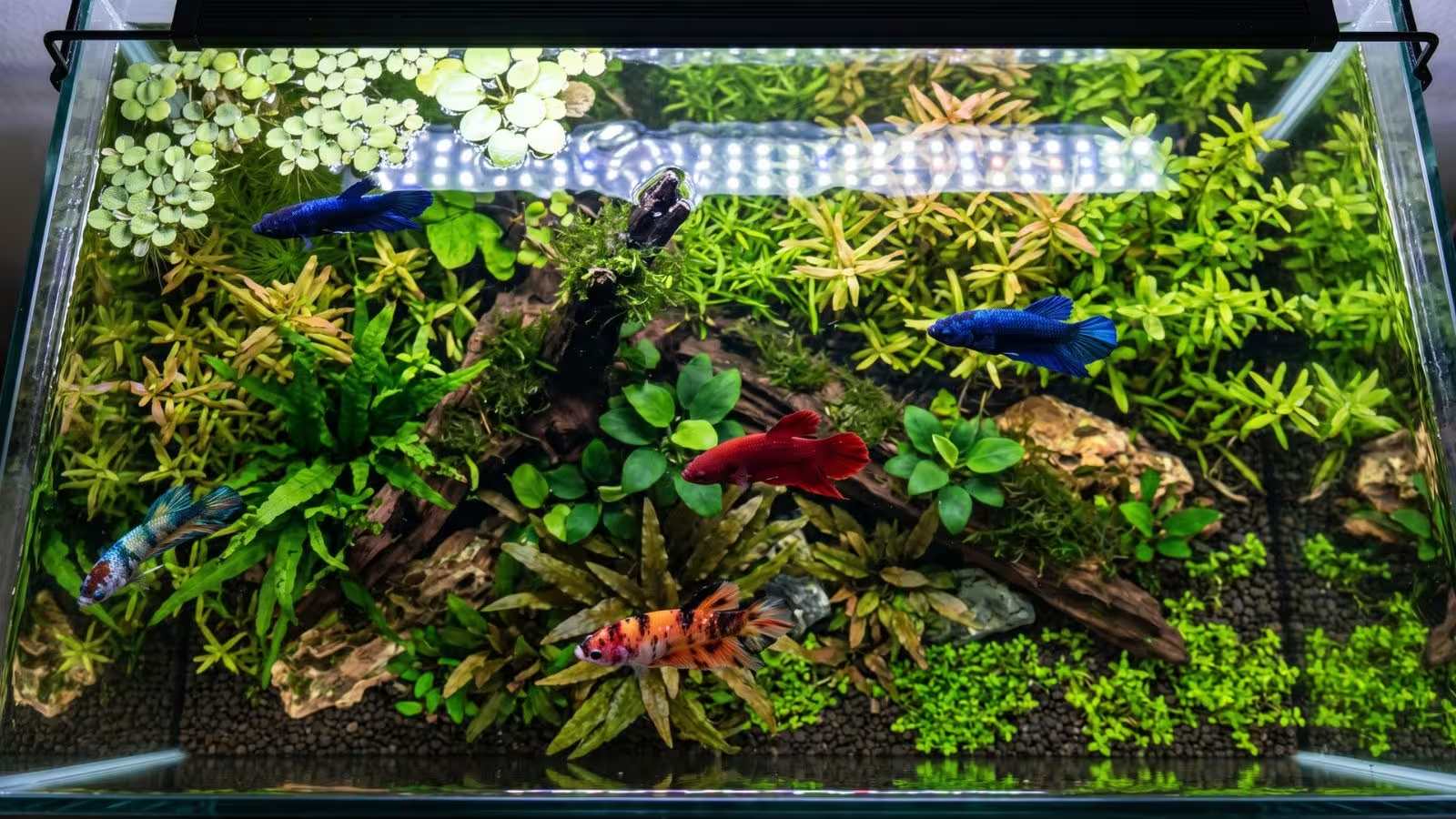
A well-designed sorority tank uses plants, caves, and visual barriers to create separate territories. Notice how each female occupies a different zone—this spatial separation is essential for minimizing constant confrontation.
Can Two Male Bettas Live Together?
Why male bettas almost always fight
Two males in one tank will fight. Period.
This isn’t opinion—it’s observed behavior across thousands of aquariums. Males view other males as direct competition. There’s no “getting along” phase that leads to friendship. There’s escalating aggression that ends with one or both fish dead.
Bettas have been selectively bred for hundreds of years specifically for fighting males. That genetic predisposition is deeply embedded.
Long-term risks of forced cohabitation
If you somehow force two males into one tank and they stop fighting visibly, that’s not peace. That’s learned helplessness.
The subordinate male is living in constant fear. His immune system tanks from chronic stress. He stops eating properly. Fin rot or other infections follow within weeks or months.
You might think you’ve won because there’s no visible fighting. You’ve actually created a slow, invisible decline.
Can Male and Female Bettas Live Together?
Temporary breeding setups
A male and female can live together temporarily during breeding. This is done in controlled breeder setups specifically for spawning.
Within hours or days after spawning, they separate. The female gets moved to her own tank immediately. The male guards the eggs/fry alone.
This is temporary by design, not a permanent housing solution.
Why permanent cohabitation fails
A male and female together long-term creates constant stress.
The male’s breeding drive keeps him aggressive toward the female. The female lives in fear of being attacked if she’s not receptive to mating. Even if she’s into him initially, she can’t escape once aggression escalates.
Permanent male-female cohabitation almost always ends with a severely injured or dead female.
Can Female Bettas Live Together?
What a betta sorority actually is
A sorority is a group of female bettas (usually 4–6) living in one large tank together.
This only works if:
- Females are similar age/size
- All added simultaneously
- Tank is 20+ gallons with heavy planting
- Dominant female emerges without killing others
- No outside stress destabilizes the group
Even with perfect conditions, sororities remain experimental setups. Failure isn’t rare.
Why female bettas still fight
Females are territorial too. They just express it differently than males.
Instead of immediate, explosive fighting, females often establish hierarchy through aggressive displays, chasing, and fin nipping. A dominant female emerges, and subordinates learn to stay in certain areas.
If the hierarchy becomes unstable (new fish added, someone gets sick, water quality drops), fighting escalates quickly.
When sororities work vs fail
Sororities work when:
- Setup is absolutely dialed in
- Owner monitors constantly
- All fish are healthy and compatible
- Water parameters stay stable
- Hierarchy stays stable
They fail when:
- Owner gets complacent
- Any fish gets sick or injured
- New fish get added later
- Tank gets overstocked
- Owner confuses temporary peace for permanent safety
“Female bettas are peaceful.”
This is the myth that kills fish. Females absolutely fight. They’re just less immediately obvious about it than males. Chronic stress from constant harassment kills female bettas slowly while their owners believe the sorority is “working fine.”
Betta Sororities: Safe Setup or Risky Experiment?
What Is a Betta Sorority?
A betta sorority is a intentional group housing of multiple female bettas in one large aquarium.
It’s not the default way to keep bettas. It’s an advanced setup that requires significant experience, specific conditions, and acceptance that failure is possible.
Ethical Aquarium Standards for Sororities
Before attempting a sorority, accept that:
- Some fish will get injured
- Hierarchy can collapse suddenly
- You need backup tanks ready
- Daily observation is non-negotiable
- You’re taking a risk with your fish’s welfare
If you can’t commit to those realities, don’t do it.
Minimum Sorority Group Size
Never keep just two female bettas together. A pair almost always becomes one bully and one victim.
Minimum group size is 4–5 females. Odd numbers work better than even (less pairing up). Some keepers prefer 6 females to spread aggression across more fish.
If you want fewer than 4 females, keep them separately. Really.
Recommended Tank Size Requirements
20 gallons is the absolute minimum for 4 female bettas.
Better recommendations:
- 20 gallons for 4–5 females
- 30+ gallons for 6+ females
- More plant density = larger effective territory = less fighting
Every extra gallon matters. Tank volume directly impacts how much space each female can claim without constant confrontation.
Stocking Density and Group Dynamics
This is where most people mess up.
Proper female betta sororities need heavy planting, multiple hiding places, and visual breaks throughout the tank. You’re not just adding plants—you’re creating separate territories within one tank.
Stocking density isn’t just about how many fish per gallon. It’s about how many aggressive territories you can create and maintain.
Habitat Enrichment for Reduced Aggression
Plants and hiding places
Live plants (stem plants, Anubias, Marimo, Java fern) create visual barriers and resting spots.
Bettas also appreciate caves, driftwood, and solid decorations that break the line of sight. When a betta can’t see every other fish constantly, aggression stays lower.
Breaking lines of sight
Tank layout matters enormously. Arrange plants and decor so bettas can’t stare at each other across the tank.
Multiple “zones” with visual separation means each female can claim territory without watching potential rivals all day. This reduces stress hormones significantly.
Territory distribution
A good sorority tank has 4–6 distinct areas where a female can hide or hang out without constantly seeing other fish.
Think about density like this: if all 5 females congregate in the same plant cluster, you haven’t created enough separate territories. Spread resources out.
Behavioral Observation in Sororities
Dominance vs bullying
Dominance is normal. One female eats first, gets the best spot, swims through the group freely.
Bullying is relentless chasing, constant fin nipping, cornering one fish, preventing access to food. There’s a line between hierarchy and abuse.
Signs of unstable hierarchy
Sudden fighting after weeks of peace. A previously bullied fish suddenly acting aggressive. Multiple fish showing torn fins simultaneously. Rapid color fading.
Any of these signals that the group’s social structure is breaking down. Separation becomes urgent.
Sustainable Cohabitation: Can It Work Long Term?
Some sororities stay stable for years. Others collapse in months.
Factors that determine longevity:
- Initial temperament compatibility
- Tank maintenance consistency
- Water quality stability
- Health of all fish
- Owner’s willingness to separate if needed
Realistic outlook: even “successful” sororities require daily observation, consistent water changes, and the acceptance that things can destabilize without warning.
Should You Attempt a Betta Sorority?
- Do you have a 20+ gallon tank available?
- Do you have a backup tank ready for emergency separation?
- Can you test water parameters weekly and perform water changes consistently?
- Will you observe fish daily for aggression signs?
- Do you accept that failure is possible even with perfect setup?
- Have you kept bettas before and understand their behavior?
- Are you prepared to separate fish immediately if fighting escalates?
- Do you have veterinary resources if fish get injured?
If you checked fewer than 6 boxes, a sorority isn’t right for you. Keep your females separately instead.
Tank Size Requirements for Multiple Bettas
Why Tank Size Matters More Than Most Owners Think
Tank size directly controls aggression levels.
In a 5-gallon tank, two bettas can’t avoid each other. In a 20-gallon tank with heavy planting, they can claim separate territories and reduce confrontation.
Size doesn’t eliminate aggression—it just gives fish options to coexist with less constant stress.
Recommended Tank Sizes by Setup
Single male betta
5 gallons minimum. 10 gallons is significantly better.
A single male thrives in 5 gallons if water parameters stay stable and maintenance happens weekly. He’s healthier and more active in 10 gallons.
Female sorority tank
20 gallons minimum for 4–5 females. 30 gallons preferred.
This assumes heavy planting and proper enrichment. Without plants, increase by 5–10 gallons.
Divided betta tank
10 gallons total minimum, divided into 2 sections (5 gallons each).
More honestly: 15–20 gallons total divided into separate chambers is more humane. Divided tanks create stress from visual contact even with solid dividers.
Community aquarium
10+ gallons minimum depending on community species.
Betta plus peaceful community fish works better at 15–20+ gallons. Smaller tanks mean constant territorial tension.
How Small Tanks Increase Territorial Aggression
Small tanks force constant proximity. Your betta can’t escape his tank mate. Can’t claim territory without defending it constantly. Can’t rest without seeing a rival.
This chronic stress triggers aggression and weakens immune function. A betta in a small divided tank shows:
- Frequent flaring (stress response)
- Reduced appetite
- Faded coloration
- Torn fins from ramming the divider
Size matters more than most beginners realize.
Aquarium Divider Systems Explained
Solid divider vs perforated divider
A solid divider completely blocks visual contact. A perforated divider allows water flow but prevents physical contact.
Solid dividers reduce stress responses. Perforated dividers are easier to maintain but create more visible stress (constant flaring).
Pros and cons of divided tanks
Pros:
- Two bettas in one aquarium setup
- Shared filter and heating
- Space-efficient
Cons:
- Visual stress even with solid dividers
- Water circulation challenges
- One sick fish affects both
- Maintenance more complex
Water circulation considerations
Divided tanks must circulate water evenly to both sides. Uneven flow means one side has poor water quality while the other seems fine.
Use sponge filters or adjust hang-on-back filter output to ensure both sections get adequate circulation.
Visual stress issues
Even with solid dividers, bettas know another fish is there. Their cortisol levels stay elevated.
A betta in a truly solitary setup shows brighter colors and better appetite than a betta in a divided tank, even with perfect water parameters.
| Setup | Minimum Size | Better Size | Notes |
|---|---|---|---|
| Single male | 5 gallons | 10 gallons | Weekly 25% water changes at 5 gal |
| Single female | 5 gallons | 10 gallons | Same as male |
| Female sorority (4–5) | 20 gallons | 30 gallons | Requires heavy planting |
| Female sorority (6+) | 30 gallons | 40+ gallons | More space = lower aggression |
| Divided tank (2 males) | 10 gallons total | 20 gallons total | 5 gal per fish minimum |
| Betta + community | 10 gallons | 15–20+ gallons | Depends on community species |
Water Parameters for Keeping Multiple Bettas
Why Water Quality Matters More in Shared Tanks
A single betta tolerates imperfect water longer. Multiple bettas in one tank amplify stress from poor parameters.
More fish = higher bioload = faster ammonia buildup = faster stress. Stressed bettas fight harder and get sick easier.
Ideal Betta Water Parameters
Temperature
76–82°F (24–28°C). Bettas are tropical fish.
Never keep a betta in an unheated tank, even temporarily. Cold water slows metabolism and immune function, making stress impacts worse.
pH range
6.5–7.5 is ideal. Bettas tolerate 6.0–8.0, but extremes create stress.
Ammonia levels
0 ppm always. Any detectable ammonia is a problem.
Ammonia spikes cause fin rot, gill damage, and lethargy within days.
Nitrite levels
0 ppm. Like ammonia, any nitrite is harmful.
Nitrite binds to hemoglobin and prevents oxygen transport. Fish gasp and struggle even if water looks clear.
Nitrate levels
Below 40 ppm. Under 20 ppm is ideal.
High nitrates accumulate over weeks and months, contributing to chronic stress and illness.
How Poor Water Quality Increases Aggression
Stressed fish from poor parameters get more aggressive.
Ammonia burn makes gills itch. Nitrite makes fish uncomfortable. High nitrates cause slow lethargy. A fish already uncomfortable becomes more aggressive in response to tank mates.
What looks like “bad temperament” is often “bad water parameters.”
Understanding Bio-Load Management
Bio-load is the amount of waste (ammonia) fish produce.
One betta produces moderate bio-load. Five female bettas produce significant bio-load. Your filter and regular maintenance must handle that waste.
Filtration Capacity Requirements
Sponge filters
Sponge filters provide gentle filtration ideal for bettas. They don’t create strong currents that stress fish.
For sororities, use a sponge filter sized for your tank volume. A 20-gallon sorority needs an air pump strong enough to support adequate sponge filter filtration.
Hang-on-back filters
HOB filters work but create flow that stresses bettas.
Use the lowest flow setting possible. Baffles or pre-filter sponges reduce current strength.
Flow strength considerations
Bettas evolved in slow-moving water. Strong filter flow tires them and causes stress.
Aim for gentle circulation—water movement but not strong currents. Your betta shouldn’t struggle against the flow.
The Nitrogen Cycle and Why It Matters
Cycling before adding fish
The nitrogen cycle converts ammonia (fish waste) → nitrite (bacteria process) → nitrate (safer form).
Never add fish to an uncycled tank. Ammonia spikes will kill them or cause severe illness.
Cycle your tank first:
- Add ammonia source (fish waste or pure ammonia)
- Wait 3–4 weeks for bacteria colonies to establish
- Test daily until ammonia and nitrite stay at 0 ppm
- Then add fish
Common beginner cycling mistakes
Adding fish before cycling is complete. Not testing water during cycling. Doing massive water changes during cycling (kills developing bacteria).
These mistakes create spikes that stress or kill fish.
Water Quality Testing Routine
How often to test water
For established tanks: weekly testing of ammonia, nitrite, nitrate, pH.
For new tanks: daily testing until cycled, then weekly for the first month.
For sororities: twice weekly. Multiple fish mean higher bioload = faster parameter changes.
What parameters matter most
In order of importance:
- Ammonia (0 ppm always)
- Temperature (76–82°F)
- Nitrite (0 ppm)
- Nitrate (below 40 ppm)
| Parameter | Ideal | Acceptable | Critical Issue |
|---|---|---|---|
| Temperature | 78–80°F | 76–82°F | Below 76°F or above 82°F |
| pH | 6.8–7.0 | 6.5–7.5 | Extreme swings more dangerous than numbers |
| Ammonia | 0 ppm | 0 ppm | Any detectable ammonia |
| Nitrite | 0 ppm | 0 ppm | Any detectable nitrite |
| Nitrate | 10–20 ppm | Below 40 ppm | Above 60 ppm creates chronic stress |
Why unstable water chemistry increases stress
I’ve seen more aggression issues caused by poor water parameters than bad temperament. Ammonia spikes make fish irritable. Temperature swings trigger immune suppression. Nitrite causes physical discomfort.
A betta in pristine water is calmer, healthier, and less likely to fight.
Conspecific Aggression in Bettas
What Is Conspecific Aggression?
Conspecific aggression is aggression between members of the same species.
In bettas, this means fish attacking other bettas—not guppies or tetras, but other bettas.
It’s hardwired into their biology.
Why Bettas Attack Their Own Species
Other bettas trigger the strongest territorial response in a betta’s brain.
A different species (like a guppy) might trigger some aggression. Another betta triggers maximum aggression. It’s the same species = same competitor for resources.
Common Signs of Aggression
Flaring
Spreading gill plates wide. Usually a display of strength.
Flaring occasionally is normal. Constant flaring is stress.
Chasing
One fish pursuing another repeatedly.
Brief chasing during dominance is normal. Relentless chasing is dangerous.
Fin nipping
Small nips to fins, usually from a dominant fish harassing a subordinate.
Fresh bite marks or tears = active aggression happening.
Food bullying
One fish preventing others from eating. Attacking at feeding time.
This gradually starves subordinate fish and causes severe stress.
Cornering weaker fish
A dominant fish forcing a weaker one into one area of the tank, preventing escape.
This is pure intimidation and creates chronic stress in the subordinate fish.
What Is Normal vs Dangerous Fighting?
Normal: Brief display. One fish backs down. No bleeding. Activity resumes normally.
Dangerous: Relentless chasing. Visible bites. Torn or bleeding fins. One fish hiding constantly. Loss of appetite.
How Aggression Escalates Over Time
Aggression doesn’t stay at one level.
Stage 1 (Week 1–2): Displays and brief chasing. Looks like they might work out.
Stage 2 (Week 2–4): Increased chasing. Occasional nips. Fins show small tears.
Stage 3 (Week 4+): One fish clearly dominant, other hiding. Subordinate stops eating. Visible injuries.
Stage 4: Severe fighting, deep wounds, potential death.
Most people wait too long to separate. They assume Stage 1 or 2 behavior means the fish will eventually settle. By the time they separate, one fish is already chronically stressed and immunocompromised.
| Behavior | Timeline | Risk Level | Action |
|---|---|---|---|
| Brief flaring | Occasional | Low | Monitor |
| Display chasing | Seconds | Low | Normal hierarchy building |
| Fin nips with no tears | Rare | Low-Medium | Increase hiding spots |
| Daily chasing episodes | Regular | Medium | Watch closely daily |
| Cornering one fish | Frequent | High | Separate immediately |
| Fresh torn fins/bleeding | Any time | High | Separate immediately |
| Constant hiding | Daily | High | Separate immediately |
| Appetite loss | Days | Critical | Separate and quarantine |
Stress-Related Illness in Shared Betta Tanks
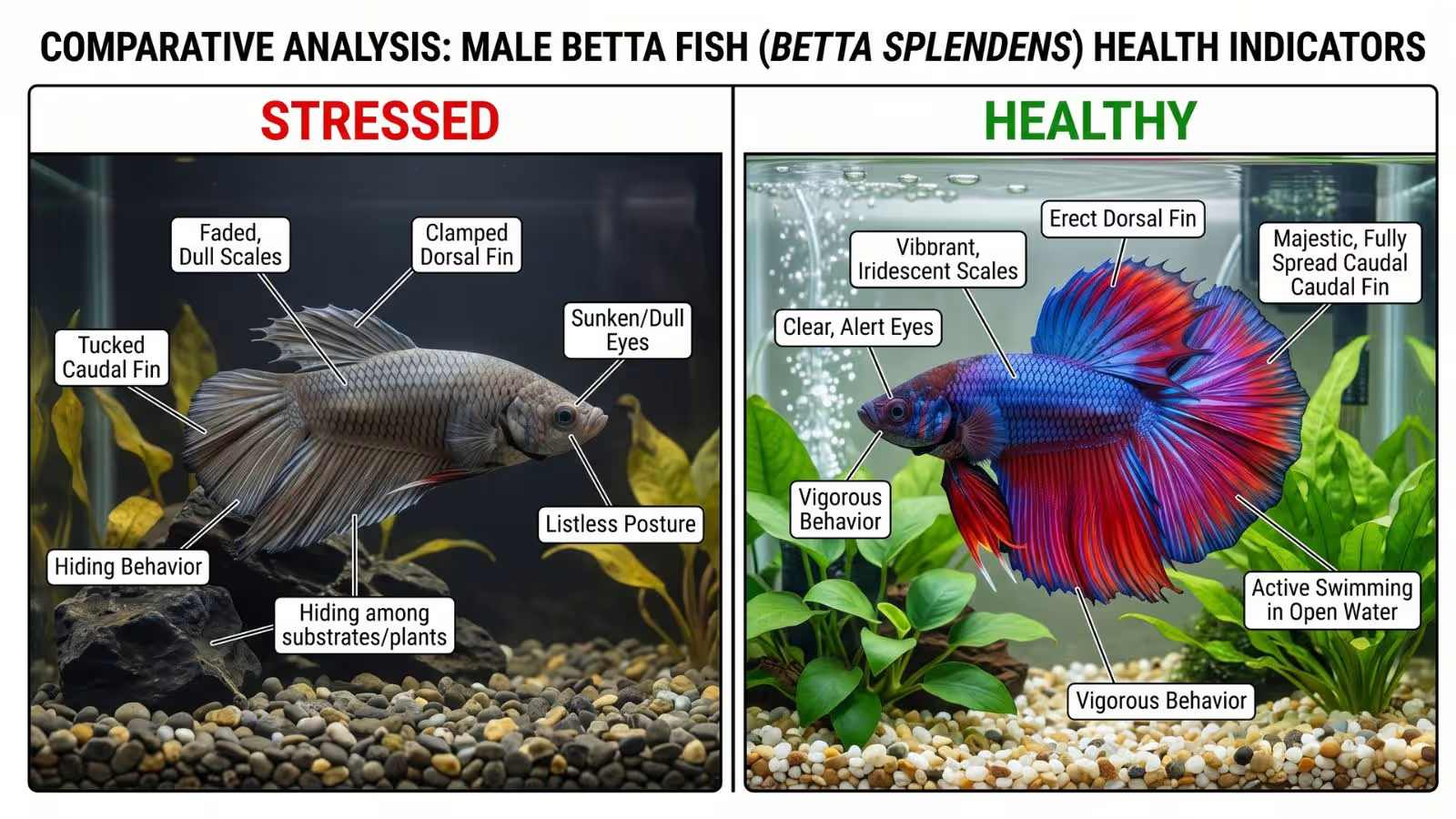
Left: Telltale stress signs include clamped fins, faded colors, and reduced activity. Right: A healthy betta shows vibrant coloration, open fins, and alert behavior. Learning to spot these differences prevents health disasters.
How Stress Weakens the Immune System
Chronic stress from cohabitation suppresses immune function.
A stressed betta produces cortisol (stress hormone) continuously. Elevated cortisol weakens disease resistance, slows healing, and makes secondary infections more likely.
A stressed fish catches illnesses that a calm fish fights off easily.
Common Illnesses Triggered by Chronic Stress
Fin rot
Bacterial infection that eats away fin tissue, starting at edges.
Stress + poor water quality = fin rot in days. Stressed bettas in shared tanks develop this frequently.
Secondary infections
Stress opens the door. Then fungi or bacteria move in.
A betta handles minor water quality dips fine when calm. When stressed and fighting, the same dip causes infection.
Lethargy
The fish just stops moving. Sits on the bottom. Barely responds.
Often the first visible sign that stress has become dangerous.
Appetite loss
Refuses food even when hungry.
One of the most reliable stress indicators. A betta who stops eating is seriously distressed.
Color fading
Bright coloration fades to dull grey or pale.
Stress hormones literally change pigmentation. A fading betta is suffering.
Stress Indicators Every Owner Should Watch
Clamped fins
Fins pressed tight against the body instead of relaxed.
A calm betta has open, relaxed fins. A stressed betta clamps them in.
Hiding excessively
Spending most of the day in one hiding spot, barely moving.
Active bettas explore and interact. Hiding constantly = serious stress or illness.
Surface gasping
Fish at the surface, mouth open, seemingly struggling for air.
Can indicate poor oxygenation OR behavioral stress (anxiety).
Loss of appetite
Most reliable stress indicator.
Illness, stress, and injury all show up as appetite loss within days.
Sudden behavior changes
A normally active fish becoming lethargic. A normally bold fish becoming shy.
Any sudden change in behavior warrants investigation.
Long-Term Health Risks of Failed Cohabitation
Fish that survive failed cohabitation often experience:
- Stunted growth
- Shortened lifespan (2 years instead of 4–5)
- Recurring illness throughout life
- Behavioral trauma (extreme shyness or aggression even alone)
- Poor quality of life even after separation
| Indicator | Healthy Betta | Stressed Betta |
|---|---|---|
| Activity level | Active, explores regularly | Hiding, lethargic |
| Appetite | Eats eagerly at feeding time | Refuses food or eats minimally |
| Color | Bright, vibrant | Faded, pale, loss of pattern |
| Fins | Open and relaxed | Clamped against body |
| Gill rate | Normal, steady breathing | Rapid gasping or irregular |
| Behavior toward tank mates | Mild displays | Constant chasing or cowering |
| Responsiveness | Reacts to movement outside tank | Ignores stimuli |
| Fin condition | Whole, clean edges | Torn, ragged, bloody |
How to Introduce Multiple Betta Fish Safely
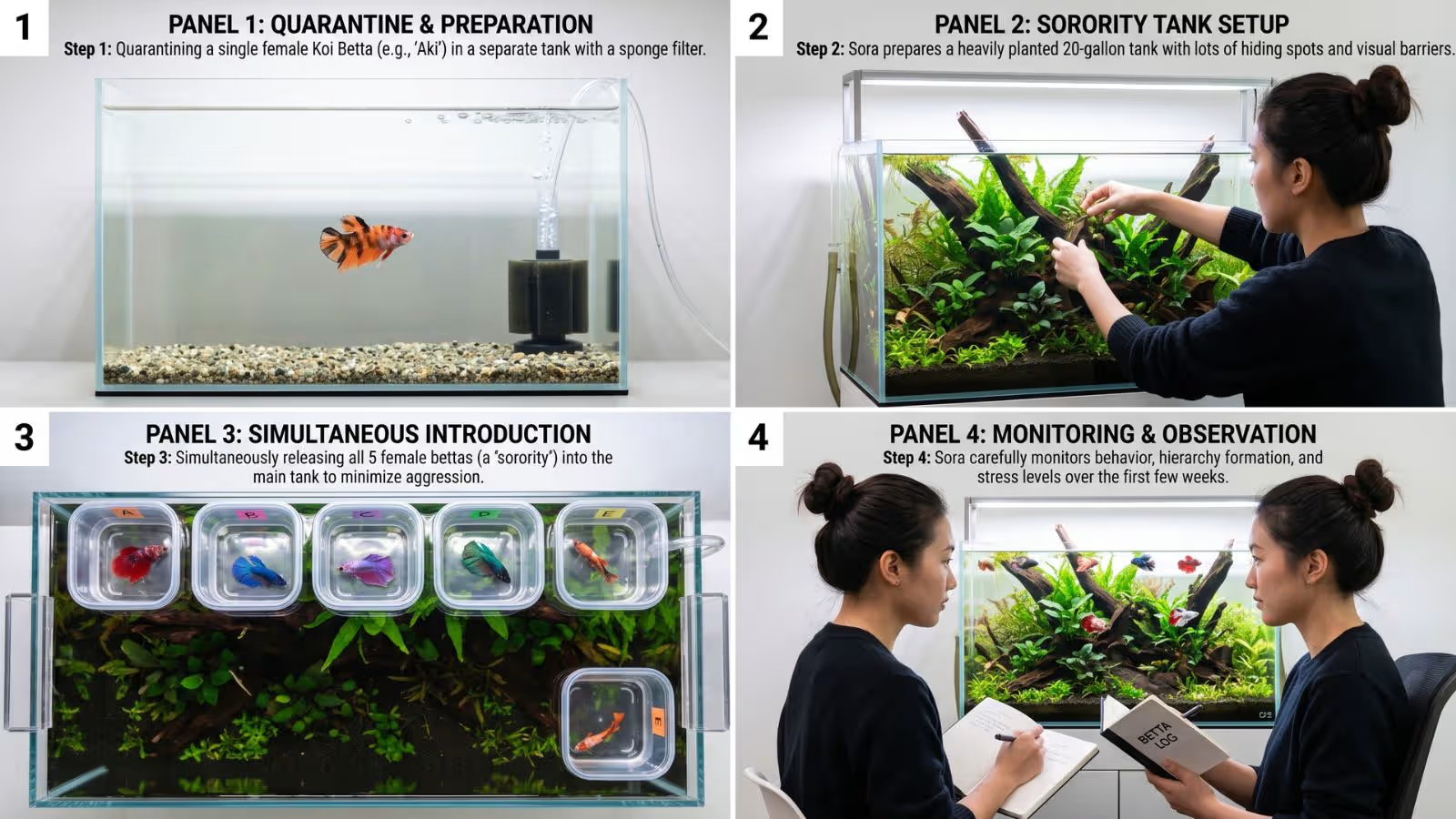
Proper introduction requires quarantine first (Step 1), environmental preparation (Step 2), simultaneous release (Step 3), and daily observation (Step 4). Rushing any step increases aggression and failure risk significantly.
Quarantine Procedures Before Introduction
Why quarantine matters
New fish can carry diseases. Even captive-bred bettas from pet stores may carry parasites or bacteria.
Quarantine prevents introducing illness to your main tank.
Recommended quarantine period
Minimum 2 weeks. Better: 4 weeks.
Watch for signs of disease, parasites, or injury. Only move to the main tank after confirming the fish is healthy.
Preparing the Aquarium Properly
Rearranging decor
Before adding new bettas, completely rearrange the tank.
Move plants, caves, and decorations to new positions. This erases the previous resident’s territorial familiarity and gives all fish a “fresh start.”
Adding hiding places
Install extra plants, caves, and decorations creating 4–6 distinct territories.
Bettas need places to retreat and establish zones.
Habitat enrichment techniques
Java fern, Anubias, and stem plants provide visual breaks and resting spots.
Driftwood, PVC pipes, and caves offer hiding areas. The more enrichment, the lower the baseline aggression.
Breaking visual territory lines
Arrange plants so bettas can’t see each other across the tank.
Create “zones” where each betta can’t see all the others simultaneously. Reduces visual confrontation stress.
Step-by-Step Introduction Process
Step 1: Fully cycle the tank
Never introduce fish to an uncycled tank.
Complete nitrogen cycle first (3–4 weeks minimum). Ammonia and nitrite at 0 ppm before adding any fish.
Step 2: Quarantine all fish
Keep new fish separate for 2–4 weeks minimum.
Watch for disease signs. Only combine once all fish are confirmed healthy.
Step 3: Add visual barriers
Install solid dividers or increased plants creating separate zones.
Begin with some visual separation. Gradually increase visibility as fish seem comfortable.
Step 4: Introduce fish simultaneously
Add all fish at the same time, not one by one.
Adding new fish to an established resident triggers stronger aggression. Adding all fish simultaneously spreads aggression across multiple fish instead of focusing on one newcomer.
Step 5: Observe behavior closely
First 24 hours: watch for immediate violence.
First week: daily observation for escalating aggression.
First month: daily checks for signs of hierarchy breakdown.
Step 6: Feed strategically
Feed in separate areas of the tank.
Put food on opposite sides so dominant fish can’t prevent others from eating. Prevents food bullying.
Step 7: Monitor daily
Check daily for torn fins, hiding, appetite loss, or color changes.
Any sign of dangerous aggression = separate immediately.
Safe Betta Introduction Process
- Cycle tank completely (ammonia/nitrite = 0)
- Quarantine all bettas (4 weeks minimum)
- Prepare enriched tank (plants, caves, zones)
- Add all bettas simultaneously (not one by one)
- Observe first 24 hours (watch for violence)
- Monitor daily (look for early aggression signs)
- Be ready to separate (backup tank on standby)
Emergency Separation: What To Do If Bettas Fight
Signs You Must Separate Bettas Immediately
Torn fins
Any visible tears or bleeding = separate now.
Don’t wait to see if “they’ll work it out.” They won’t. Separate immediately.
Relentless chasing
One fish pursuing another non-stop for hours.
This isn’t dominance establishing. This is injury in progress.
Refusal to eat
If a fish stops eating within days of introduction, separation is overdue.
Hiding constantly
A fish staying in one corner all day is suffering.
Physical injury
Visible bites, torn gills, bleeding, open wounds = emergency.
Emergency Separation Methods
Temporary divider setup
Insert a solid divider to create two separate chambers.
Both fish get immediate space. Water parameters stay linked (still one tank system). But visual/physical stress drops dramatically.
Hospital tank option
Move the subordinate (or most injured) fish to a separate tank immediately.
Better than dividing because no visual stress. Requires having a backup tank ready.
Backup aquarium strategy
Any serious multi-betta setup needs a backup 5–10 gallon tank ready.
Don’t wait for emergencies to happen. Have your backup tank cycled and available before you introduce multiple fish.
Injury Monitoring After a Fight
Signs of infection
Swollen or discolored bite marks. Cloudy eyes. Spots on the body.
These indicate secondary infection developing.
Healing timeline
Small fin tears: 1–2 weeks with good water quality.
Bite wounds: 2–4 weeks depending on depth.
Severe injuries may never fully heal. Scarring is common.
Water quality during recovery
Increase water change frequency to 30% every 2–3 days.
Injured fish need pristine parameters to fight infection. Daily observation for infection signs.
Quarantine Procedures After Aggression
Move the separated fish to a quiet hospital tank.
Keep water temperature at 78–80°F. Do daily 25% water changes. Monitor appetite and injury healing.
Watch for infection signs (cloudiness, spots, lethargy, appetite loss).
Consider antibacterial medication if bites show infection signs (consult a vet or experienced aquarist first).
Emergency Betta Fight Action Plan
- Separate immediately if you see torn fins, relentless chasing, or refusal to eat
- Move weaker/injured fish to backup tank or divide main tank
- Check for visible injury (bites, torn gills, bleeding)
- Increase water changes (30% every 2–3 days during recovery)
- Monitor daily for infection signs
- Keep separation permanent unless absolutely certain they’ll coexist peacefully
- Assess water parameters (stress often indicates poor water quality)
Better Alternatives to Keeping Multiple Bettas Together
Compatible Community Fish for Bettas
Peaceful species options
- Corydoras catfish (bottom feeders, ignore bettas)
- Kuhli loaches (hide most of the time)
- Small tetras in groups (shimmering schools less likely to trigger aggression)
- Snails and shrimp (bettas usually ignore them)
Fish species to avoid
- Guppies (flowing tails trigger betta aggression)
- Mollies (too active, trigger stress)
- Cichlids (equally aggressive, constant fighting)
- Goldfish (incompatible water temperatures, too active)
- Danios (too fast, too active)
Fin-nipping risks
Even peaceful community fish can fin-nip bettas.
Active fish darting past a resting betta startle and stress him. Over time, this chronic stress weakens his health.
Community Tank Rules for Bettas
Stocking considerations
Start with just the betta. Add community fish one species at a time, watching for aggression.
If the betta ignores them after 2 weeks, it’s probably working. If he shows aggression, remove the community fish.
Temperament compatibility
Slow-moving, bottom-dwelling fish work better than fast, active fish.
Bettas evolved hunting small insects, not schooling fish. A school of tetras triggers less prey drive than guppies alone.
Avoiding stress overload
Even peaceful community fish add visual stimulation and activity.
Some bettas handle this fine. Others get stressed by constant movement and never fully relax.
Safer Ways to Keep Multiple Bettas
Separate tanks
Individual 5–10 gallon tanks for each betta.
Most humane option. Zero conflict. Zero stress from cohabitation.
Divided aquariums
One 10–20 gallon tank divided into 2–3 sections.
Space-efficient if you lack room for multiple full tanks. Requires careful divider setup.
Fish rack systems
Commercial or DIY racks holding multiple small tanks stacked vertically.
Popular with serious breeders. Efficient but requires significant aquarium infrastructure.
| Species | Compatibility | Why |
|---|---|---|
| Corydoras catfish | Safe | Bottom feeders, ignore bettas |
| Kuhli loaches | Safe | Hide frequently, minimal interaction |
| Amano shrimp | Safe | Bettas usually ignore, hidden often |
| Mystery snails | Safe | Slow, minimal interaction |
| Small tetras (groups of 6+) | Moderate | Schools minimize individual triggers |
| Guppies | Unsafe | Flowing tails trigger aggression |
| Neon tetras alone | Unsafe | Small fish trigger hunting instinct |
| Danios | Unsafe | Too active, too fast |
| Corydoras alone (1–2) | Unsafe | Bettas may harass or starve them |
| Gouramis | Unsafe | Similar temperament, constant conflict |
| Cichlids | Unsafe | Equally aggressive, constant fighting |
Common Myths About Multiple Betta Fish
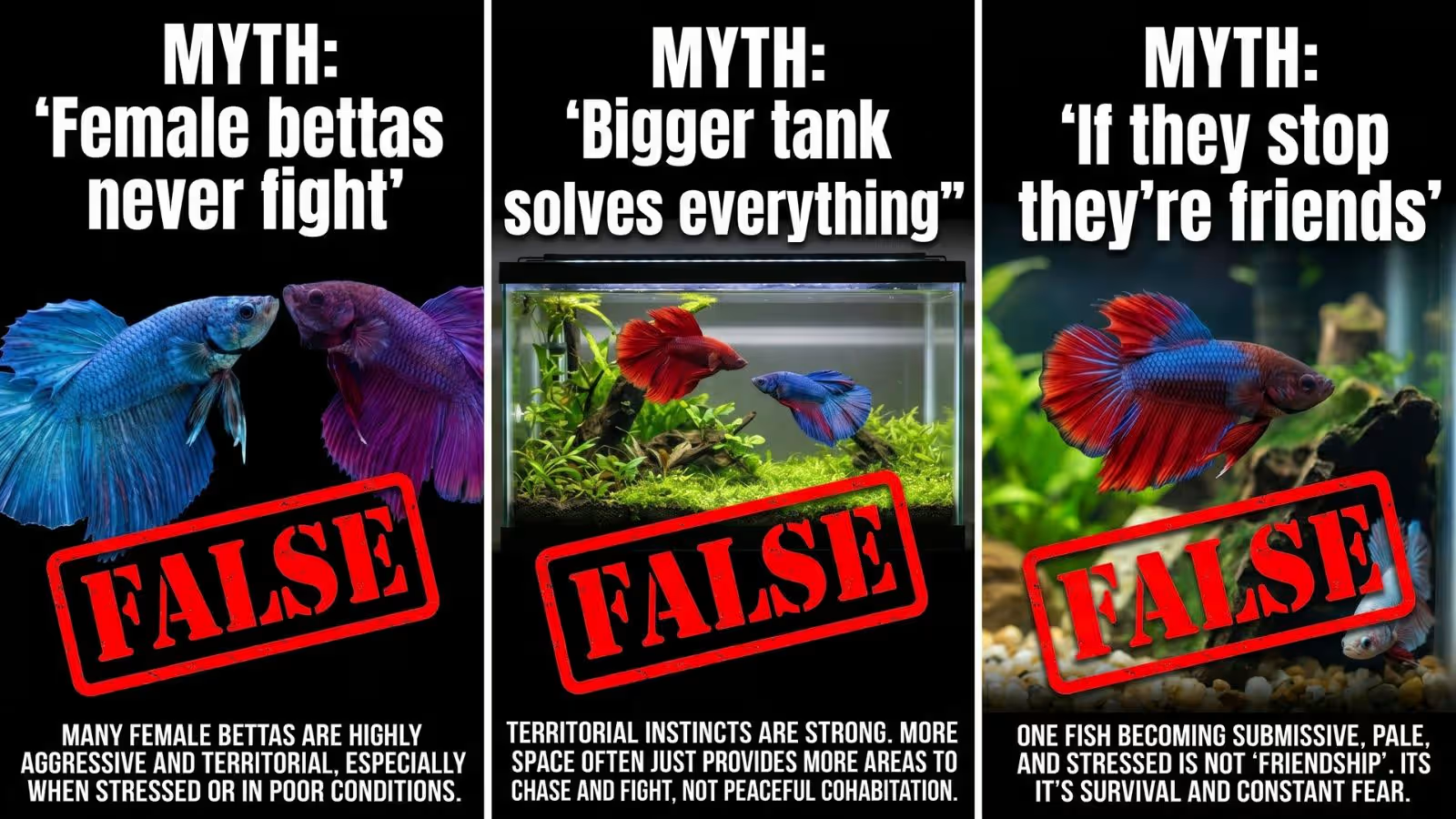
These common myths lead to failed setups and stressed fish. Female bettas fight. Tank size helps but doesn’t eliminate aggression. Stopped fighting usually means submission and chronic stress, not friendship.
“Female Bettas Never Fight”
False. Females are territorial too.
They fight less explosively than males, but they absolutely fight. Subordinate females in a sorority live in constant stress from harassment.
Female bettas aren’t peaceful—they’re just less visibly aggressive.
“A Bigger Tank Solves Everything”
Bigger tanks help. They don’t eliminate aggression.
A 50-gallon tank with two males will still see serious fighting. Size reduces stress but doesn’t remove betta territorial instinct.
“If They Stop Fighting, They’re Friends”
One of the most dangerous myths.
Two fish stopping visible fighting usually means one has submitted and accepted subordinate status. The subordinate is now living in fear, chronically stressed, with suppressed appetite.
This isn’t peace. This is a bully and a victim.
“Bettas Need Friends to Be Happy”
Completely false.
Wild bettas are solitary. Captive bettas thrive alone. A betta living alone in a properly maintained tank is healthier and happier than a betta in a stressful cohabitation situation.
“Pet Stores Keep Them Together So It Must Be Safe”
Pet stores keep bettas in cups not because it’s humane but because it’s cheap.
Many bettas get injured, damaged, or ill in pet store systems. That their cohabitation doesn’t immediately kill them doesn’t mean it’s safe or ethical.
“Aggression Means They Need Time to Adjust”
Nope. Aggression is their natural response.
Time doesn’t create friendship between territorial bettas. It creates hierarchy and subordination. One fish doesn’t adapt—it surrenders.
Common fishkeeper mistakes and lessons learned
I’ve seen every cohabitation setup fail eventually. Not always immediately, but most fail within months.
The successful ones I’ve observed share these traits: the keeper monitors daily without exception, separates immediately when aggression appears, and maintains pristine water parameters.
Most people get complacent after a few weeks of apparent peace. That’s when things destabilize.
Beginner Mistakes That Cause Betta Cohabitation Failure
Choosing a Tank That Is Too Small
Under 20 gallons for females, under 10 for divided tanks.
Small tanks force constant proximity and escalate aggression quickly. Size matters more than most beginners realize.
Overstocking the Aquarium
Adding too many bettas. Adding community fish on top of cohabitation.
High stocking = high bioload = poor water quality = increased aggression. Every extra fish increases complexity exponentially.
Skipping Quarantine Procedures
Adding fish directly from the pet store to the main tank.
This spreads disease, parasites, and illness. Quarantine first, always.
Ignoring Minor Aggression
Seeing early signs of fighting and assuming “they’ll work it out.”
Early intervention prevents escalation. Ignoring Stage 1 or 2 aggression lets it develop into Stage 3 and 4.
Not Having a Backup Tank
Planning cohabitation without a second tank on standby for emergencies.
You will need to separate at some point. Don’t get caught without options.
Poor Water Testing Habits
Not testing parameters regularly. Assuming water is fine because it looks clear.
Ammonia spikes with no visible sign. Water conditions deteriorate while everything looks normal. Poor water quality is invisible until damage appears.
Trusting Pet Store Advice Blindly
Pet store staff often have financial incentive to sell more fish, not good care incentive.
Do your own research. Don’t assume pet store recommendations are animal-welfare-based.
Mixing Incompatible Temperaments
Not observing fish carefully before deciding they’ll coexist.
Some individual bettas have personalities incompatible with cohabitation, no matter the setup. Observe temperament carefully.
Common Beginner Mistakes to Avoid
- Tank is smaller than recommended for your setup
- You haven’t quarantined new fish
- You’re ignoring early signs of aggression
- You don’t have a backup tank ready
- You’re not testing water parameters regularly
- You assumed pet store advice was accurate
- You added fish one at a time instead of simultaneously
- You haven’t observed your bettas daily
- You’re hoping aggression will “resolve on its own”
- You believe female bettas are harmless
If any of these apply, reconsider your setup before adding more fish.
When to Worry: Warning Signs Your Betta Setup Is Failing
Early Signs of Trouble
Fins showing small tears. One fish chasing regularly. Appetite slightly reduced but not completely gone. Color slightly duller than usual.
These happen early and are reversible with adjustment.
Serious Red Flags
Torn fins with visible blood. Constant chasing multiple times daily. One fish hiding most of the time. Appetite noticeably reduced.
These mean serious problems are developing. Change is needed soon.
Emergency Warning Signs
Deep bite wounds. Relentless non-stop chasing. Refusal to eat for multiple days. Extreme color fading. Gasping at surface. One fish unable to access food.
These require immediate separation. Don’t wait.
What Is Normal vs Abnormal Behavior?
Normal: Occasional flaring. Brief chasing during feeding. Mild fin nipping. Dominance displays.
Abnormal: Constant aggression. Severe injuries. Appetite loss. Color fading. Extreme hiding. Lethargy.
When to Separate Fish Permanently
Once you separate fish due to aggression, don’t recombine them.
Many people separate, let aggression calm down, and try again. This teaches fish nothing—it just resets the cycle.
Separated fish should stay separated indefinitely.
When to Seek Veterinary Help
Visible infections in bite wounds (cloudiness, pus, discoloration). Fish unable to swim normally. Extreme lethargy lasting days. Loss of appetite for multiple days.
A vet experienced with aquatic animals can confirm infection and recommend treatment.
When fish aggression becomes dangerous
I’ve learned to trust my gut on this: if you’re questioning whether aggression is normal, it probably isn’t.
Early intervention prevents disaster. Late intervention usually means one fish is already immunocompromised and will die or suffer permanently.
Separate early and ask questions later. It’s safer.
Final Verdict: Should You Keep Multiple Betta Fish in One Tank?
Best Recommendation for Beginners
Get a single betta in a 10-gallon heated, filtered tank.
Learn to maintain proper water quality. Observe your fish’s normal behavior. Build a foundation of knowledge and equipment.
Once you’ve done that successfully for 6+ months, then consider advanced setups like sororities.
When Cohabitation May Be Possible
If you have:
- Significant fishkeeping experience
- Proper tank size (20+ gallons for sorority)
- Backup tank ready for emergencies
- Daily monitoring commitment
- Realistic expectations about failure
- Pristine water quality maintenance
- Understanding of betta behavior
Even then, cohabitation remains experimental. Failure isn’t rare.
Safest Long-Term Betta Care Strategy
Keep bettas individually. One fish per tank.
This eliminates conflict entirely. Your betta thrives without stress from cohabitation. Water quality is simpler to manage. Your fish lives longer and healthier.
Individual housing isn’t lonely—it’s humane.
Final Thoughts on Ethical Betta Keeping
Bettas didn’t evolve to live with other bettas. They evolved to defend territory and live alone.
Respecting that natural behavior makes you a better keeper. Your fish is calmer, healthier, and more responsive when you match the environment to his instincts instead of forcing something unnatural.
Multiple bettas in one tank is possible under ideal circumstances. But it’s not necessary, not easier, and usually not what’s best for the fish.
A single happy betta in a proper setup beats a stressed betta in a beautiful sorority every time.
FAQ Section: Questions You Might Have
Probably not long-term. A 10-gallon tank is barely adequate for one betta, let alone two.
For a small female sorority, 20 gallons is the more realistic minimum. A 10-gallon tank creates constant stress from forced proximity.
A proper sorority setup usually includes 4–6 females. Never keep just 2 together — they’ll almost certainly fight.
Odd numbers (such as 5 or 7) tend to distribute aggression more effectively than even numbers.
No. Even temporary cohabitation is stressful for the female.
Breeding setups are designed to be temporary. The male and female should be separated immediately after spawning.
No. Bettas are naturally solitary fish and do not experience loneliness.
A betta living alone in a proper tank is typically healthier and calmer than a betta living in a cohabitation setup.
Yes, but with caveats. Visual stress can still happen even with solid dividers.
A divided tank may save space, but it is generally less humane than giving each betta its own separate full tank.
Sources
- Aquarium Co-op. (2023). Betta Fish Care: The Complete Guide.
- FishLab. (2024). Betta Fish Behavior and Compatibility.
- The Spruce Pets. (2023). How to Care for Betta Fish.
- PetMD. (2023). Betta Fish: Characteristics, Housing, Diet, and Care.
- Cornell University College of Veterinary Medicine. (2022). Fish Health and Disease Management.