
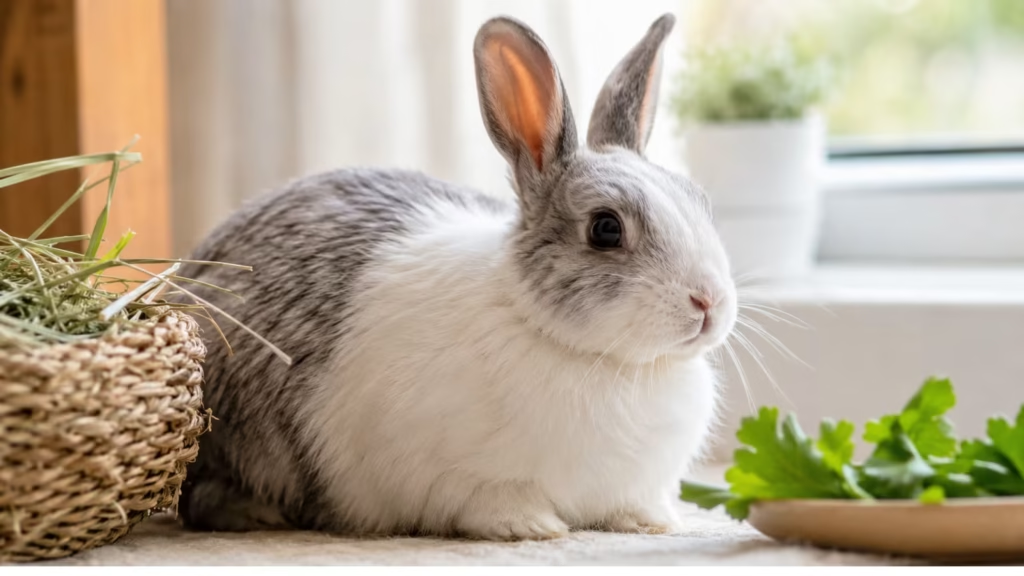
Bunny Rabbit Lifespan: How Long Do Pet Rabbits Live?
People assume rabbits live short lives, the way hamsters or mice do. That is one of the most widespread misconceptions in small pet ownership. A healthy, well-cared-for pet rabbit commonly lives eight to twelve years, and some reach fourteen or even older. That puts them closer to a cat than a hamster in terms of commitment and companionship.
Understanding rabbit lifespan is not just about knowing a number. Diet, housing, stress levels, exercise, veterinary care, breed, and daily routines all directly shape how long your bunny stays healthy and happy.
This guide covers everything you need to know, including average life expectancy by breed, what shortens a rabbit’s life, common health problems, signs of aging, and exactly what you can do to give your rabbit the longest possible life.
Average Rabbit Lifespan
How Long Do Pet Rabbits Usually Live?
Most domesticated rabbits live somewhere between eight and twelve years on average. Small breeds tend to sit at the higher end of that range. Indoor rabbits typically outlive outdoor rabbits by several years.
Rabbits that receive regular veterinary care consistently live longer than those that never see a vet until something goes wrong.
Many first-time owners walk into rabbit ownership thinking it is a short commitment. That assumption leads to a lot of heartbreak, and sometimes to genuinely unprepared care. These are long-term companions, and they deserve to be treated that way from day one.
Indoor Pet Rabbit
8 to 12+ years
The standard for a well-cared-for pet rabbit living inside the home.
Outdoor Pet Rabbit
5 to 8 years
Outdoor conditions shorten life significantly even with good care.
Wild Rabbit
1 to 3 years
Predators, disease, and harsh conditions drastically cut wild rabbit lifespan.
Why Indoor Rabbits Live So Much Longer
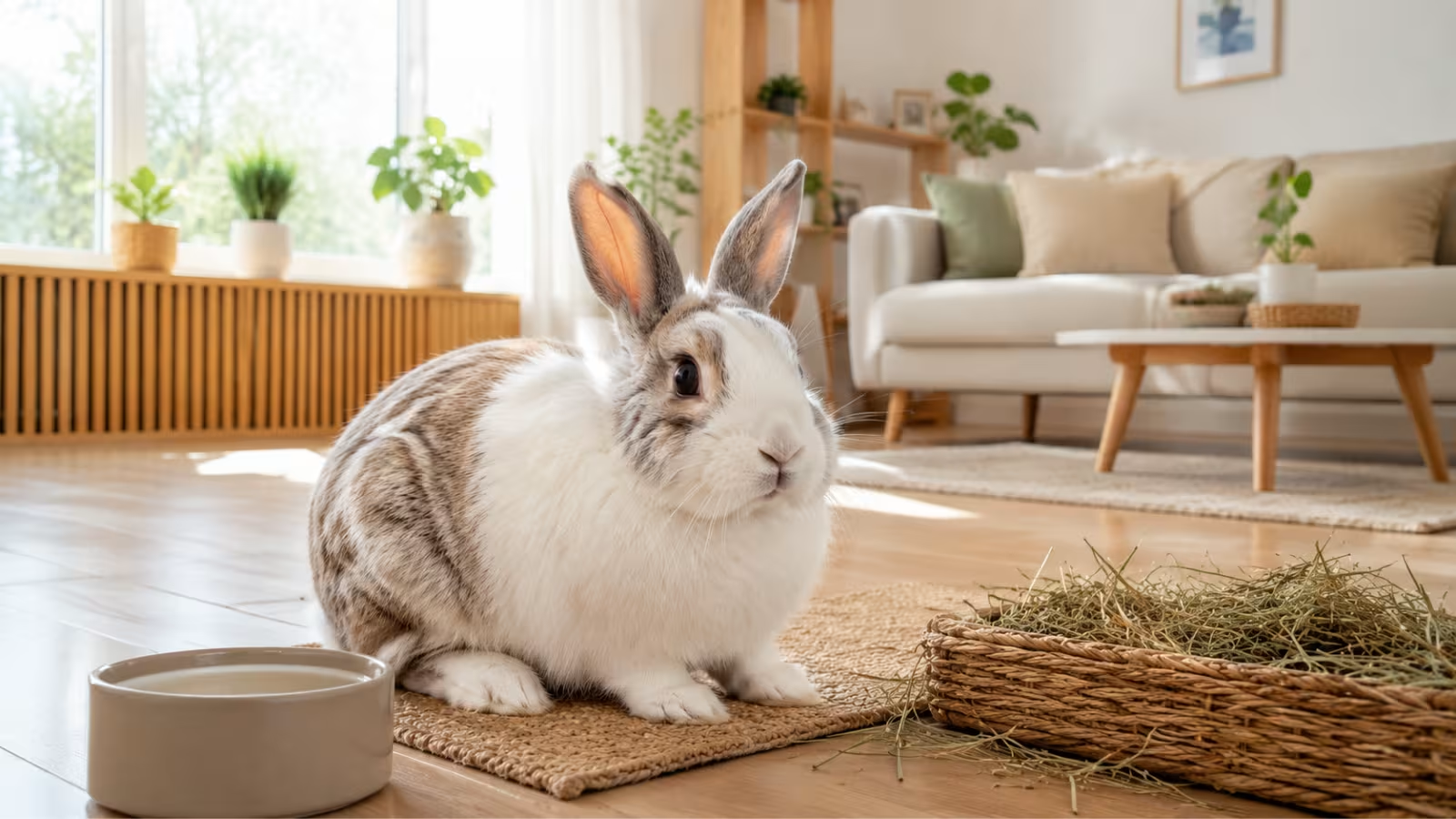
The difference between indoor and outdoor rabbit lifespan is not small. Indoor rabbits are protected from predators, extreme weather, parasites, and infectious diseases that outdoor rabbits face regularly.
They also get much closer daily monitoring, which means health problems get noticed and treated before they become emergencies.
There is something many outdoor rabbit owners underestimate, and that is chronic stress. Even if a predator never physically touches your rabbit, seeing a fox, a dog, or a bird of prey triggers a fear response.
When that fear response happens repeatedly, day after day, it gradually wears down the immune system and contributes to illness and shortened life. The rabbit may never get attacked, but the psychological toll is real and it adds up over time.
Rabbit Lifespan by Breed
Not all rabbits age at the same pace. Breed size is one of the most reliable predictors of lifespan, and it is a pattern that appears across many animal species.
Smaller bodies tend to mean longer lives, and rabbits are no exception to that rule.
Small Breeds
Longest Lived: 10 to 14 Years
Small breeds like the Netherland Dwarf, Mini Rex, and Holland Lop consistently live the longest. Their smaller body size contributes to fewer joint and mobility issues in later life.
The skeletal and cardiovascular strain that large breeds experience simply does not affect them to the same degree. Many well-cared-for small rabbits comfortably reach their early teens.
Medium Breeds
Mid-Range: 8 to 12 Years
Medium breeds such as the Lionhead, Harlequin, and English Spot generally land in the eight to twelve year range. They tend to be robust and hardy animals.
With proper care and veterinary support, many of these breeds reach the upper end of their range without much difficulty.
Large Breeds
Shorter Lifespan: 5 to 8 Years
Large breeds like the Flemish Giant, French Lop, and Continental Giant are wonderful affectionate animals, but they age faster and carry far more physical strain on their bodies.
Arthritis, heart strain, mobility problems, and obesity complications are significantly more common in large breed rabbits as they get older. Five to eight years is a typical lifespan for these breeds, though exceptional care can extend it.
If you are adopting a rabbit specifically hoping for a long companion relationship, a small or medium breed will generally give you more years together. That is worth knowing before you make a decision at the shelter or pet shop.
What Affects a Bunny Rabbit’s Lifespan?
Genetics gives you a range. How you care for your rabbit determines where in that range they actually land. The good news is that most of the factors that matter are within your control.
Diet and Nutrition
Diet is probably the single biggest controllable factor in how long your rabbit lives. Get this right and you have done most of the work.
Get it wrong and nothing else fully compensates for it, no matter how clean the enclosure is or how many vet visits happen.
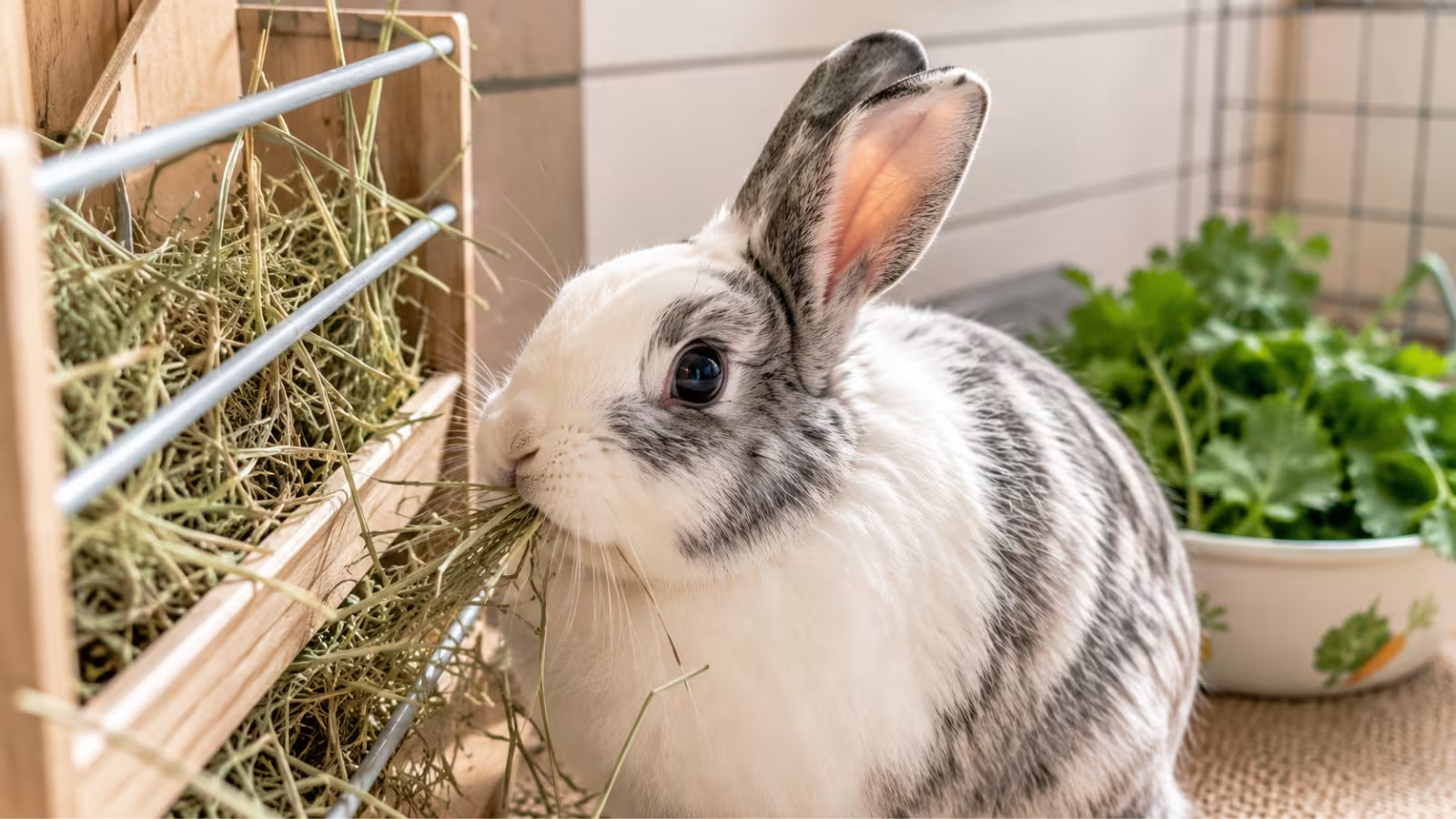
Hay should make up around 80 to 90 percent of your rabbit’s total diet. Timothy hay, orchard grass, and meadow hay are all excellent choices.
Hay keeps the digestive system moving, naturally wears down continuously growing teeth, and supports healthy gut bacteria.
In my experience, rabbits fed on pellet-heavy diets with minimal hay consistently develop health problems faster than hay-fed rabbits. It is not a subtle difference.
A handful of fresh leafy greens daily rounds out the diet nicely. Good options include romaine lettuce, cilantro, parsley, bok choy, and basil.
Rotating variety keeps things interesting for the rabbit and ensures a range of nutrients. Fresh clean water available at all times is equally important.
Water bowls tend to encourage more natural drinking behavior than bottles, and rabbits typically drink more from them, which supports kidney and digestive health.
Pellets should complement the diet, not dominate it. One or two tablespoons per day is typically plenty for an average adult rabbit.
Too many pellets lead directly to obesity, digestive imbalance, and dental problems. Most owners give far more than that without realizing it.
Common Mistake: Pet stores often sell colorful treat mixes packed with seeds, dried fruit, and shaped pellets that look appealing. These are genuinely harmful to rabbits fed them regularly.
Real rabbit treats are small pieces of fresh fruit like apple without seeds, or a sprig of herbs. Even those should be rare rather than daily.
Iceberg lettuce is worth mentioning because it is commonly given but offers almost no nutritional value. Sugary treats and excess fruit disrupt gut bacteria and contribute to obesity.
Bread, crackers, seeds, nuts, and dairy-based products like yogurt drops are all dangerous to rabbit digestion and should never be offered.
These are mistakes that quietly shorten rabbit lives without owners ever connecting the diet to the health decline.
Housing and Environment
A rabbit’s living environment directly affects both physical and mental health in ways many owners do not fully appreciate until something has already gone wrong.
Healthy rabbits need a large exercise space, proper flooring without bare wire that damages the sensitive skin on their hocks, a clean litter area, safe hiding spots where they can retreat and feel secure, genuine mental enrichment, and daily free-roam time outside any enclosure.
The space most pet stores recommend is typically far too small for a healthy adult rabbit to live well.
Small cages cause muscle loss, obesity, depression, sore hocks, and serious behavioral problems. Many setups look perfectly fine from the outside and are quietly damaging the rabbit’s health and mental state over a period of months.
Rabbits should never spend their entire lives confined to a small hutch or cage. That is not an exaggeration for dramatic effect. It is simply how rabbit bodies and minds work.
Pro Tip: Spot-clean the litter tray daily and do a full habitat clean once a week. A consistently clean environment reduces respiratory irritation, prevents ammonia buildup from urine, and lowers stress.
Veterinary Care and Preventive Health
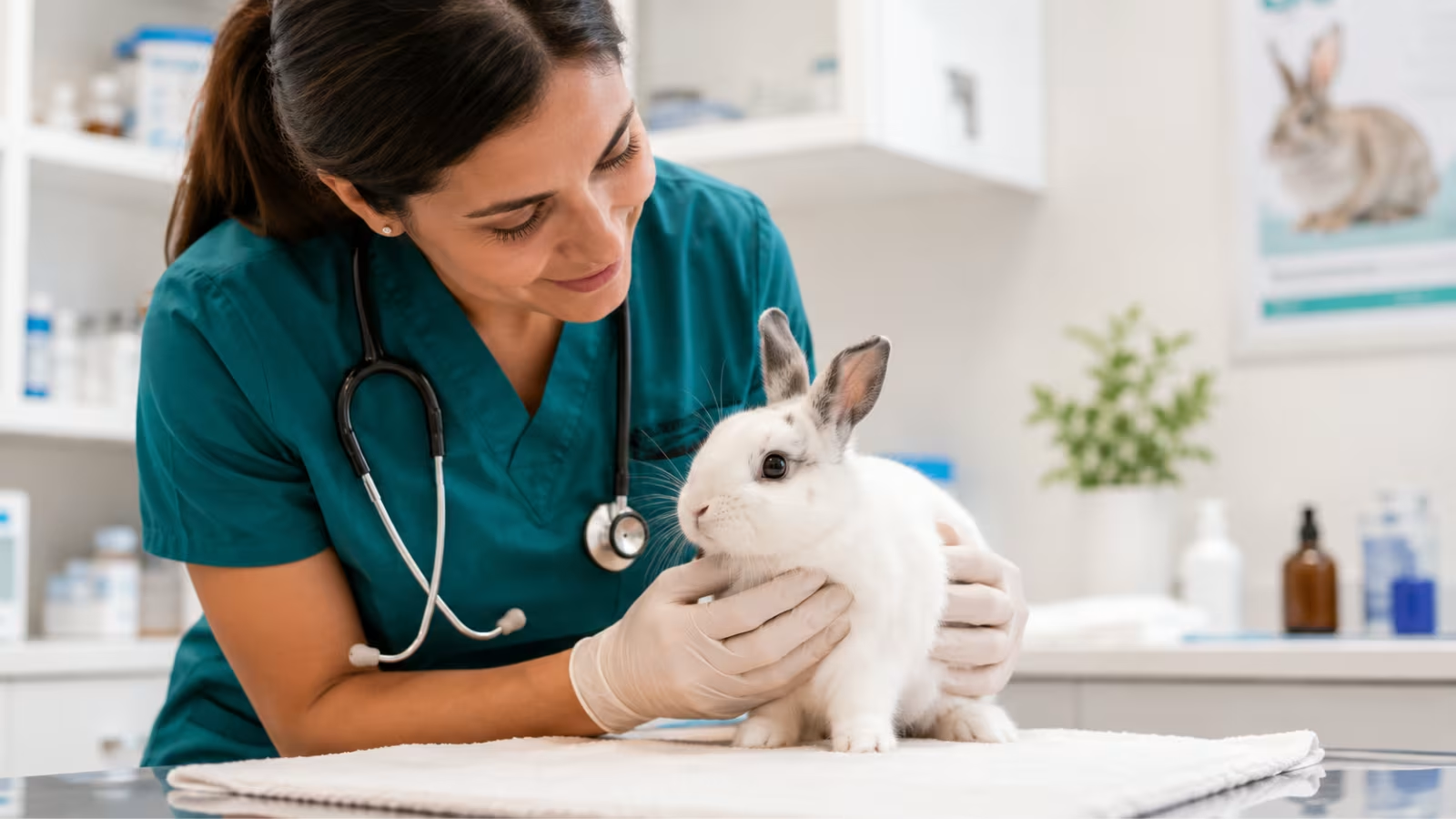
This is where many well-meaning rabbit owners fall short. Regular veterinary care genuinely extends lifespan, not just by treating illness when it appears, but by catching problems early when they are far easier and cheaper to treat.
Annual wellness exams are the baseline. Senior rabbits benefit from checkups twice a year.
One important thing to understand is that not all vets specialize in rabbits. Rabbits are classified as exotic pets, and you need a vet with actual exotic animal experience.
A rabbit-savvy veterinarian knows how to detect GI stasis, dental disease, parasites, respiratory infections, and reproductive cancers before they become crises.
Finding one before you need one urgently is one of the smartest things a rabbit owner can do.
The Importance of Spaying and Neutering
This single decision may be the most impactful thing you can do for a female rabbit’s lifespan. Unspayed females carry a staggeringly high risk of uterine cancer.
Research suggests up to 80 percent of unspayed female rabbits develop uterine adenocarcinoma by the age of five. Many do not make it to middle age.
Many beginners do not know this until it is already too late, which makes it one of the most heartbreaking preventable situations in rabbit care.
Spaying a female rabbit dramatically reduces this risk and typically adds years to her life. For males, neutering reduces aggression, lowers chronic stress, improves litter habits, and generally results in a calmer, healthier animal.
The procedure should ideally be done before six months of age by a vet who is experienced with rabbits, since this is not equivalent to a standard cat or dog surgery.
Quick Fact: An unspayed female rabbit is one of the highest-risk small pets for reproductive cancer. Spaying is not just about preventing unwanted litters. It is a direct lifespan intervention.
Exercise and Mental Stimulation
Rabbits are far more intelligent and physically active than their reputation suggests. Without daily enrichment and exercise, they develop depression, obesity, destructive behavior, and chronic stress.
All of these shorten life. Daily free-roam time is not optional for a healthy rabbit. It is foundational.
At least three to four hours of free-roam time outside any enclosure every day makes a measurable difference in physical health, cardiovascular fitness, and emotional wellbeing.
Tunnels, dig boxes, cardboard boxes to shred, wooden chew toys, and simple foraging games where hay or greens are hidden around the space all work well as enrichment.
Rotating these regularly keeps the rabbit engaged, because they do get bored with the same objects over time.
Stress and Its Effect on Lifespan
Rabbits are prey animals, and their entire nervous system is built around alertness, caution, and rapid fear responses.
Chronic stress weakens the immune system, disrupts digestion, and contributes to serious illness that accumulates quietly over time.
Common stress triggers that many owners miss include loud music or television near the enclosure, rough or frequent handling before trust has been properly built, nearby cats or dogs that chase or loom over the rabbit, isolation with little social interaction or enrichment, dirty or cluttered living spaces, sudden changes in routine, and lack of any enclosed hiding spot where the rabbit can feel invisible.
Creating a calm and predictable environment is not sentimental. It directly protects the immune system and extends life.
Common Rabbit Health Problems That Affect Lifespan
GI Stasis
GI stasis is the emergency that kills more pet rabbits than almost anything else. It occurs when the digestive system slows dramatically or stops completely.
In a rabbit, this becomes life-threatening within hours rather than days, which is what makes it so dangerous.
The digestive system of a rabbit is designed to be in near-constant motion. When it stops, gas builds up, bacteria shift, and the situation deteriorates rapidly.
The warning signs are a rabbit that refuses food or favourite treats, produces very small or misshapen droppings or none at all, sits hunched and unusually still, grinds teeth loudly and persistently, or has a visibly swollen or hard abdomen.
If you notice any of these signs, contact an exotic vet immediately. Do not wait overnight to see if the rabbit improves.
GI stasis caught and treated in the first few hours has a much better survival rate than stasis treated the following morning.
Important Warning: Rabbits hide pain and illness instinctively because showing weakness in the wild attracts predators. By the time your rabbit is displaying obvious signs of distress, the problem is usually already advanced.
Dental Disease
A rabbit’s teeth grow continuously throughout their entire life. Without the constant mechanical grinding that comes from chewing hay, those teeth do not wear properly.
They develop painful spurs and overgrowth, which causes mouth injuries, infections, pain, and eventually an inability to eat properly. This can then trigger GI stasis as a secondary emergency.
Dental disease shows up in rabbits that drool, have a wet chin, lose weight gradually without obvious reason, show interest in food but struggle to eat, or grind their teeth persistently.
Annual dental checks with an exotic vet can catch problems before they become severe. The best prevention by far is a diet where hay is always the foundation.
Obesity
Overweight rabbits are far more common than most people realize, particularly in homes that feed generous amounts of pellets and treats.
Obesity in rabbits creates a cascade of secondary problems. Arthritic joints develop sooner and more severely. The heart works harder. Grooming becomes difficult because the rabbit cannot reach important areas, leading to skin infections and flystrike risk.
Mobility declines. GI function suffers. It shortens life noticeably, and it is almost entirely preventable through appropriate diet and daily exercise.
A healthy rabbit should have a firm, gently rounded body with ribs that are palpable when you press gently but not visibly protruding.
If you cannot feel the ribs at all through the fur, it is time to have a conversation with a vet about adjusting the diet.
Respiratory Infections
Respiratory illness in rabbits typically presents as persistent sneezing, nasal discharge, labored or noisy breathing, and sometimes eye discharge.
The most common cause is Pasteurella multocida, which owners sometimes call snuffles. These infections can become chronic if not treated promptly and can contribute to secondary health complications over time.
Any respiratory symptoms that last more than a day or two should be checked by a rabbit-savvy vet rather than waiting to see whether they resolve on their own.
Signs Your Rabbit Is Aging
Senior rabbits, generally those over seven years old, go through gradual changes that are completely normal parts of aging.
Learning to distinguish normal aging from warning signs that need veterinary attention is one of the most practical things a longtime rabbit owner can know.
Normal aging looks like sleeping more during the day, reduced overall activity compared to younger years, slightly slower movement around the home, mild stiffness that is most visible in the mornings, gradually thinning fur especially around the face, and less enthusiasm for climbing or jumping.
Weight may shift slightly upward or downward. Eyes may appear mildly cloudier. These are all expected changes in an older rabbit.
What warrants a vet call is different. A senior rabbit that refuses all food is a concern. Sudden unexplained weight loss is a concern.
Any difficulty breathing, severe lethargy where the rabbit barely responds to stimulus, producing no droppings for twelve hours or more, losing balance or tilting the head persistently, or persistent wet chin from drooling all require prompt veterinary attention.
Older rabbits often benefit from softer and thicker bedding to cushion arthritic joints, lower-sided litter boxes they can step into without strain, more frequent health checkups twice a year rather than annually, and in some cases joint support supplements recommended by a vet.
My Advice: Any sudden behavioral change in a senior rabbit deserves prompt attention. Rabbits hide illness until they genuinely cannot anymore. Early action almost always leads to better outcomes.
How to Help Your Rabbit Live Longer
Most of what determines your rabbit’s lifespan is within your control. None of these steps are complicated. They just need to be done consistently, year after year, for the full length of your rabbit’s life.
Feed Unlimited Hay Every Single Day
Hay is the foundation of rabbit health, full stop. Keep the hay rack full at all times. Timothy hay is the ideal choice for adult rabbits.
Alfalfa hay is higher in calcium and protein and works well for young rabbits under seven months, but adult rabbits should switch to grass hay after that.
If your rabbit is picky about hay, try a different variety rather than replacing hay with pellets. Mixing two types of hay often encourages better eating habits.
Keep Your Rabbit Indoors
The lifespan difference between indoor and outdoor rabbits is significant enough that this decision alone matters more than almost any other.
Indoor housing means stable temperatures, better supervision, cleaner conditions, more human interaction, and dramatically lower predator stress.
If your current setup is outdoor, converting to indoor housing with proper rabbit-proofing is one of the highest-impact changes you can make.
Provide Daily Free-Roam Exercise
At least three to four hours of free-roam time outside the enclosure every day is the target. More is better if your home and lifestyle allow it.
Exercise supports digestion, cardiovascular health, healthy weight maintenance, and mental stimulation all at once.
A rabbit that roams freely every day is a fundamentally healthier animal than one that spends most of its life in a hutch.
Schedule Annual Vet Checkups
Annual wellness exams with a rabbit-savvy exotic vet are how you catch dental disease, weight changes, early reproductive issues, and the beginnings of illness before they become emergencies.
Senior rabbits aged seven and older should visit twice yearly. Find your rabbit-experienced vet before you need one urgently, because not all vets have the training to treat rabbits properly.
Spay or Neuter Your Rabbit
For female rabbits in particular, spaying is one of the most important longevity decisions an owner can make.
The cancer risk in unspayed females is not a small statistical footnote. It is a genuine and common cause of premature death in pet rabbits that could easily be prevented.
For males, neutering reduces aggression and chronic stress and generally produces a calmer, longer-lived animal. Do this early, with a vet who has rabbit experience.
Reduce Chronic Stress
Create a calm and predictable environment. Keep the enclosure in a quieter part of the home away from constant noise and disruption.
Always let the rabbit come to you during bonding rather than picking them up from above, which triggers their prey instincts.
Provide at least one enclosed hiding spot where the rabbit can feel completely hidden. Avoid sudden routine changes where possible. These small things compound meaningfully over years.
Maintain a Healthy Weight
Obesity shortens rabbit lifespan in multiple interconnected ways. Keep pellets limited, keep hay unlimited, treat fruit and sugary snacks as genuine rarities, and give your rabbit space and opportunity to exercise daily.
Check the body condition monthly by running your hands along the sides and feeling for the ribs. A vet can show you exactly what a healthy weight feels like on your specific rabbit.
Do Bonded Rabbits Live Longer?
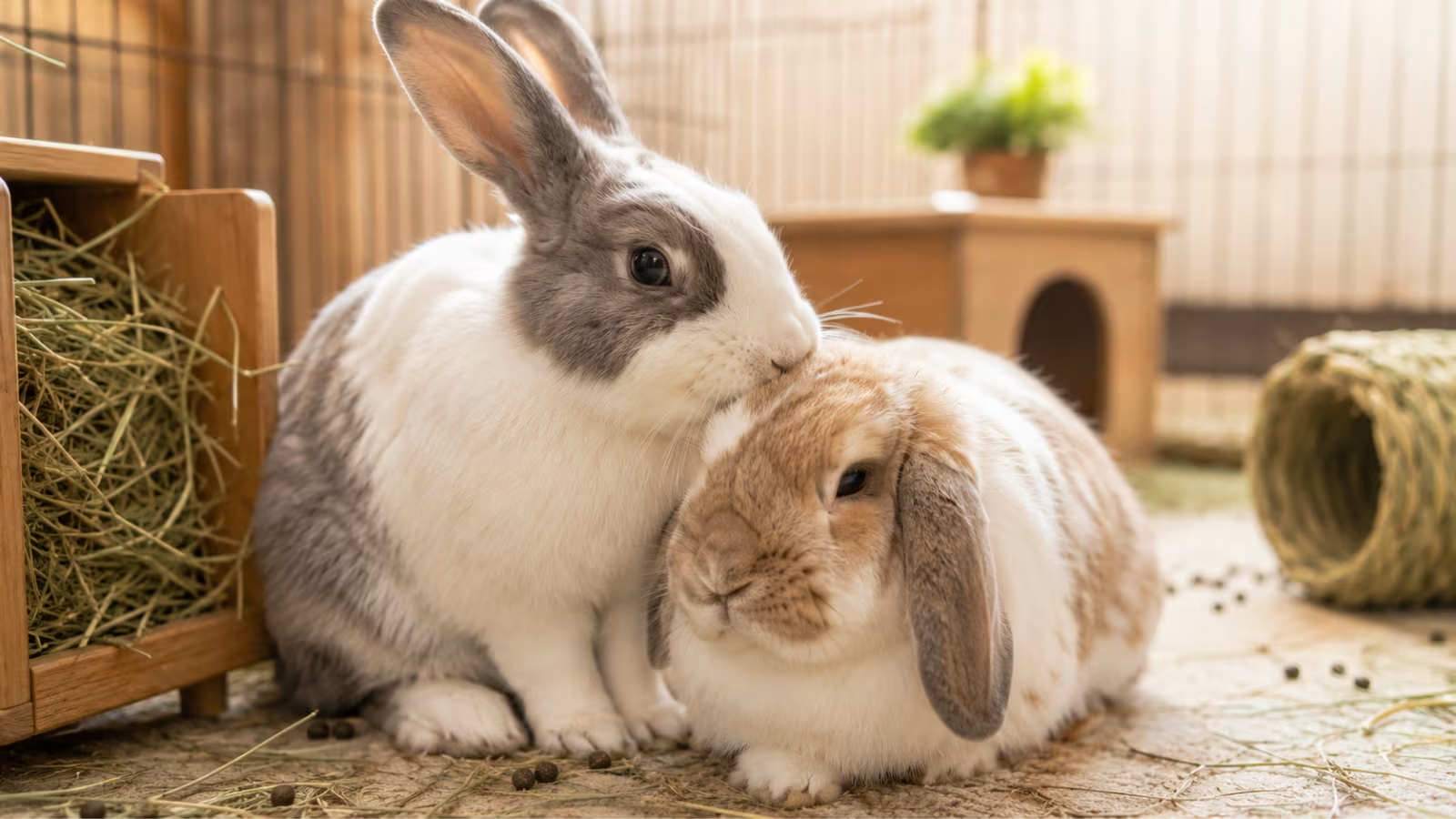
There is good reason to think they often do. Bonded rabbits in compatible pairs tend to experience lower chronic stress, stay more physically active through social play, engage in more natural social behaviors like mutual grooming, and show better emotional wellbeing overall.
Loneliness in rabbits is a genuine welfare concern and not just a sentimental one. It affects their behavior, their activity levels, and potentially their long-term health.
Bonding must be done carefully and gradually, though. Introducing two unfamiliar rabbits without proper technique frequently leads to serious fighting and injury.
Always introduce on neutral territory, in short supervised sessions, watching body language closely for signs of tension. A proper bond takes time but typically produces two happier, calmer animals.
Can Rabbits Live Alone?
Yes, some rabbits live perfectly well as solo pets provided they receive daily interaction, enrichment, exercise, and consistent human attention.
Some rabbits actually prefer their own space and become stressed by another rabbit’s presence. Personality varies significantly between individuals.
A rabbit that is already well-bonded to its human owner and has rich daily enrichment can thrive without a rabbit companion.
That said, many rabbits genuinely benefit from compatible companionship, especially those that show signs of boredom, persistent attention-seeking, or low-level anxiety.
If you have the space and the time to manage the bonding process properly, it is often worth considering.
Oldest Rabbit Lifespans on Record
Some rabbits have lived remarkably long lives, well beyond the typical range. A handful of well-documented cases have reached fifteen to eighteen years.
The oldest rabbit on record according to the Guinness World Records was a rabbit named Flopsy from Australia who lived to eighteen years and ten months.
These are not typical outcomes, but they are meaningful data points. They show how strongly the quality of daily care shapes longevity over time.
Even reaching fourteen or fifteen years is achievable for small breed indoor rabbits given consistently good nutrition, regular veterinary care, appropriate exercise, stress reduction, and spaying or neutering.
Quick Fact: A ten-year-old rabbit is considered a senior. In rough human equivalent terms, this is somewhere around the late sixties to early seventies. Still active, still engaged, still a lot of life left with the right support and care.
When to Seek Veterinary Care Immediately
Seek emergency veterinary care right away if your rabbit stops eating completely, produces no droppings for twelve hours or more, shows difficulty breathing or labored respiration, suddenly collapses or cannot stand, displays severe unresponsive lethargy, loses coordination or balance, or has a visibly tight and bloated abdomen.
Any one of these is a genuine emergency.
Rabbits decline rapidly once a crisis takes hold. Do not wait until the next morning to call. An exotic vet or emergency animal hospital should be your first call, not a last resort.
Common Beginner Mistakes That Shorten Rabbit Lives
These mistakes show up repeatedly, often in homes where the owners genuinely love their rabbit and have absolutely no idea anything is wrong.
Keeping Rabbits in Tiny Hutches
The cages and hutches sold in most pet stores are dramatically undersized for a healthy adult rabbit.
A rabbit needs enough space to take at least three full hops in a row, to stand fully upright on their back legs without touching the ceiling, and to move around freely at any time.
A good starting point for an adult rabbit is at least eight square feet of dedicated enclosure space, with multiple hours of free-roam time daily beyond that.
A rabbit confined to a small cage with limited movement is quietly developing physical and psychological problems that will shorten its life.
Feeding Too Many Pellets and Treats
Using pellets and treats as the foundation of the diet rather than a supplement is one of the most common paths to obesity, dental disease, and GI problems in pet rabbits.
Hay should always dominate the diet. Pellets and fresh greens are the supplement to hay, not the other way around.
Most owners who discover their rabbit has dental or weight issues find, looking back, that the diet was the root cause all along.
Ignoring Dental Health
Dental disease is extremely common in pet rabbits and almost entirely preventable with an appropriate hay-based diet and annual dental checks.
Many owners do not think about their rabbit’s teeth until the rabbit stops eating, at which point significant damage has usually already occurred.
Annual dental exams with an exotic vet are a straightforward investment that can prevent months of suffering and expensive treatment.
Assuming Rabbits Do Not Need Regular Vet Care
This is a serious and common mistake. Rabbits hide illness with remarkable effectiveness.
It is a survival instinct from being prey animals in the wild. Showing weakness attracts predators, so rabbits have evolved to mask pain and discomfort until they genuinely cannot anymore.
By the time obvious symptoms appear, the condition is often already advanced. Regular checkups rather than only emergency visits are how you stay ahead of problems rather than reacting to crises.
Buying Rabbits for Children Without Long-Term Planning
Rabbits are delicate, intelligent animals that require consistent, attentive, and gentle care over many years.
They do not typically enjoy being held the way a cat might tolerate it, and they can be seriously injured by rough or careless handling.
A rabbit purchased as a starter pet for a young child, without a committed adult taking long-term responsibility for its care, often ends up confined in a small cage with minimal enrichment and attention.
These animals can live over a decade. They deserve planning, commitment, and appropriate expectations from the beginning.
FAQ Section: Questions You Might Have
Yes, though it is uncommon. Some well-cared-for indoor rabbits have lived fifteen years or longer, and the oldest documented pet rabbit reached nearly nineteen years. These cases require exceptional daily care over a long period, including indoor housing, unlimited hay, regular exotic vet attention, spaying or neutering, and stress management.
There is no large inherent difference between the sexes overall, but spayed females live significantly longer than unspayed females. Unspayed female rabbits have a high risk of uterine cancer, while neutered males often benefit from reduced aggression, lower stress, and better overall quality of life.
Indoor rabbits are generally safer, less stressed, and healthier when properly enriched and given daily exercise. They are protected from predator stress, extreme temperatures, parasites, and chronic fear, which often leads to better health outcomes and stronger bonds with their owners.
GI stasis is one of the most common causes of sudden death in pet rabbits. Dental disease, uterine cancer in unspayed females, poor diet, respiratory infections, and parasites can also shorten a rabbit’s life. Many early deaths are preventable with proper diet, regular veterinary care, and spaying or neutering.
Many rabbits are social animals and benefit from companionship, especially when they are kept in bonded pairs. Loneliness can cause lethargy, attention-seeking behavior, reduced activity, and chronic stress. Some rabbits can still live happily alone if they receive daily human interaction, exercise, and enrichment.
A ten-year-old rabbit is considered a senior. In rough human equivalent terms, this is around the late sixties to early seventies. Many senior rabbits still live active and happy lives with softer bedding, lower-sided litter boxes, regular vet checks, and proper daily care.
Keeping a rabbit permanently confined in a small cage can cause physical and psychological harm. Rabbits need space to run, stretch, stand upright, and explore every day. A large enclosure can be used as a safe home base, but rabbits also need multiple hours of daily free-roam time.
Smaller rabbit breeds generally live the longest. Netherland Dwarfs, Mini Rex rabbits, and Holland Lops commonly reach ten to fourteen years with proper care. If lifespan is an important factor, a small breed is usually a good choice.
Final Thoughts
Most pet rabbits can live eight to twelve years, and often longer, when given proper care, nutrition, exercise, and veterinary support. The gap between a rabbit who lives five years and one who lives fourteen usually comes down to daily decisions that seem ordinary at the time but compound significantly over a lifetime together.
Indoor housing, unlimited hay, regular health checks, spaying or neutering, appropriate space to exercise, and a calm low-stress environment are not complicated things. They are consistent things. And consistency is what rabbit longevity is truly built on, year after quiet year.
Rabbits are intelligent, emotional animals that need far more care than many people expect when they first bring one home. Owners who genuinely understand their physical and emotional needs almost always look back on years and years of rewarding companionship.
A rabbit’s lifespan is not determined by luck. It is shaped, day by day, by the quality of care they receive and the understanding of the person who loves them.
References and Further Reading
-
House Rabbit Society. Basic Rabbit Care.
https://rabbit.org/care/ -
House Rabbit Society. Diet: Hay, Vegetables and Pellets.
https://rabbit.org/faq-diet/ -
RSPCA. Rabbit Health and Welfare.
https://www.rspca.org.uk/adviceandwelfare/pets/rabbits/health -
VCA Animal Hospitals. Basic Information About Rabbits.
https://vcahospitals.com/know-your-pet/rabbits-general-information -
VCA Animal Hospitals. GI Stasis in Rabbits.
https://vcahospitals.com/know-your-pet/gastrointestinal-stasis-the-silent-killer-of-rabbits -
The Rabbit Haven. Spaying and Neutering Rabbits.
https://www.therabbithaven.org/spayneuter -
PetMD. Rabbit Lifespan: How Long Do Rabbits Live?
https://www.petmd.com/rabbit/general-health/how-long-do-rabbits-live