

Why Do Sugar Gliders Bark?
If you’re a new owner, that sound catches you off guard every time. Your first instinct is to worry. Second instinct? Google it at midnight.
Here’s the honest answer: barking is one of the most natural things a sugar glider does. These are vocal, expressive, socially complex animals. Barking is how they communicate with you, with cage mates, and with the world around them.
That said, context matters. Occasional barking is completely different from relentless nightly calling. Understanding why your sugar glider is barking helps you respond the right way and keep your pet healthy and emotionally secure.
What Does Sugar Glider Barking Sound Like?
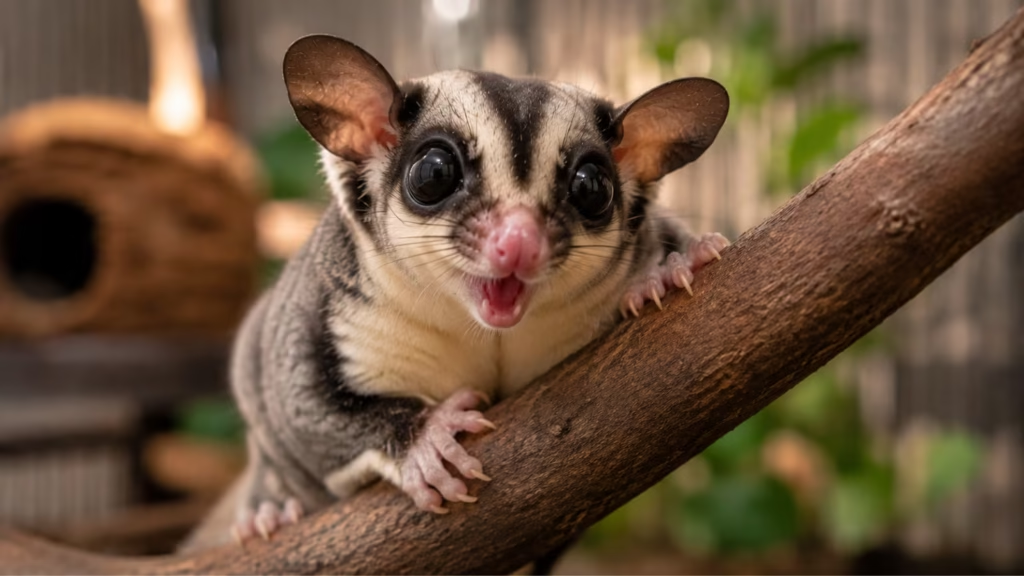
Most people describe it as a small puppy bark quick, sharp, repetitive. Others compare it to a tiny chihuahua yipping. Some gliders do a short “yap-yap” and stop. Others go for several minutes straight.
According to Exotic Nutrition, the barking sound resembles “a small yipping noise, similar to a chihuahua,” and can be triggered by boredom, excitement, annoyance, or the desire to call out to someone sometimes for no obvious reason at all.
You might hear:
- A few quick barks, then silence
- Repeated short calls at regular intervals
- A sudden loud burst in the middle of the night
- Soft, low vocalizations mixed into normal nighttime activity
Young gliders and newly adopted pets tend to bark more frequently as they adjust. This usually settles down once they feel safe in their environment.
Is Barking Normal for Sugar Gliders?
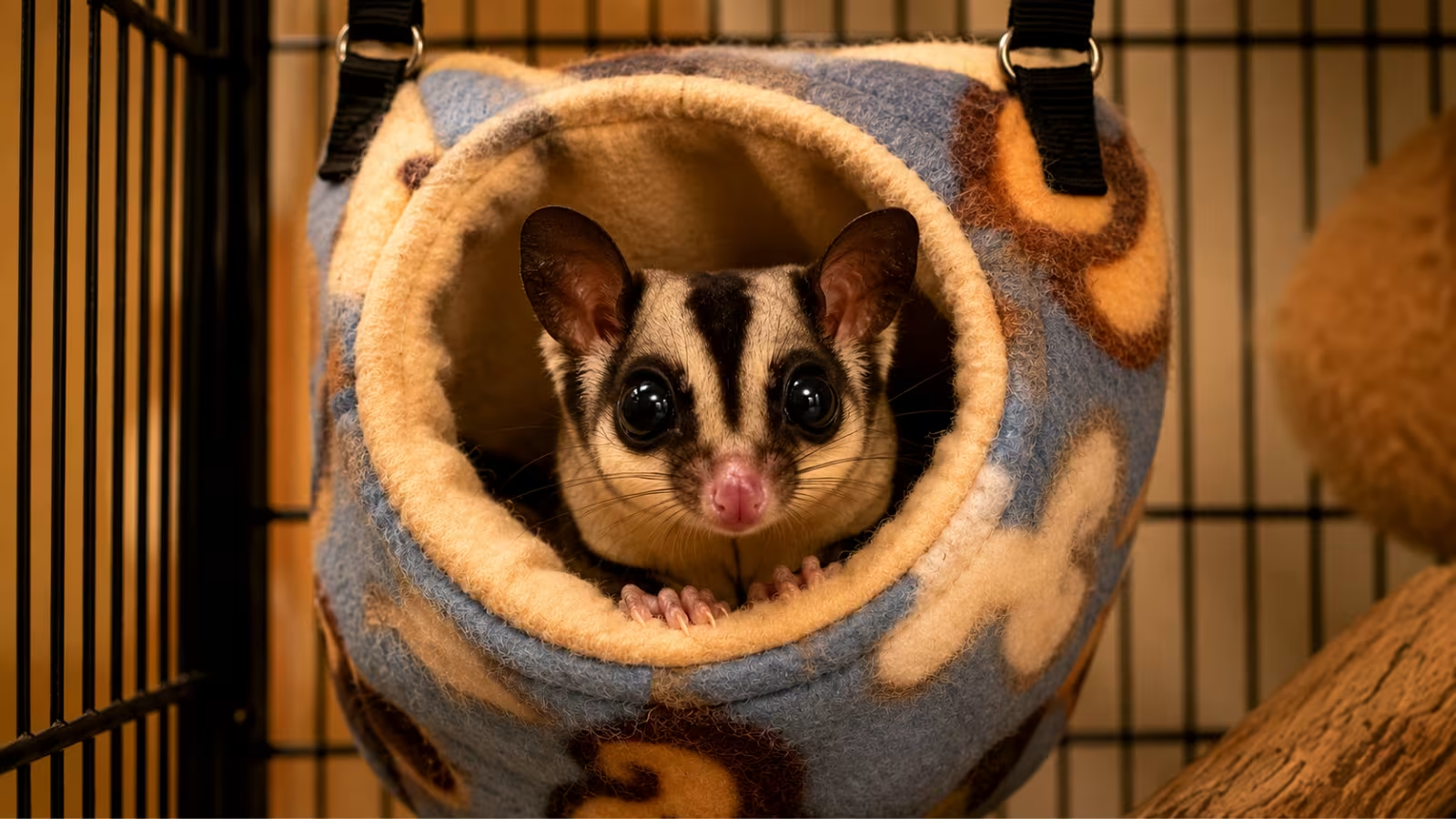
Yes, and it’s worth repeating, because many new owners panic unnecessarily.
Chewy’s small pet behavior guide confirms that sugar gliders naturally “bark like tiny puppies to communicate, especially at night.” It’s part of their core behavioral toolkit, not a sign that something has gone wrong.
In the wild, sugar gliders live in colonies in forest canopies across Australia, Indonesia, and Papua New Guinea. Staying in contact with group members especially in dense, low-visibility environments depends on vocal communication. Barking is one of several calls they use for exactly that purpose.
Normal barking usually:
- Happens occasionally, not constantly
- Mostly occurs during nighttime hours
- Stops after a short period
- Isn’t accompanied by signs of illness, stress, or behavioral changes
Bottom line: If your glider is eating normally, active at night, and otherwise behaving well occasional barking is nothing to worry about.
Sugar Glider Sounds: Quick Reference Guide
Before going deeper into barking, it helps to know where barking fits within the full range of sugar glider vocalizations.
| Sound | What It Means |
|---|---|
| Barking | Attention-seeking, communication, excitement, or boredom |
| Crabbing | Fear, distress, or warning — sounds like a locust swarm |
| Purring / Chirping | Contentment, happy communication |
| Hissing | Discomfort, warning, or mild agitation |
| Whining | Annoyance or fussing, often between cagemates |
According to PangoVet’s vet-reviewed behavior guide, barking is different from crabbing. Crabbing is specifically a fear or stress response. Barking covers a much wider emotional range including excitement and social calling. Knowing the difference helps you respond appropriately rather than overreacting to normal behavior.
Common Reasons Why Sugar Gliders Bark
1. Attention Seeking
This is probably the most common cause and the easiest to fix.
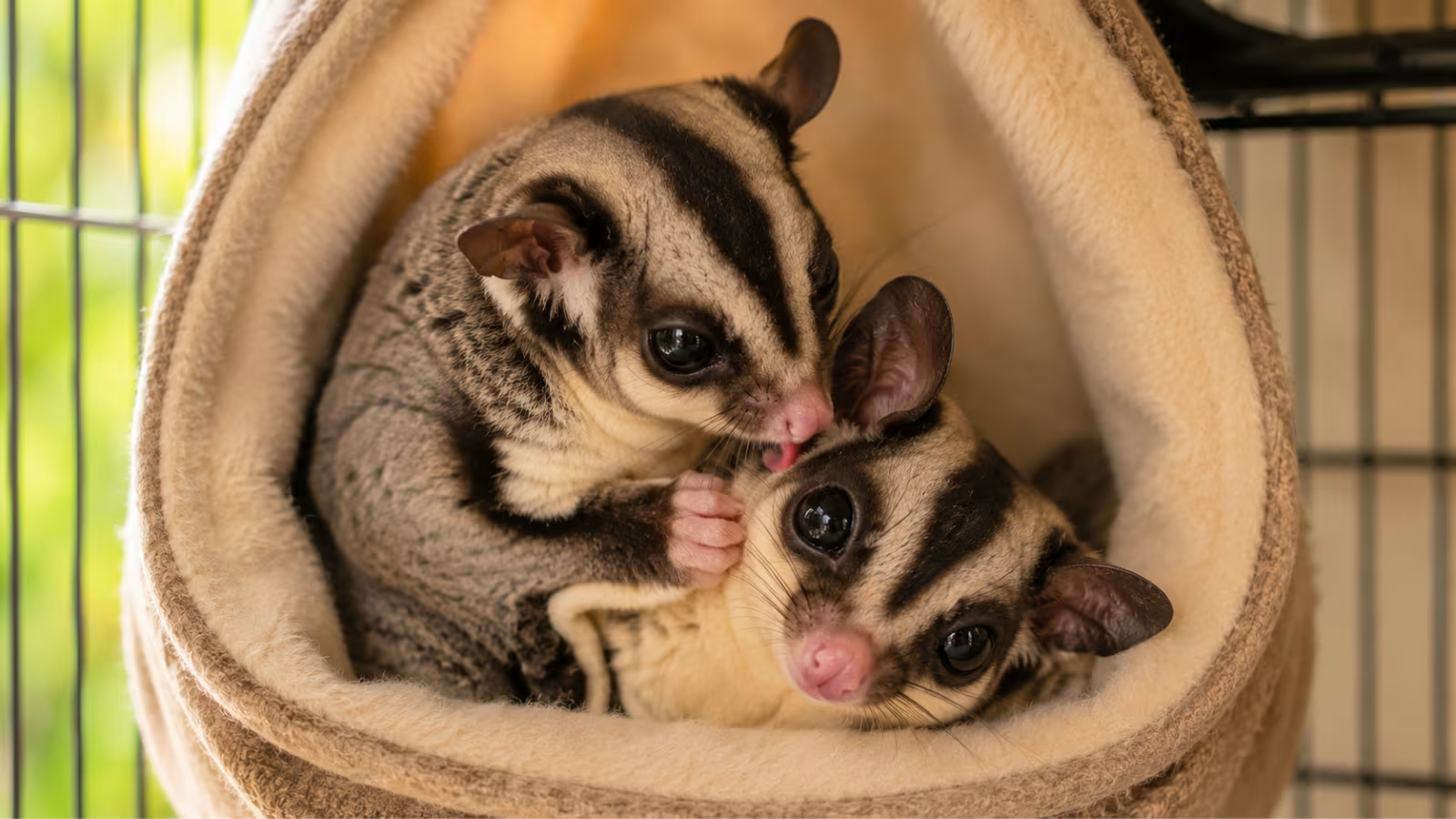
Sugar gliders form deep social bonds. With their owners, with cage mates, with anyone they trust. When they feel ignored, bored, or left out of the action, barking is their way of saying “hey, I’m over here.”
Signs this is the cause:
- Barking stops immediately when you approach
- They get visibly excited when you talk to them
- Barking peaks during their active nighttime hours
- You’ve been less available lately due to schedule changes
This is especially common in single-glider households. A solo glider has only you to call for company.
What you can do:
- Spend at least 30–60 minutes of bonding time daily
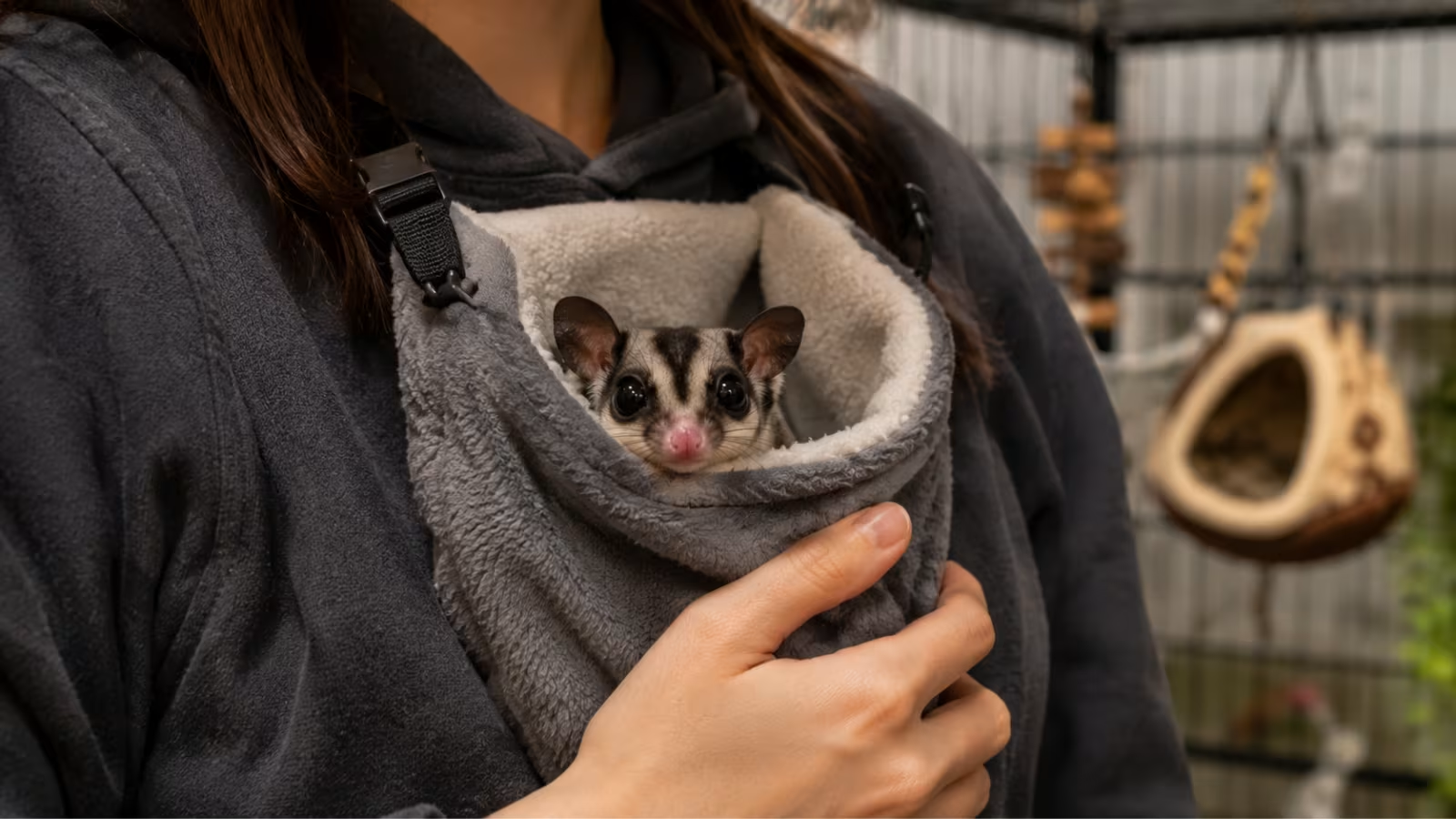
- Carry them in a bonding pouch during evening activities
- Offer safe enrichment toys during active hours
- Consider a compatible companion glider
2. Loneliness and Isolation
This one is important, and a lot of owners underestimate it.
Sugar gliders are colony animals. In the wild, they sleep in groups, groom each other, and maintain constant contact through the night. A lone sugar glider in a cage no matter how much you love it is still missing something fundamental.
Furry Critter Network’s behavior resource puts it plainly: “Social needs cannot be fully met by human interaction alone. Even the most devoted owner cannot replicate the constant companionship, mutual grooming, and sleeping contact that another glider provides.”
Signs of loneliness:
- Constant nighttime barking with no obvious trigger
- Reduced activity or lethargy
- Sleeping far more than usual
- Loss of appetite
- Depression-like behavior over time
Long-term isolation can lead to chronic stress and gradual emotional decline. If your solo glider is persistently barking at night, adding a compatible companion through proper introduction protocols is often the single most effective solution.
My Advice: If you’re keeping just one sugar glider, plan for at least an hour of daily hands-on interaction. It won’t fully replace a companion, but it does make a meaningful difference.
3. Alerting to Sounds or Movement
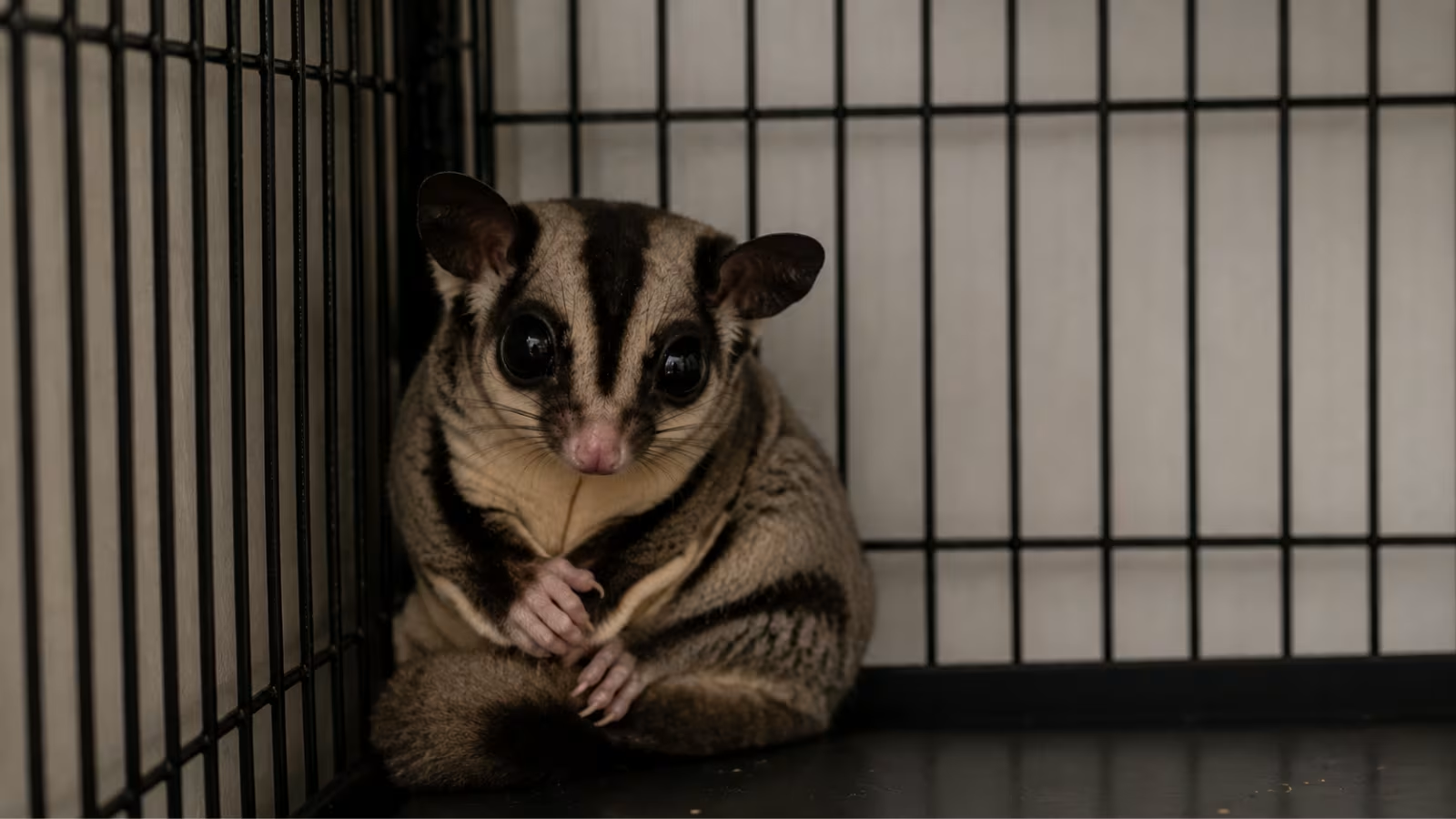
Sugar gliders evolved as prey animals. Their senses are sharp, their alert responses are fast, and anything unfamiliar in their environment can trigger a vocal reaction.
Your glider might bark at:
- A dog barking outside
- The TV in another room
- A ceiling fan turning on
- Thunderstorm sounds
- Headlights moving across a wall
- Other pets moving nearby
- People walking past the cage
This behavior is purely instinctive. It usually stops once the disturbance passes or the environment settles.
If your glider barks and then goes back to normal activity exploring, eating, playing it was just an alert response. Nothing to worry about.
4. Territorial and Social Communication
Sugar gliders use vocalizations to establish presence and communicate social status within a group.
This kind of barking tends to increase:
- When a new glider is introduced to the home
- After cage rearrangements or moves
- When unfamiliar scents appear near the cage
- In multi-glider households during social interactions
Mild territorial barking is normal. Watch for escalation into aggression or persistent conflict between cage mates that’s when it needs intervention.
5. Stress and Anxiety
This is where barking can become a red flag.
Sugar gliders are sensitive animals. Environmental changes, poor habitat setup, improper temperatures, or a chaotic household can push them into a state of ongoing stress and that often shows up as increased vocalization.
Common stress triggers:
- Sudden changes to the cage or room
- Cage placed near loud appliances or TVs
- Lack of hiding spaces or sleeping pouches
- Inadequate cage size
- Frequent handling by strangers
- Temperature fluctuations
- Bright artificial lighting overnight
Signs stress is causing the barking:
- Excessive crabbing alongside barking
- Fur loss or overgrooming
- Hiding constantly during active hours
- Refusing food
- Aggression when handled
- Pacing or repetitive movements
If you’re seeing two or more of these alongside increased barking, take a hard look at the environment first before assuming illness.
6. Hunger, Thirst, or Physical Discomfort
Sometimes the message is simple: something basic is wrong.
PangoVet notes that sugar gliders may bark at their owners specifically when they need something like food or water. Before assuming emotional causes, check the obvious:
- Is the water bottle working and accessible?
- Was the evening feeding delayed or missed?
- Is the food fresh and appropriate?
- Is the cage temperature within the correct range?
A quick check of basics takes 30 seconds and eliminates a common cause.
Normal vs. Concerning Barking – Know the Difference
| Normal Barking | Concerning Barking |
|---|---|
| Occasional, a few times per night | Constant, every night for hours |
| Stops after short periods | Continues regardless of your response |
| No accompanying symptoms | Paired with lethargy or appetite loss |
| Active and eating normally | Hiding, refusing food, weight loss |
| Responsive and social | Withdrawn, uninterested in interaction |
| Triggered by identifiable sounds | Unprovoked, random distressed calls |
| Stops when you interact | Continues even with your presence |
This table is the fastest way to assess your situation. If you’re solidly in the left column you’re fine. Right column symptoms that persist deserve attention.
Why Sugar Gliders Bark More at Night
New owners frequently worry about nighttime barking because the house is quiet and the sound carries. But nighttime is simply when sugar gliders are most alive.
Their natural activity window peaks from late evening through early morning. During those hours they explore, forage, climb, glide, groom, and yes communicate. Barking is part of normal nighttime activity for an otherwise healthy glider.
The silence of the house just makes it more noticeable.
If the barking feels manageable and your glider is active and social during those hours, it’s almost certainly normal nocturnal behavior. Placing the cage in a room that’s slightly separated from bedrooms is a practical solution many owners use without any negative impact on the glider’s wellbeing.
Can Sugar Gliders Bark When Sick?
Barking alone isn’t typically a direct illness symptom. But a sugar glider in pain, discomfort, or declining health may vocalize more than usual or differently than usual.
Watch for these warning signs alongside unusual barking:
- Noticeable weight loss
- Loose or abnormal droppings
- Labored or audible breathing
- Refusal to eat or drink
- Excessive lethargy during nighttime hours
- Difficulty climbing or moving
- Discharge from eyes or nose
- Dehydration, such as skin tenting or sunken eyes
If barking is accompanied by any of these physical symptoms, this is an exotic vet situation not a “wait and see” situation. Sugar gliders can decline quickly when ill, and early treatment makes a significant difference in outcomes.
Common Mistake: Many owners attribute physical illness symptoms to stress and delay vet visits. If behavioral changes are paired with physical symptoms, don’t wait.
When Barking Becomes a Serious Concern
Escalate your concern if:
- Barking increases dramatically with no environmental explanation
- Your glider appears visibly distressed during or after barking episodes
- They stop eating or drinking
- Unexplained aggression develops
- Self-mutilation begins
- Barking continues for hours every night despite environmental improvements
- Multiple behavioral changes appear simultaneously
The barking itself is rarely the problem. It’s the pattern of behavioral changes around it that tells the real story.
How to Calm a Barking Sugar Glider
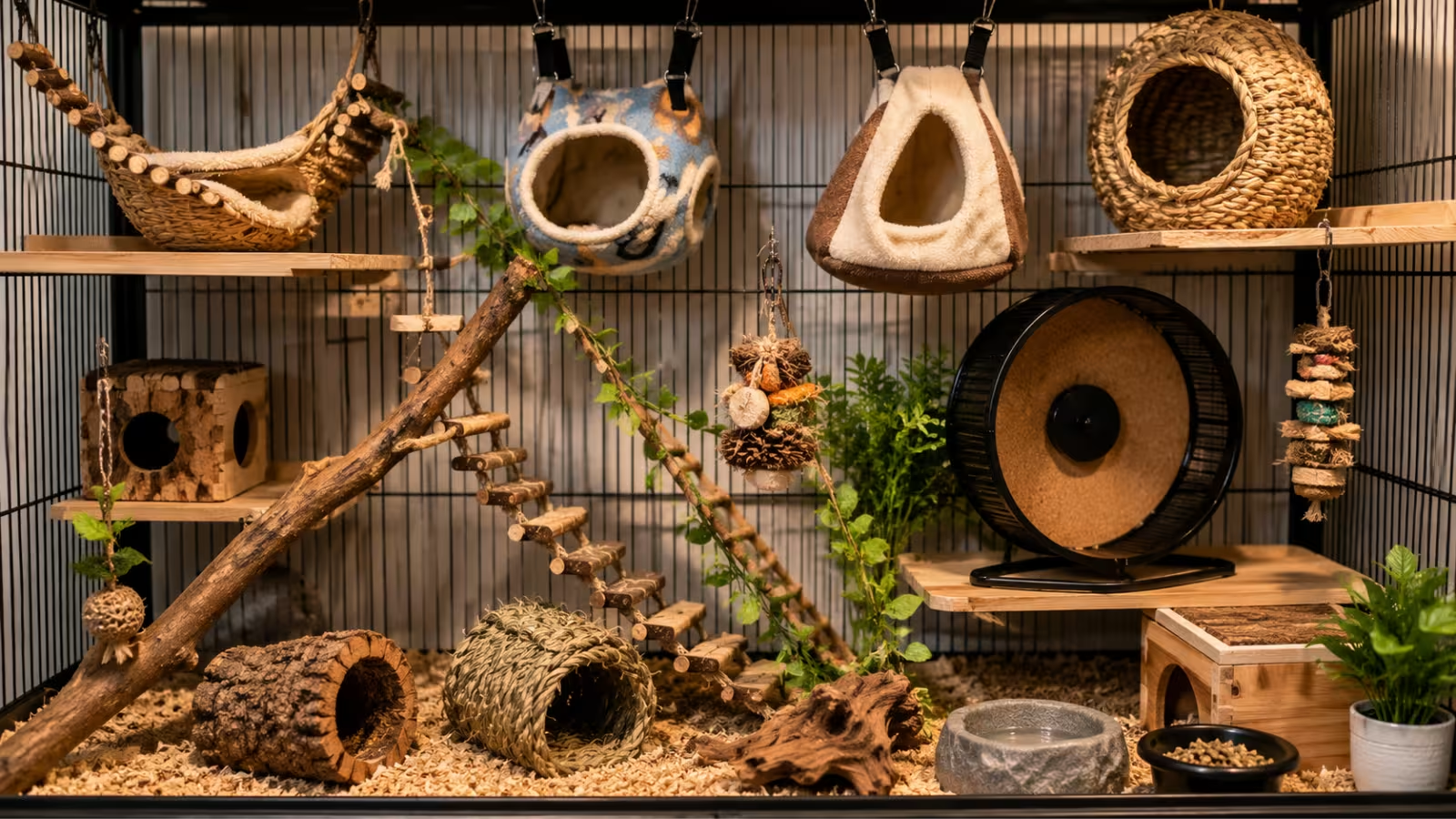
Build a Habitat That Feels Safe
Poor habitat setup is one of the most underrated causes of stress vocalizations. Furry Critter Network notes that “a bare cage with a food dish and water bottle creates boredom, and bored gliders express their frustration through persistent vocalization.”
Your glider’s cage should include:
- Minimum cage size: 24″ x 24″ x 36″ tall
- Multiple climbing branches at varying heights
- At least two sleeping pouches
- Safe, engaging toys
- A glider-appropriate exercise wheel
- Foraging opportunities
- Quiet resting areas away from cage traffic
The taller the cage, the better. Sugar gliders are vertical animals height matters more than floor space.
Increase Social Interaction
This is the most impactful single change most owners can make.
Practical ways to build the bond:
- Talk softly to your glider during their active hours
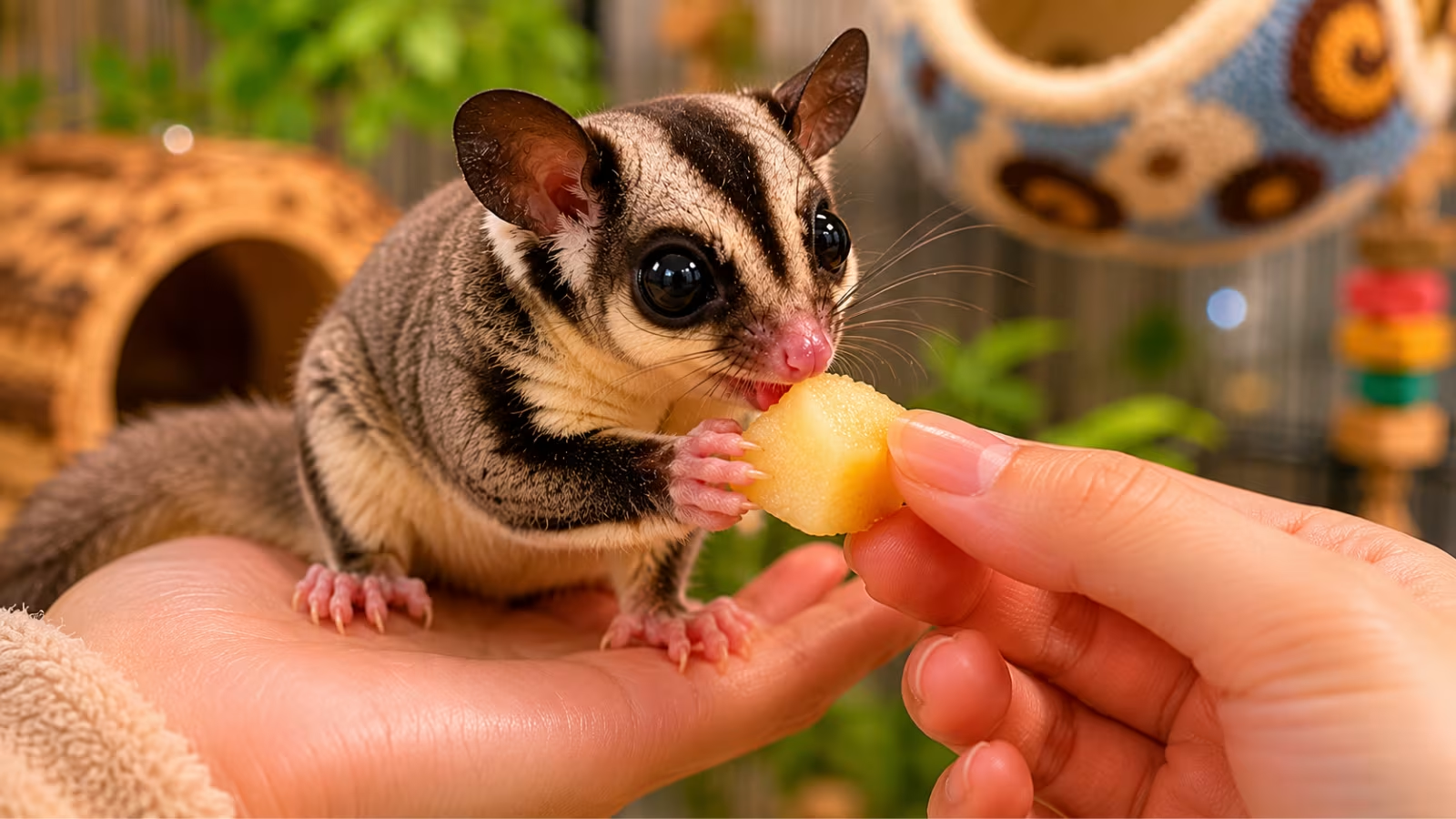
- Hand-feed small treats to build positive associations
- Use a bonding pouch for passive time together while you watch TV or read
- Allow supervised out-of-cage playtime in a safe space
- Establish a pre-bedtime routine of 30–60 minutes of interaction
Consistent interaction reduces anxiety-driven barking significantly over time.
Check and Optimize Cage Placement
Where the cage sits matters more than most people realize.
Avoid placing the cage:
- Directly beside a television or speaker
- In a room with bright overnight lighting
- Near other pets that the glider can hear but not see
- In high-traffic areas with frequent disruption
- Near air vents that cause temperature fluctuations
- In areas where outdoor animal sounds are prominent
Sugar gliders prefer calm, stable, predictably quiet environments. A spare bedroom with consistent temperature and low foot traffic is usually ideal.
Maintain Proper Temperature
Sugar gliders are sensitive to cold. They do best in temperatures between 75°F and 88°F, or 24°C to 31°C.
Cold environments increase physical discomfort and stress. Sudden drops like opening a window in winter near the cage, or placing them near an air conditioner can cause real distress that shows up as increased vocalization.
Keep temperature consistent. Avoid drafts. If your home runs cold, a small space heater near, not directly beside, the cage can help.
Try a Night Light
This is a lesser-known tip that some owners swear by. PangoVet mentions that anecdotally, keeping a soft night light on near the cage may help reduce barking in the dark. The reasoning is that visual context reduces startle responses and anxiety in a completely dark environment. It’s worth trying if nighttime barking is a persistent issue.
Common Mistakes Owners Make
Ignoring Emotional and Social Needs
New owners often focus heavily on food and cage setup which matters but overlook daily social interaction. Sugar gliders aren’t fish. They need emotional engagement, not just maintenance. An under-stimulated, under-socialized glider will almost always develop vocal and behavioral problems over time.
Keeping a Single Glider Without Extra Compensation
Solo sugar gliders can thrive, but they require significantly more time investment from their owner. If you can’t commit to an hour or more of daily bonding time consistently, a companion glider isn’t just a nice idea it’s an animal welfare consideration.
Using a Cage That’s Too Small
A cage that limits movement creates frustration. Frustrated sugar gliders bark more, pace, and show other signs of stress. If your cage is smaller than the recommended minimum, upgrading it is one of the highest-impact changes you can make.
Punishing Barking
Never discipline a sugar glider for vocalizing. Raising your voice, covering the cage, or creating a negative association with barking will:
- Increase fear and stress
- Damage the trust you’ve built
- Cause defensive behavior, such as more crabbing or biting
- Make the underlying problem worse
Barking is communication. Respond to the message, not the noise.
Responding Inconsistently
Some owners accidentally train their gliders to bark more by responding inconsistently sometimes ignoring it, sometimes rushing over. Sugar gliders pick up on behavioral patterns. Establishing predictable routines for feeding, bonding, and bedtime reduces anxiety-driven calling.
Expert Tips for Reducing Excessive Barking
Rotate Enrichment Weekly
Furry Critter Network emphasizes that sugar gliders need “climbing structures, foraging opportunities, wheels designed for gliders, and toys that rotate regularly to maintain novelty.” Keeping the same toys in the cage indefinitely is a fast route to boredom.
Rotate items weekly:
- Hanging ropes and vine balls
- Foraging toys with hidden food
- Safe natural branches, such as apple or eucalyptus
- Puzzle feeders
- Crinkle toys and tunnels
Even small changes rearranging existing items can re-engage a bored glider.
Establish a Consistent Nighttime Routine
Sugar gliders are creatures of habit. Predictability reduces anxiety.
A routine might look like:
- 7:00 PM — Fresh food placed in cage
- 7:30 PM — Bonding pouch time or supervised play
- 8:30 PM — Return to cage, lights dimmed
- Consistent from night to night
Routine teaches your glider what to expect. Gliders that know what’s coming tend to be calmer and less vocal out of anxiety.
Monitor Subtle Behavioral Changes
Excessive barking is often one early signal in a larger pattern.
Track:
- Daily food intake
- Weight, using a kitchen scale weekly
- Droppings consistency, color, and frequency
- Activity levels during nighttime hours
- Grooming behavior
Many health problems show up here before obvious physical symptoms appear. Catching changes early gives you more time and better outcomes.
How to Tell if Your Sugar Glider Is Happy
A healthy, emotionally secure sugar glider typically:
- Eats enthusiastically during their active hours
- Grooms themselves regularly without overgrooming
- Moves freely, climbs, and glides with confidence
- Sleeps deeply and undisturbed during daytime
- Engages curiously with toys and environmental changes
- Accepts handling with minimal crabbing
- Vocalizes occasionally without distress
Some barking is simply personality. Some gliders are chatty. Others are quieter. You’ll get to know your individual animal’s baseline and deviations from that are what matter.
When to Visit an Exotic Vet
Contact a qualified exotic animal veterinarian if your sugar glider:
- Stops eating or drinking for more than 24 hours
- Shows signs of lethargy during nighttime active hours
- Has labored, audible, or rapid breathing
- Begins self-mutilating
- Experiences noticeable fur loss
- Develops sudden, dramatic behavioral changes
- Has loose, bloody, or very dark droppings
- Loses weight visibly over a short period
Not all veterinarians have experience with exotic marsupials. Look specifically for a vet with exotic small mammal experience. The Association of Exotic Mammal Veterinarians maintains a searchable directory to help you find a qualified specialist near you.
Final Thoughts
That midnight barking might have woken you up the first few times. It’s startling. But understanding what it means changes everything.
A sugar glider that occasionally barks, eats well, stays active, and bonds with you normally is almost certainly fine. Barking is part of who they are vocal, social, expressive little animals that were never designed to be silent.
What matters is the pattern. Consistent, excessive barking combined with stress signs, physical symptoms, or major behavioral changes is your signal to look deeper at the environment, the social situation, or your vet’s phone number.
Most problems resolve with better enrichment, more consistent bonding, appropriate companionship, and a stable habitat. Get those basics right, and nighttime becomes a lot more peaceful for both of you.
FAQ Section: Questions You Might Have
Nighttime is their active period, so some barking is completely expected. If it’s excessive or distressed-sounding, check for loneliness, environmental triggers, inadequate enrichment, or signs of stress.
Not usually. Occasional barking is normal communication. Persistent barking paired with behavioral or physical changes is worth investigating.
Yes, and this is one of the most common causes especially in solo-housed gliders. Colony animals communicate partly to locate each other, and a glider with no companion may bark repeatedly to call out.
Sudden increases usually point to an environmental change, a new sound source nearby, stress, or an early health issue. Audit the environment first, then consider a vet check if it continues.
Brief, occasional barking yes, it’s fine to leave it. Persistent, distressed, or newly excessive barking deserves investigation. Don’t ignore changes from your glider’s normal baseline.
Sometimes. Barking during active nighttime hours, especially when exploring or interacting, can simply be excited communication. Context tells you far more than the sound alone.
Crabbing (the locust-like sound) is different from barking and indicates fear or threat response. Chirping and purring indicate contentment. Exotic Nutrition’s sound guide has a helpful breakdown of the full range of sugar glider vocalizations.