

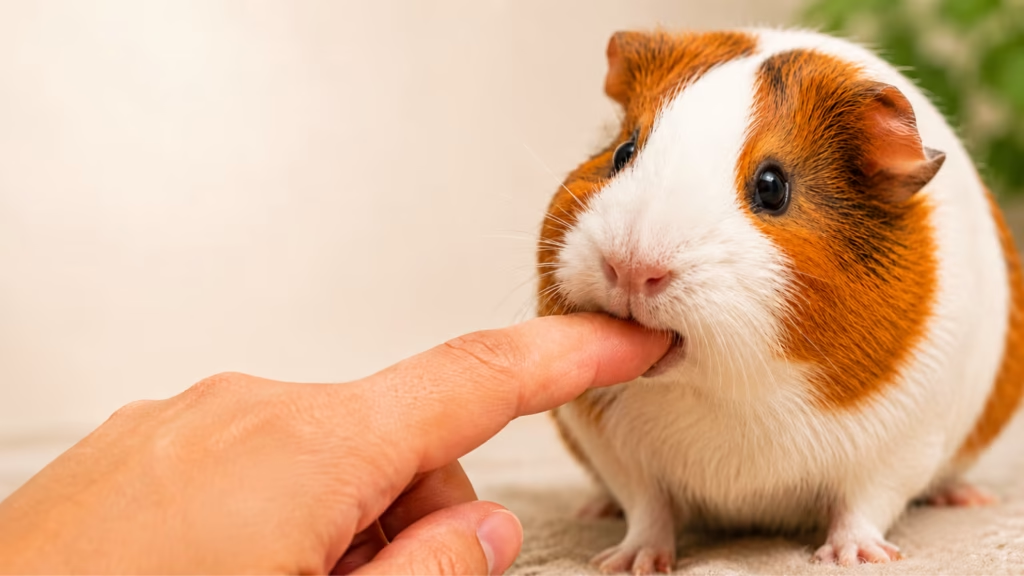
Here's what you need to know: yes, guinea pigs can bite. Most biting is preventable. And understanding the reason matters more than you'd think.
In this guide, you'll learn why guinea pigs bite, how painful bites actually are, warning signs to watch for, and practical ways to stop biting behavior. By the end, you'll have the knowledge to build a trust-based relationship with your guinea pig and handle potential biting situations with confidence.
Do Guinea Pigs Bite? Yes But It's Usually Rare
Let's be direct: guinea pigs can bite. It's not something to panic about, though.
Most guinea pigs are naturally gentle creatures. They're prey animals in the wild, which means their survival instinct is to run and hide not to fight. When a guinea pig bites, it's almost always a last-resort communication tool, not an aggression issue.
Think of it this way: your guinea pig bites because it's trying to tell you something. Fear. Pain. Stress. Discomfort. Once you understand the message, the biting usually stops.
Is Biting Normal for Guinea Pigs?
Occasional nibbling? Yes, completely normal. Repeated, aggressive biting? That's a sign something is wrong.
Guinea pigs have a defensive instinct just like any animal. When they feel threatened or unsafe, they may bite. This is prey-animal psychology they're wired to protect themselves when flight isn't an option.
The key difference is between an occasional nip (communication) and frequent, hard bites (a sign of deeper stress, pain, or illness). A well-socialized, healthy guinea pig will rarely bite its owner. But if biting becomes a pattern, something needs to change.
Why Do Guinea Pigs Bite?
Understanding the "why" is half the battle. Guinea pigs don't bite for no reason. Here are the most common culprits.
Fear or Stress
A new environment is terrifying for a guinea pig. New sights, sounds, and smells all feel like threats.
Loud noises vacuum cleaners, kids playing, dropped dishes can send your guinea pig into panic mode. When they're scared and you pick them up, a bite might be their way of saying, "Put me down now."
Sudden movements also trigger fear. If you reach into the cage too fast or grab your guinea pig without warning, they're likely to react defensively.
Pro Tip: Let your guinea pig adjust to their new home for at least a week before expecting calm behavior. Speak softly, move slowly, and give them time to trust.
Improper Handling
This is one of the biggest mistakes new guinea pig owners make.
If you pick up your guinea pig incorrectly gripping too tightly, not supporting their back legs, or making them feel like they're falling they'll panic and bite. Guinea pigs are not meant to be squeezed or held like a hamster.
Holding them too tightly is also a quick way to trigger a defensive response. They feel trapped. When an animal feels trapped, it will often bite.
My Personal Advice: Always support your guinea pig's entire body. Use both hands. Move slowly and deliberately. Let them know exactly what you're doing.
Pain or Illness
A guinea pig in pain will bite. This is important to understand.
Even a small injury a split foot pad, a broken tooth, or an internal issue you can't see will make your guinea pig defensive. They're protecting themselves from further harm.
Dental problems are especially common. Guinea pig teeth never stop growing. If their teeth are overgrown or misaligned, eating and even touching the mouth area becomes painful.
Skin pain from mites or fungal infections is another surprisingly common hidden cause of biting. A guinea pig with mites will be itchy, sensitive to touch, and may bite suddenly when you pet their back or rear. If your guinea pig flinches, scratches excessively, or has scabby/dandruff-like skin, a vet check for parasites is essential. Treatment is simple, and biting often stops within days.
Hidden sickness is also a possibility. Respiratory infections, urinary issues, and other illnesses cause discomfort. A normally gentle guinea pig might suddenly bite when they're sick.
When to Worry: If your guinea pig's biting behavior is new, sudden, or accompanied by other signs (loss of appetite, less activity, scruffy fur), get a vet check immediately.
Territorial Behavior
Guinea pigs are social but also territorial. They have their own space, and they like to control it.
Cage aggression is real. Some guinea pigs especially males in multi-pig households will bite when you reach into their territory. It's their way of saying, "This is mine."
Resource guarding also happens. If your guinea pig is protecting food, a favorite toy, or a hiding spot, they might bite if you get too close.
Hunger or Food Confusion
Your guinea pig smells vegetables on your fingers. Guess what happens?
Sometimes the bite isn't aggressive it's just confusion. Your guinea pig sees your finger, smells carrot or apple, and gives it a test nip. It's exploratory behavior that feels like a bite to you.
This is especially common during feeding time or if you've recently handled fresh food.
Overstimulation
Too much petting wears a guinea pig out. They love attention, but only in small doses.
Some guinea pigs will tolerate petting for a few minutes before wanting to leave. If you keep petting them past that point, they might nip at your hand to communicate, "I'm done now."
When your guinea pig is clearly trying to return to their cage or hiding spot, let them go. Forcing continued interaction leads to bites.
Hormonal or Personality Differences
Young guinea pigs are like teenagers. They're curious, energetic, and sometimes a bit mouthy.
Dominance behavior is also a factor, especially in males. Some guinea pigs are simply more assertive by nature. This doesn't mean they're aggressive just that they test boundaries more than others.
Spaying or neutering can help reduce hormonal-driven biting in multi-pig households and even solo guinea pigs.
Being Woken Up Suddenly
This is a commonly overlooked cause. Guinea pigs that are startled awake especially if you reach into the cage while they're sleeping in a hide may bite out of pure reflex. Always make a small noise or gently announce your presence before reaching in. Let them wake up on their own terms.
Unfamiliar Scent
If you've recently handled another animal, used a new lotion, or come home smelling like something unfamiliar, your guinea pig might react defensively or give a curious (but sharp) investigatory nip. Washing your hands before handling sessions is a simple habit that prevents these mix-up bites.
Nibbling vs. Biting: What's the Difference?
Not all mouth contact is a bite. Here's what your guinea pig is actually trying to tell you.
| Behavior | Meaning | Should You Worry? |
|---|---|---|
| Gentle nibbling on fingers | Curiosity or affection | No |
| Small nip during interaction | Communication (e.g., "I'm done") | Usually not |
| Hard bite that breaks skin | Fear, pain, or stress | Yes investigate immediately |
| Repeated bites in quick succession | Aggression or severe stress | Yes seek help |
Exploratory Mouth Behavior
Guinea pigs explore the world with their mouths. They'll nibble on fingers, bars, toys, and anything new.
This gentle nibbling is part of their normal behavior. It's not a bite. It doesn't mean your guinea pig is aggressive. It means they're investigating and learning.
"Love Nibbles"
Some guinea pigs will give soft, gentle nibbles as a sign of affection or bonding.
If the nibbling is painless and gentle, and your guinea pig is relaxed, it's probably friendly exploration or affection. If it's hard enough to draw attention or cause discomfort, it's communication that they want space.
Escalation Signs
The path from gentle nibbling to a serious bite usually has warning signs.
If your guinea pig starts with a nip and you don't respond, the next one might be harder. If you keep forcing interaction after the first warning, you'll get a more serious bite.
Red Flag: If your guinea pig is chattering teeth, squirming, or trying to escape, a bite is coming. Stop what you're doing and give them space.
Do Guinea Pig Bites Hurt?
How Painful Are Guinea Pig Bites?
Let's be honest: yes, they hurt but it's not severe.
A guinea pig bite feels like a fast, sharp pinch, similar to a strong stapler or a crabapple seed being pressed into your skin. The front incisors leave two small parallel marks. It's startling more than agonizing, and the sting fades within minutes for most bites.
The pain level depends on how hard your guinea pig bit and which part of your body they got. A bite on the fleshy part of your hand hurts less than one on your finger.
Can Guinea Pig Bites Break Skin?
Yes, it's possible. Guinea pig teeth are sharp, and a fearful or defensive bite can break the skin.
Fearful bites tend to be harder than bites from overstimulation. A guinea pig that's terrified or in pain will bite with more force. They're trying to make you release them immediately.
Most of the time, though, guinea pig bites don't break skin. You might see a mark or slight bruise, but actual wounds are less common.
What to Do If a Guinea Pig Bites You
Here's the step-by-step:
- Stay calm. Your guinea pig is stressed, and your reaction matters. Don't yell or jerk away dramatically.
- Wash the wound. Use soap and warm water. Scrub gently for 20–30 seconds.
- Disinfect. Apply an antibiotic ointment like Neosporin if the skin is broken.
- Watch for swelling. Monitor the bite for the next 24–48 hours. Some swelling is normal.
- Seek medical advice if needed. If the bite is deep, won't stop bleeding, or shows signs of infection (increasing redness, warmth, pus), contact a healthcare provider.
Guinea pig bites rarely lead to serious infections, but it's not impossible. Basic wound care is all you usually need.
Do You Need a Tetanus Shot After a Guinea Pig Bite?
This is a question many owners don't think to ask. If your skin is broken and you haven't had a tetanus booster in the past 5–10 years, it's worth consulting your doctor. Tetanus risk from guinea pig bites is very low, but it's not zero especially if the wound is deep or dirty. When in doubt, call your healthcare provider. Better safe than sorry.
Signs Your Guinea Pig Is About to Bite
Knowing these warning signs gives you time to prevent the bite altogether.
Teeth Chattering
This is the most obvious sign. Your guinea pig is literally grinding their teeth together rapidly.
This sound is a clear threat signal. It means your guinea pig is stressed, scared, or angry. They're warning you before they bite.
Squirming or Trying to Escape
If your guinea pig is struggling in your hands or pushing away from you, they want out.
Don't hold them tighter. Don't try to calm them by continuing what you're doing. Release them gently and let them go back to their cage.
Sudden Freezing
A guinea pig that suddenly goes rigid and still is about to react.
This freeze response is what comes right before a bite or a dash away. Their muscles are tensed. They're about to move fast.
Raised Head or Defensive Posture
A guinea pig with their head raised, ears back, and body stiffened is in defensive mode.
This posture says, "Back off." It's the body language equivalent of teeth chattering.
Loud Vocalization
Squeaking, chirping, or any sudden vocalizations during interaction are warning signs.
Your guinea pig is communicating distress. It's their last warning before physical defense.
Quick Visual Checklist
If you notice 2–3 of these signals together, give your guinea pig space immediately:
- Teeth chattering
- Squirming or pushing away
- Head raised, ears back
- Loud vocalizations
- Refusing to settle in your hands
- Rapid breathing while being held
Why Did My Guinea Pig Suddenly Bite Me?
A behavior change is always worth investigating. Your guinea pig used to be gentle, and now they're biting. What happened?
Stress From Environment Changes
A new cage setup, new roommates, relocated housing, or even a change in your routine can stress your guinea pig.
Stress triggers defensive behavior. Your guinea pig isn't becoming aggressive—they're becoming fearful.
Environmental stressors are often the #1 culprit behind sudden biting. Take a look at what's changed in your guinea pig's world.
Pain or Illness
This is crucial: a sudden change in behavior is often a health issue.
If your guinea pig was never a biter and suddenly is, dental problems, infections, or injuries could be responsible. The pain makes them defensive.
Never ignore a sudden behavior change. Schedule a vet appointment to rule out health problems first.
Trust Isn't Built Yet
Maybe you just brought your guinea pig home. Biting is their way of saying, "I don't know you yet."
New guinea pigs need time to adjust and build trust. This can take weeks or even months. During this period, some defensive biting is normal.
Expert Insight: Many new guinea pig owners mistake fear responses for aggression. They are not the same thing. Aggression is intentional harm. Fear biting is self-defense. Once you understand the difference, handling the behavior becomes much easier.
Smell of Food on Hands
You just made a salad. Your fingers smell like fresh vegetables. Your guinea pig investigates with their mouth. This isn't really a "bite" it's curiosity and food confusion. It happens, and it's harmless.
Mood or Hormonal Shifts
Guinea pigs have good days and bad days, just like you.
Female guinea pigs also have hormonal cycles that affect their mood. During certain times of the month, they might be more irritable or defensive.
Spaying can reduce these hormonal swings if your female guinea pig is particularly moody.
New Pet or Animal in the Home
If you recently introduced a new pet another guinea pig, a dog, a cat your guinea pig may be stressed by the new smells, sounds, or perceived threats. Even if the animals never physically interact, the presence of a predator species nearby (like a cat sitting near the cage) can keep a guinea pig in a near-constant state of stress and make them more bite-prone.
How to Stop a Guinea Pig From Biting
Now that you understand the "why," let's talk solutions. Most biting behavior is preventable and reversible.
The Most Important Rule: Never Punish
Never punish a guinea pig for biting. No nose-tapping, no blowing in their face, no yelling, and definitely no putting them in "time-out" outside their cage. Punishment doesn't teach them anything except that you're dangerous. A punished guinea pig will bite more often, not less. Instead, calmly return them to their cage and analyze what triggered the bite.
Build Trust Slowly
Trust is the foundation of everything. A guinea pig that trusts you is unlikely to bite.
Hand feeding is one of the best ways to build trust. Offer a piece of carrot or bell pepper from your hand. Let your guinea pig take it gently. Do this daily for a few weeks.
Quiet bonding also works. Sit near your guinea pig's cage and just exist together. Talk softly. Let them get used to your presence and voice without pressure.
Pro Tip: Let your guinea pig approach you first. Don't always be the one reaching for them. This gives them control and builds confidence.
Learn Proper Handling Techniques
Safe lifting is non-negotiable. Always support your guinea pig's entire body with both hands.
Slide one hand under their front legs and chest. Place your other hand under their back legs. Lift slowly and keep them close to your body. Never let them dangle.
Hold them at chest height when possible. This makes them feel secure and less likely to panic.
Use a towel or fleece lap pad. When holding your guinea pig for more than a minute, place a small towel or fleece square on your lap. This does two things: it gives them non-slip footing (reducing panic), and it absorbs any accidents. Many "bites" during lap time are actually overstimulation from slippery or exposed skin a towel fixes both.
Practice these techniques when your guinea pig is calm. Start with short handling sessions just 2–3 minutes. Build up gradually.
Respect Boundaries
Avoid forcing interaction. If your guinea pig wants to hide, let them hide.
If they're clearly done being held, put them down. If they're sitting quietly in their cage, don't assume they want to be picked up.
Respecting boundaries actually builds trust faster than forcing togetherness.
Create a Calm Environment
Reduce stressors wherever possible.
Keep the cage in a quiet area away from doors, loud appliances, and high-traffic zones. Maintain a consistent routine. Keep handling times at regular intervals.
Cage size matters too. A guinea pig in a cage that's too small will be chronically stressed, which leads to chronic biting. The minimum recommended cage size for one guinea pig is 7.5 square feet bigger is always better. A cramped guinea pig is a grumpy guinea pig.
A calm guinea pig is a happy guinea pig. A happy guinea pig is unlikely to bite.
Reward Calm Behavior
Positive reinforcement works. When your guinea pig stays calm while being held or petted, reward them with a treat.
When they interact gently, acknowledge it with a gentle voice. Guinea pigs respond to your tone and intention.
Over time, your guinea pig learns that gentle behavior gets them rewards.
Check for Health Problems
If biting is new or sudden, a vet consultation is mandatory.
Dental problems, infections, injuries, mites, and illnesses all cause behavior changes. Rule these out first before assuming it's a behavioral issue.
A good exotic vet can also assess your guinea pig's temperament and rule out pain responses.
Quick Bite Diagnosis Guide
| If your guinea pig… | Most likely cause |
|---|---|
| Nibbles gently while relaxed | Curiosity or affection |
| Bites once when picked up | Fear or improper handling |
| Bites when you reach into cage | Territorial behavior |
| Suddenly started biting (was gentle before) | Pain or illness see vet |
| Chatters teeth then bites | Overt stress warning ignored |
| Bites only during feeding time | Food confusion or resource guarding |
| Bites during petting sessions | Overstimulation |
| Bites after you've handled another pet | Unfamiliar scent triggering fear |
Common Myths About Guinea Pig Biting
Myth: "Guinea pigs bite for no reason." Truth: There's always a reason. You just haven't found it yet.
Myth: "Once a biter, always a biter." Truth: Most guinea pigs stop biting completely once the cause (fear, pain, handling) is fixed.
Myth: "Spraying water stops biting." Truth: It only increases fear. Never use aversive training on guinea pigs.
Myth: "Guinea pig bites are harmless and don't need treatment." Truth: Most bites are minor, but any broken skin should be cleaned and monitored. Deep bites or signs of infection warrant medical attention.
Myth: "A biting guinea pig is a bad pet." Truth: A biting guinea pig is a guinea pig with an unmet need. Address the need and the biting resolves in the vast majority of cases.
Can Guinea Pigs Bite Children?
Are Guinea Pigs Good Pets for Kids?
Guinea pigs can be wonderful pets for children, but age and supervision matter enormously.
Kids under 5 years old typically don't have the impulse control or strength control needed for safe guinea pig handling. They're likely to squeeze, grab suddenly, or handle too roughly.
Kids ages 8 and up, with supervision and training, can develop great relationships with guinea pigs.
How to Prevent Bites Around Children
Supervised handling is non-negotiable. Never leave a child and guinea pig alone together, no matter how well-behaved the guinea pig seems.
Gentle interaction rules must be clear. Teach children:
Guinea pigs are fragile—they can be injured by rough handling.
Never grab from behind or make sudden movements.
If the guinea pig tries to escape, let them go.
Wash hands after handling (for hygiene).
Guinea pigs don't like being startled awake or grabbed from hiding spots.
Always sit down before holding the guinea pig to reduce fall risk.
Demonstrate proper handling. Show your child exactly how to support the guinea pig's body, how to move slowly, and when to put them down.
Watch body language. Teach your child to recognize warning signs. If the guinea pig is squirming or chattering teeth, it's time to give them back.
Most guinea pig bites involving children happen because the child was handling the guinea pig roughly or incorrectly. Proper training prevents this.
Are Some Guinea Pigs More Likely to Bite?
Baby Guinea Pigs vs. Adults
Young guinea pigs are often more mouthy and curious than adults.
Babies (under 3 months) are still learning what they can and can't do. They'll nibble on everything, including fingers. As they mature, this exploratory behavior usually decreases.
Adult guinea pigs, especially those past 2 years old, tend to be calmer and less likely to bite if they're well-socialized.
Rescue Guinea Pigs
Guinea pigs from shelters or rescues might have a history of poor handling or stress.
These guinea pigs often take longer to trust and might bite more frequently at first. But with patience and proper handling, they usually improve dramatically.
Never assume a rescue guinea pig is permanently aggressive. Many are just scared.
Breed Differences
No breed is inherently more aggressive, but hairless guinea pigs (skinny pigs) are sometimes more sensitive to touch because they lack fur padding. They're not meaner they're just more easily overstimulated by direct skin contact. Use softer, slower petting with them.
Personality Differences
Some guinea pigs are naturally braver and more assertive. Others are shy and timid.
A bold guinea pig might test boundaries more. A shy guinea pig might bite out of fear more easily.
There's no "bad" personality type. Every guinea pig has a temperament you need to understand and work with.
Male vs. Female Guinea Pigs
Males (boars) can be more territorial, especially if kept together. Dominance-related biting between males is common and can escalate without proper cage space and resources.
Females (sows) tend to be slightly calmer in same-sex pairs, though hormonal cycles can cause temporary mood changes. A female who bites unpredictably may benefit from a vet check to rule out ovarian cysts, which are common in unspayed sows and are a surprisingly frequent cause of sudden aggression.
When Should You Worry About Guinea Pig Biting?
Occasional Bites vs. Aggression
One bite every few months? Probably not a big concern, especially if there's a clear trigger.
Frequent bites, unprovoked attacks, or escalating severity? That's a sign something deeper is wrong.
The difference is context and frequency. A fearful guinea pig might bite once. An aggressive guinea pig will bite repeatedly without clear provocation.
Signs of Illness
Sudden behavior change (from gentle to biting)
Loss of appetite
Decreased activity level
Scruffy or unkempt fur
Wheezing or sneezing
Dragging back legs or limping
Overgrown teeth visible in the front
Excessive scratching or flinching when touched
Bloated abdomen
Unusual posture or difficulty moving
Any of these warrant a vet visit.
When to Contact a Vet
Immediate vet visit:
- Multiple bites in a short timeframe
- Bite with no apparent trigger
- Behavioral change accompanied by other health signs
- Suspected dental problems
- Your guinea pig in obvious pain
Routine vet visit:
- Biting that continues despite your efforts to address it
- You suspect hormonal issues in a female guinea pig
- General behavioral assessment and advice
- Don't wait. Vets who specialize in small animals (exotic vets) can often identify problems you can't see.
Final Verdict: Should You Worry if Your Guinea Pig Bites?
Here's what you now know:
Guinea pigs can bite, but most do so for a reason. They're trying to communicate something fear, pain, stress, or a need for space.
Most bites are preventable through trust-building, proper handling, stress reduction, and health monitoring. They are usually gentle pets that want to coexist peacefully with their humans.
Trust and proper care reduce biting significantly. In most cases, the biting stops once you address the underlying cause.
Should you worry? Only if biting is sudden, frequent, or accompanied by other signs of illness. Otherwise, see it as your guinea pig communicating a need. Once you understand the message, you can meet that need and the biting ends.
You're not dealing with an aggressive animal. You're dealing with a small, sensitive creature trying to tell you something. Listen to that message, and you'll have a wonderful relationship with your guinea pig.
FAQ Section: Questions You Might Have
Yes, but rarely. Guinea pigs might nip or bite their owners if they’re scared, in pain, stressed, or handled incorrectly. With proper care and trust-building, most guinea pigs never bite their owners.
Gentle nibbling is usually curiosity, affection, or exploratory behavior. They’re investigating you with their mouth. It’s not aggressive—it’s a sign of bonding. Hard nibbling or biting, though, signals discomfort or fear.
Yes, it’s possible. A fearful or defensive guinea pig can bite hard enough to break skin, though this is less common. Most bites cause mild discomfort without breaking skin. Proper handling and trust-building reduce the risk of hard bites.
Build trust through hand feeding and gentle handling. Learn proper handling techniques that support their entire body. Create a calm environment. Respect their boundaries. Check for health problems. Reward calm behavior with treats. Most biting stops once you address the underlying cause. And never punish—it makes biting worse.
No. Happy guinea pigs popcorn (jump excitedly), purr, and seek gentle interaction. They don’t bite. If your guinea pig is biting, they’re not happy—they’re stressed, scared, or uncomfortable.
Sudden biting usually indicates a recent change. It could be environmental stress, pain or illness, a new situation they’re not used to, the smell of food on your hands, or being startled awake. Schedule a vet visit to rule out health issues first.
Yes, with proper supervision and training. Children 8 and older can learn to handle guinea pigs safely. Younger children need constant supervision. Teach gentle handling, respect for boundaries, and how to recognize warning signs. Supervised interaction prevents most bites.
Take 24 hours off handling—just feed through the cage bars. Then restart with hand-feeding only. Your guinea pig will mirror your calm. Fear is normal after a bite, but don’t let it become a pattern. Start small, rebuild trust slowly, and you’ll both feel safe again.