
Cats That Puke
You hear the sound. Your cat is making that unmistakable heaving noise. Then you see the mess on your floor. For owners of cats that puke, this scene plays out regularly. Some cats vomit occasionally. Others seem to throw up constantly. Understanding why helps you know when to worry and when to relax.
The phrase “cats that puke” describes millions of felines worldwide. Cat vomiting is one of the most common health concerns owners face. Some causes are harmless and easily fixed, like hairballs or eating too fast. Other causes are serious and require immediate veterinary care, like kidney disease or intestinal blockage.
This guide covers everything about cats that puke: common reasons, what different vomit colors mean, hairball problems, serious health conditions, diet issues, and when to seek emergency care. You will also learn practical ways to help your cat stop vomiting and keep her digestive system healthy.
Before we dive in, remember that occasional vomiting is common in many cats. As discussed in do cats fart, the feline digestive system is sensitive. However, cats that puke frequently or severely always deserve veterinary attention. Your cat cannot tell you when something is seriously wrong. Her vomit is one of the few ways she communicates internal problems.
Common Reasons Cats That Puke
The most common reason among cats that puke is hairballs. Cats groom themselves constantly. Their rough tongues pull loose fur into their mouths, and they swallow it. Most fur passes through the digestive system and exits in stool. But sometimes, fur accumulates in the stomach and forms a hairball. The cat vomits to expel it.
So why are cats that puke often suffering from hairballs? Seasonal shedding changes increase hair consumption. Long-haired breeds like Persians, Maine Coons, and British Longhairs produce more hairballs than short-haired cats. As covered in cat breeds british longhair, fluffy cats need regular brushing to remove loose fur before your cat swallows it.
Another common reason among cats that puke is eating too fast. Some cats gulp their food without chewing properly. The stomach becomes overloaded. The cat vomits undigested food shortly after eating. The vomit looks like whole kibble pieces or unprocessed wet food. This is called regurgitation, though owners often call it vomiting.
Diet changes also cause cats that puke to vomit more. Sudden diet changes upset the digestive system. Cats need gradual transitions over five to seven days. Mix increasing amounts of new food with decreasing amounts of old food. A sudden switch shocks the gut bacteria, leading to vomiting and diarrhea.
Spoiled food or garbage ingestion explains why some cats that puke suddenly start vomiting. Cats have sensitive stomachs. Even slightly old food can cause vomiting. If your cat got into the trash, ate something outside, or had food left out too long, expect digestive upset. This usually resolves within twenty-four hours but watch for worsening symptoms.
Resource from the International Cat Care explains that occasional vomiting is normal for many cats, but owners of cats that puke frequently should monitor frequency, appearance, and accompanying symptoms.
What Different Vomit Colors Mean for Cats That Puke
The color of vomit from cats that puke helps identify the cause. Before cleaning the mess, look at the color and consistency. This information helps your veterinarian make a diagnosis if you need to seek care.
Yellow vomit contains bile, a digestive fluid produced by the liver. Cats that puke yellow liquid often have empty stomachs. They go too long without eating. Bile accumulates and irritates the stomach lining. Feeding smaller, more frequent meals usually solves this problem.
White foam vomit looks bubbly or frothy. Cats that puke white foam usually have empty stomachs. They are trying to vomit but nothing solid comes up. The foam is mucus and digestive fluids. A single episode is rarely concerning. Repeated episodes need veterinary attention.
Undigested food vomit comes from cats that puke right after eating. This is often regurgitation from eating too fast, not true vomiting. The food never reached the stomach. It came straight back up from the esophagus. Slow feeder bowls help. If this happens frequently, your vet may check for esophageal disorders.
Brown vomit looks like coffee grounds. This is a serious sign. The brown color indicates partially digested blood. Cats that puke brown material have internal bleeding in the stomach or upper small intestine. Causes include ulcers, tumors, poisoning, or severe inflammation. Seek emergency veterinary care immediately.
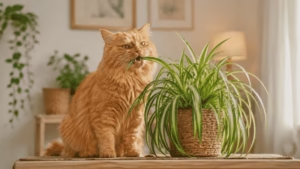
Green vomit usually means your cat ate grass or plant material. Cats sometimes eat grass to help them vomit hairballs or because they feel nauseous. Cats that puke green liquid may have a harmless cause, but monitor for other symptoms. Repeated green vomiting without grass eating could indicate bile problems or intestinal blockage.
Blood in vomit appears red, pink, or as streaks. Fresh red blood indicates bleeding in the esophagus, mouth, or stomach. Any amount of blood in vomit warrants an urgent vet visit. Do not wait to see if it stops on its own.
Our previous article on why is my cat vomiting goes deeper into vomit colors and what they mean.
Hairballs and Long Haired Cats That Puke
Long-haired cats that puke are especially prone to hairball problems. The question “why do fluffy cats vomit more” has a simple answer: more fur equals more hairballs. Breeds like Persians, Maine Coons, Ragdolls, and British Longhairs swallow significantly more fur during grooming than short-haired cats.
So why do cats that puke hairballs sometimes vomit weekly or even daily? Excessive grooming causes frequent hairballs. Your cat may have allergies, parasites, skin conditions, anxiety, or boredom. As covered in indoor cat depression, bored cats overgroom, leading to more hairballs and more vomiting.
Daily brushing is the most effective solution for long-haired cats that puke hairballs. Brushing removes loose fur before your cat swallows it. During shedding seasons, brush your cat daily. Use a stainless steel comb or a slicker brush designed for long-haired cats. Many owners report that regular brushing cuts hairball frequency in half.
Hairball control cat foods also help. These foods contain extra fiber that helps fur move through the digestive tract instead of accumulating in the stomach. They also have added oils that lubricate the digestive system. Switch to hairball control food gradually over seven days to avoid additional digestive upset.
Laxative pastes for hairballs are available at pet stores. These products help fur pass through the intestines rather than accumulating in the stomach. Follow package directions carefully. Do not use human laxatives on cats. They are dangerous. Ask your vet which hairball product is best.
Resource from the Cornell Feline Health Center explains that while occasional hairballs are normal, cats that puke hairballs weekly or daily need veterinary investigation.
Health Conditions Linked to Vomiting
Some cats have underlying medical conditions that cause vomiting. While hairballs and diet issues are common, serious diseases also cause digestive upset. Knowing the signs helps you seek help early.
Inflammatory bowel disease (IBD) is a common cause of chronic vomiting. IBD causes inflammation in the digestive tract. Symptoms include vomiting, diarrhea, weight loss, and decreased appetite. Treatment includes dietary changes, steroids, and other medications.
Kidney disease is another cause of vomiting in older cats. As kidneys fail, waste products build up in the blood. This causes nausea and vomiting. Other signs include increased thirst, increased urination, weight loss, and bad breath. Kidney disease is manageable with special diets and medications, but early diagnosis is crucial.
Pancreatitis causes severe vomiting. The pancreas becomes inflamed, releasing digestive enzymes that attack the body’s own tissues. Cats with pancreatitis are often lethargic, refuse food, and have abdominal pain. Treatment requires hospitalization for fluids and pain management in severe cases.
Intestinal blockage is an emergency. Your cat may have swallowed a string, toy, or other foreign object. The object blocks the intestine, preventing food from passing. Cats with blockage vomit repeatedly, stop eating, and become lethargic. Surgery is usually required.
Our previous article on do female cats spray discusses how stress affects cat behavior. Cats that vomit from stress may throw up during or after stressful events like moving, new pets, or owner absence.
Food and Diet Issues for Sensitive Cats
Dietary problems are common reasons for vomiting. Food allergies, intolerances, and sensitivities all cause digestive upset. Unlike sudden vomiting from eating too fast, food-related vomiting happens hours after eating and continues over days or weeks.
Food allergies occur when the immune system overreacts to certain proteins. Common cat allergens include beef, dairy, fish, and chicken. An allergic cat may vomit, have diarrhea, or develop itchy skin. If you suspect food allergies, your veterinarian may recommend an elimination diet with a novel protein source.
Food intolerance is different from allergy. Intolerance does not involve the immune system. Most adult cats are lactose intolerant. They lack the enzyme needed to digest milk sugar. Vomiting after dairy is not an allergic reaction but a digestive intolerance.
Dry food vs wet food matters. Dry food expands in the stomach. If your cat gulps dry food and then drinks water, the stomach becomes overfull, triggering vomiting. Wet food has higher moisture content and is easier to digest for many sensitive cats.
Human foods often cause vomiting. Many human foods are toxic to cats or difficult to digest. Onions, garlic, chocolate, grapes, raisins, and xylitol are poisonous. Fatty foods cause pancreatitis. Rich foods upset sensitive stomachs. Keep human food away from your cat.
Switching cat food without transition causes vomiting. Sudden diet changes shock the digestive system. Always transition over five to seven days. Start with ninety percent old food and ten percent new food. Gradually increase the new food proportion each day.
The ASPCA cat nutrition guide explains that cats need consistent, high-quality diets. Frequent food changes, cheap foods with fillers, and table scraps all increase vomiting.
When Vomiting Is Serious
Not all vomiting is equal. Some situations require immediate veterinary attention. Knowing when to worry saves your cat’s life.
Cats that vomit three or more times in a single day need veterinary attention. Frequent vomiting causes dehydration, electrolyte imbalances, and malnutrition. Even if the cause is something simple like hairballs, the frequency itself becomes dangerous.
The combination of vomiting and diarrhea is serious. Cats lose fluids from both ends. This causes rapid dehydration. If vomiting and diarrhea last more than twelve hours, seek veterinary care. Kittens and senior cats are especially vulnerable.
Lethargy alongside vomiting is an emergency sign. Cats that vomit and then hide, refuse to move, or seem unresponsive need emergency care. Lethargy indicates systemic illness, not just digestive upset.
Refusal to eat after vomiting is concerning. Cats that vomit and then refuse all food for more than twenty-four hours risk hepatic lipidosis, a serious liver condition. If your cat vomits once but then eats normally, monitor at home. If she vomits and then refuses all food for a full day, call your vet.
Blood in vomit always requires emergency care. Red blood indicates active bleeding. Black, tarry vomit indicates digested blood. Do not wait to see if it stops on its own.
Our previous article on are spider plants toxic to cats discusses plant ingestion. If your cat has eaten a known toxic plant, go to the emergency vet immediately regardless of other symptoms.
How to Help Your Cat at Home
When you understand why your cat is vomiting, you can take appropriate action. Some vomiting episodes need veterinary care. Others can be managed at home with simple interventions. Always check with your vet before starting home treatment.
Withhold food for six to twelve hours after a vomiting episode. The stomach needs rest. Remove all food bowls temporarily. Provide small amounts of water. After the rest period, offer a small portion of bland food like boiled chicken or a veterinary gastrointestinal diet. If your cat keeps this down, gradually return to normal food over twenty-four hours.
Feed smaller, more frequent meals. Cats that eat too fast benefit from slow feeder bowls or puzzle feeders. These devices force your cat to eat slowly, taking small pieces at a time. You can also scatter kibble on a flat tray or use a muffin tin with treats in each cup. Slowing down eating reduces regurgitation significantly.
Increase hydration. Dehydration makes everything worse. Provide multiple water bowls around your home. Consider a cat water fountain. Many cats prefer running water and drink more from fountains. You can also add water to wet food to increase fluid intake.
Brush your cat regularly. If hairballs are the problem, daily brushing removes loose fur before your cat swallows it. Long-haired cats need daily brushing during shedding seasons. Short-haired cats need brushing two to three times per week.
Use probiotics for digestive health. Cat-specific probiotics introduce beneficial bacteria that support digestion. They are especially helpful after antibiotic treatment or during times of stress. Always choose products formulated for cats, not human probiotics.
Our previous article on can cats have strawberries discusses safe treats. Avoid giving any new foods while your cat is vomiting. Stick to a bland, consistent diet until vomiting stops completely.
Final Thoughts
Cats that puke occasionally are usually normal. Hairballs, eating too fast, and empty stomachs are common, harmless causes. However, cats that vomit frequently or severely need veterinary attention. Frequency matters more than occasional episodes. A cat who vomits once a month is probably fine. A cat who vomits weekly or daily needs investigation.
Pay attention to vomit color, frequency, and accompanying symptoms. Yellow or white foam from empty stomachs is less concerning than brown, red, or green vomit. Cats that vomit but act normal afterward are less urgent than cats that vomit and become lethargic. Trust your instincts. You know your cat better than anyone. If something feels wrong, call your vet.
Preventing vomiting starts with good daily care. Brush your cat regularly to reduce hairballs. Use slow feeder bowls for fast eaters. Transition food changes gradually. Keep human food away from your cat. Provide fresh water always. Schedule regular veterinary checkups to catch diseases early. A healthy digestive system means fewer messes to clean and a happier cat.
Trusted Resources for Cat Digestive Health
For more information on vomiting, digestive health, and when to seek care, these independent organisations provide evidence-based guides and research.
- International Cat Care – Veterinary-reviewed advice on cat vomiting causes and treatment
- Cornell Feline Health Center – University research on hairballs and digestive issues
- ASPCA Cat Nutrition Guide – Practical advice for feeding cats with sensitive stomachs
- FDA Healthy Cat Treats – Government guidance on safe cat feeding
You may also find our related guides helpful: signs of stress in cats explains how anxiety affects digestion, and do cats fart covers other common feline digestive issues and their causes.
FAQ Section: Questions You Might Have
Cats that puke often may have hairballs, eat too fast, have food sensitivities, or underlying medical conditions. Frequent vomiting is not normal. If your cat vomits more than once or twice per month, schedule a veterinary checkup to identify the cause and start appropriate treatment.
Yes, long-haired cats that puke are much more prone to hairballs. Breeds like Persians, Maine Coons, and British Longhairs swallow more fur during grooming. Daily brushing, hairball control food, and occasional laxative pastes help reduce hairball vomiting in long-haired cats that puke.
White foam vomit comes from cats that puke when their stomachs are empty. The foam is mucus and digestive fluids. This often happens in the morning or between meals. Feeding smaller, more frequent meals or a bedtime snack helps cats that puke white foam.
Worry about cats that puke if they vomit multiple times in one day, have blood in vomit, refuse to eat for over twenty-four hours, show lethargy, have diarrhea, or show signs of abdominal pain. These symptoms require immediate veterinary attention.
Indoor cats that puke may vomit more because they have less access to grass for digestion, more concentrated hairballs from year-round shedding, and more stress from confinement. Indoor cats also eat more processed food. Providing cat grass and enrichment helps indoor cats that puke.
Kittens that puke occasionally may be normal, especially if they eat too fast. However, kittens dehydrate quickly. Frequent vomiting in kittens is more concerning than in adult cats. See your vet if a kitten vomits more than once or twice within twenty-four hours.
Many cats that puke benefit from sensitive stomach formulas. These foods contain highly digestible proteins, limited ingredients, and added fiber. Some cats need hypoallergenic diets for food allergies. Ask your vet which diet is best for cats that puke in your home.
Clear liquid vomit is mostly water and saliva. Cats that puke clear liquid may have drunk too much water too quickly, or they may have an empty stomach producing bile that appears clear. This is usually less concerning than other vomit colors but monitor for other symptoms.
Yes, stress is a common trigger for cats that puke. Moving, new pets, construction noise, owner absence, or changes in routine can all cause stress vomiting. The cat vomits because stress affects digestion. Reducing stressors and providing enrichment helps cats that puke from anxiety.
Cats that puke (true vomiting) heave and show nausea before bringing up digested food or bile. Regurgitation happens immediately after eating without heaving. Regurgitated food looks like undigested kibble or wet food. Cats that puke from eating too fast are often actually regurgitating, not vomiting.