
Are Spider Plants Toxic to Cats
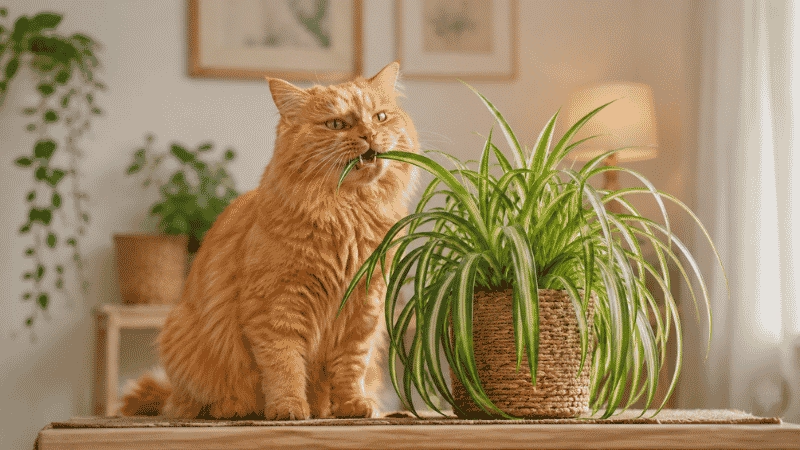
You bring home a beautiful spider plant. The long, arching green leaves look perfect on your shelf. Then your cat notices it. She chews a leaf. You panic. Are spider plants toxic to cats? You rush to your phone to search for answers. The good news comes quickly: spider plants are not toxic to cats.
The question “are spider plants toxic to cats” has a clear answer from trusted sources like the ASPCA. Spider plants, also known as Chlorophytum comosum, are listed as non-toxic to both cats and dogs. This means the plant does not contain compounds that poison felines. Your cat will not suffer organ failure or die from chewing a spider plant.
However, the answer to “are spider plants toxic to cats” is not the whole story. While not poisonous, spider plants can cause mild digestive upset. Cats who eat large amounts of plant material may vomit or have diarrhea. The plant also has mild hallucinogenic properties that some cats find attractive. Understanding the full picture helps you keep your cat safe while enjoying houseplants.
This guide covers everything about spider plants and cats: safety status, why cats love them, possible side effects, dangerous plants to avoid, safer alternatives, and how to stop your cat from eating your plants. Whether you already own a spider plant or want to buy one, you will learn the complete answer to “are spider plants toxic to cats.”
Are Spider Plants Safe for Cats
So are spider plants toxic to cats according to experts? The ASPCA (American Society for the Prevention of Cruelty to Animals) maintains a comprehensive list of toxic and non-toxic plants. Spider plants appear on the non-toxic list. This means the plant contains no known toxins that cause serious poisoning in cats.
The question “are spider plants toxic to cats” often comes from concerned owners who see their cat chewing leaves. Unlike true toxins such as those in lilies or sago palms, spider plants contain nothing that damages the liver, kidneys, heart, or nervous system. A cat who eats spider plant leaves will not develop organ failure or need emergency deworming.
But are spider plants toxic to cats in any way? The answer is no for true toxicity, but yes for mild gastrointestinal irritation. The plant contains compounds that can upset a sensitive stomach. Cats who eat large amounts may vomit once or twice. This is not poisoning. This is a cat eating something her body does not recognize as food.
Resource from the ASPCA Toxic and Non-Toxic Plants List confirms that spider plants are non-toxic to cats. This is the most authoritative answer to “are spider plants toxic to cats” available to pet owners.
Our previous article on why is my cat vomiting explains that vomiting has many causes. If your cat vomits after eating a spider plant, the plant is not poisoning her. The vomiting is a mechanical response to eating indigestible plant material, not a toxic reaction.
Why Do Cats Love Spider Plants
Even after learning that are spider plants toxic to cats is answered with no, you may still wonder why your cat is obsessed with this particular plant. Cats ignore many houseplants but go crazy for spider plants. There are several reasons for this attraction.
The first reason answers “why do cats eat spider plants” with science. Spider plants produce compounds similar to opium. These compounds are mildly hallucinogenic to cats. The effects are subtle and not dangerous, but your cat may experience a slight euphoria or altered perception. This is why cats return to spider plants again and again, even when other plants are available.
p>The second reason is texture. Spider plant leaves are long, thin, and grass-like. They move easily when touched. This mimics the movement of prey. Indoor cats with limited hunting opportunities may be drawn to the plant as a target for stalking and pouncing behavior. As discussed in indoor cat depression, bored indoor cats seek stimulation wherever they can find it.The third reason relates to your cat’s need for fiber and roughage. Wild cats consume plant material from the stomachs of their prey. Indoor cats do not have this natural source of plant matter. Your cat may be seeking fiber to help move hairballs through her digestive system. The question “are spider plants toxic to cats” matters less than “does my cat need cat grass” for digestive health.
Boredom is another major factor. The question “are spider plants toxic to cats” becomes irrelevant if your cat is eating plants out of sheer boredom. A cat with nothing to do will entertain herself with whatever is available, including your houseplants. Providing enrichment, playtime, and cat grass reduces plant chewing significantly.
Our previous article on why cats follow you to the bathroom explains that cats are curious creatures who investigate everything in their environment. Your spider plant is simply another object to explore with their mouth.
Possible Side Effects of Spider Plant Consumption
While the answer to “are spider plants toxic to cats” is no for true poisoning, side effects can occur. Understanding these side effects helps you know when to worry and when to relax after your cat eats part of your spider plant.
p>Mild vomiting is the most common side effect. Your cat’s digestive system is designed to process meat, not plant leaves. When your cat eats spider plant material, the stomach may reject it. The vomiting is usually a single episode. Your cat vomits the plant material and then acts completely normal. This is not an emergency. It is a normal response to eating something unusual.Diarrhea is less common but possible. The plant material irritates the intestinal lining as it passes through. The diarrhea is typically mild and resolves within twenty-four hours. If your cat has diarrhea for more than a day, the cause is probably not the spider plant. Something else is going on.
p>Drooling or lip smacking can occur after eating spider plant leaves. This happens because the plant material tastes bitter or unusual. Your cat’s mouth produces extra saliva to help clear the taste. Drooling usually stops within an hour. If the question “are spider plants toxic to cats” is answered with no, you can watch this symptom at home without rushing to the vet.Lethargy is very rare from spider plant ingestion. If your cat seems tired or sleepy after eating a spider plant, monitor closely. The mild hallucinogenic effect might make her seem spacey or relaxed. True lethargy where your cat does not respond to you or refuses to move is different. Lethargy plus vomiting may indicate something other than the spider plant.
p>Loss of appetite for one meal is possible. Your cat’s stomach may feel full or slightly irritated after eating plant material. She may skip her next meal but should eat normally by the following day. If your cat refuses all food for more than twenty-four hours, the spider plant is not the likely cause. See your vet.The question “are spider plants toxic to cats” becomes more relevant if your cat eats a large amount of the plant. A few leaves cause mild side effects at most. An entire plant consumed over several days could cause more significant digestive upset. Keep spider plants out of reach if your cat is an aggressive chewer.
Resource from the Cornell Feline Health Center explains that non-toxic plants can still cause mechanical vomiting. The answer to “are spider plants toxic to cats” is no, but any plant material can trigger vomiting in sensitive cats.
Dangerous Plants for Cats
While the answer to “are spider plants toxic to cats” is no, many common houseplants are highly toxic. Knowing which plants to avoid completely is more important than worrying about safe plants like spider plants.
Lilies are the most dangerous houseplant for cats. Every part of the lily plant, including the petals, leaves, pollen, and even the water in the vase, causes acute kidney failure. A cat who licks lily pollen from her fur can die within days without treatment. The question “are spider plants toxic to cats” is nothing compared to the danger of lilies. Never bring lilies into a home with cats.
Sago palm is another deadly plant. All parts of the sago palm are toxic, but the seeds contain the highest concentration of toxins. Ingestion causes severe liver failure. Even small amounts can be fatal. Unlike spider plants, where the answer to “are spider plants toxic to cats” is no, sago palm has a definitive yes answer for deadly toxicity.
p>Pothos, also called devil’s ivy, is a common hanging plant. It contains insoluble calcium oxalates that cause intense oral irritation, drooling, vomiting, and difficulty swallowing. While rarely fatal, pothos poisoning is extremely uncomfortable for cats. The answer to “are spider plants toxic to cats” is no, but pothos is toxic and should be kept away from cats.Aloe vera has medicinal benefits for humans but causes vomiting, diarrhea, and lethargy in cats. The latex inside the leaves is the toxic part. Many owners are surprised to learn that this common plant is dangerous. Unlike spider plants, where the answer to “are spider plants toxic to cats” is safe, aloe vera belongs on the toxic list.
p>Snake plants contain saponins that cause nausea, vomiting, and diarrhea. Most cats recover without treatment, but the symptoms are unpleasant. The toxicity is mild compared to lilies or sago palm, but snake plants should still be kept out of reach.Dieffenbachia (dumb cane) causes severe mouth pain, swelling, and difficulty swallowing. In rare cases, throat swelling can block airways. This plant is more toxic than spider plants. The answer to “are spider plants toxic to cats” is safe, but dieffenbachia is not.
Our previous article on signs of stress in cats explains that a stressed cat may chew on dangerous plants. If your cat shows anxiety symptoms, address the stress rather than just hiding toxic plants.
Safe Plants for Cat Owners
If you love houseplants but worry about safety, the answer to “are spider plants toxic to cats” is reassuring. Spider plants are a great choice. But you also have many other safe options to decorate your home without risking your cat’s health.
p>Cat grass is the safest plant for cat owners. This is usually grown from wheat, barley, or oat seeds. Cat grass provides fiber that helps with hairball passage. It gives your cat an acceptable plant to chew. If you ask “are spider plants toxic to cats,” cat grass is even safer because it causes no side effects at all.Boston ferns are non-toxic and add beautiful greenery to any room. Their feathery fronds are not particularly attractive to cats, so they usually survive cat ownership. Unlike spider plants, where cats may be attracted to the mild hallucinogenic effect, Boston ferns do not draw cat attention.
p>Calatheas are completely safe for cats. These plants have beautiful patterned leaves in shades of green, purple, and pink. They are non-toxic and not attractive to most cats. The answer to “are spider plants toxic to cats” is no, and calatheas share the same safety status.Peperomias are another safe option. These small, easy-care plants come in many leaf shapes and colors. They are non-toxic and have thick, fleshy leaves that are less appealing for chewing. Peperomias are an excellent choice for cat owners who want variety.
p>Spider plants remain one of the best choices. The answer to “are spider plants toxic to cats” makes them popular for a reason. They are safe, attractive, and easy to grow. They also have the added benefit of being mildly attractive to cats, which draws attention away from other less safe plants.Herbs like rosemary, thyme, and basil are safe for cats. They also provide fresh herbs for your cooking. However, some cats are attracted to their strong smells. If your cat chews herbs excessively, offer cat grass as an alternative.
The ASPCA complete list of toxic and non-toxic plants is the best resource for cat owners. Before buying any new plant, search the list to confirm safety. The answer to “are spider plants toxic to cats” is easy to find, but do not assume all plants are as safe.
How to Stop Cats Eating Your Plants
Even with the answer to “are spider plants toxic to cats” being no, you may still want to stop your cat from destroying your plants. Prevention strategies protect both your plants and your cat’s digestive system.
p>Offer cat grass as a safe alternative. Place a pot of cat grass next to your spider plant. Your cat will likely prefer the cat grass because it is grown specifically for her. The question “are spider plants toxic to cats” becomes less relevant when your cat has a better option. Replant fresh cat grass every two to three weeks.Make plants less accessible. Hang spider plants from the ceiling where your cat cannot reach them. Place plants on high shelves without nearby furniture that cats can use as launching pads. Use plant stands with narrow tops that cannot hold a cat’s weight. If you ask “are spider plants toxic to cats” but your cat cannot reach them, safety is guaranteed.
p>Use deterrents. Cats dislike citrus smells. Place orange or lemon peels around the base of your plants. Commercial bitter sprays are available at pet stores. Spray plant leaves with a taste deterrent. Your cat will quickly learn that spider plants taste unpleasant. The answer to “are spider plants toxic to cats” does not change, but your cat will leave them alone.Provide enrichment. Bored cats eat plants. The question “are spider plants toxic to cats” matters less than “is my cat getting enough stimulation.” Provide puzzle feeders, wand toys, window perches, and climbing trees. A mentally stimulated cat has less interest in destroying your houseplants. As discussed in indoor cat depression, enrichment prevents many behavioral problems including plant chewing.
p>Train your cat using positive reinforcement. When your cat ignores the spider plant, reward her with treats and praise. When she approaches the plant, redirect her to a toy or cat grass. Consistency matters. Within a few weeks, your cat learns that plants are not rewarding. The answer to “are spider plants toxic to cats” will not matter because your cat does not eat them.Use double-sided tape or aluminum foil around plant pots. Cats dislike sticky or crinkly textures. Place these deterrents on the pot rim or on the surface where the plant sits. Your cat will avoid the uncomfortable texture and lose interest in the plant.
Our previous article on why cats lick you then bite you explains that cats communicate through behavior. Your cat eating your plants is telling you something about her environment. Listen to the message and address the underlying need.
When to See a Vet
While the answer to “are spider plants toxic to cats” is no, some situations still require veterinary attention. Knowing when to call your vet helps you respond appropriately when your cat eats any plant.
p>Call your vet immediately if your cat eats a known toxic plant like lilies, sago palm, or dieffenbachia. Do not wait for symptoms. The question “are spider plants toxic to cats” is no, but these plants are deadly. Time matters. The sooner your cat receives treatment, the better the outcome.Seek veterinary care if your cat vomits repeatedly after eating any plant. A single vomit is normal. Repeated vomiting over several hours indicates a problem. The cause might be the plant, but it might be something else. Let your vet determine the answer to “are spider plants toxic to cats in this situation.”
p>Go to the vet if your cat shows signs of dehydration after vomiting or diarrhea. Signs include dry gums, sunken eyes, lethargy, and skin that does not snap back when gently pulled. Dehydration is dangerous regardless of the cause. Even if “are spider plants toxic to cats” is no, dehydration needs treatment.Call your vet if your cat refuses to eat for more than twenty-four hours after eating a plant. Cats who stop eating risk hepatic lipidosis, a serious liver condition. The plant itself may not be toxic, but the resulting appetite loss is still dangerous.
p>Seek emergency care if your cat has difficulty breathing, swelling of the mouth or throat, or collapse. These symptoms are not caused by spider plants. If your cat shows these signs after eating any plant, the plant may be severely toxic. The answer to “are spider plants toxic to cats” would not explain these symptoms.If you are unsure whether a plant is safe, call the ASPCA Animal Poison Control Center at (888) 426-4435. They have the most up-to-date information on plant toxicity. They can give you a definitive answer to “are spider plants toxic to cats” for any plant in your home.
Resource from the FDA Plants Toxic to Animals provides additional guidance on poisonous plants and when to seek emergency care.
Final Thoughts
The answer to “are spider plants toxic to cats” is a reassuring no. Spider plants are safe for homes with cats. They do not contain toxins that poison felines. You can enjoy these beautiful, easy-care houseplants without worrying about your cat’s safety. However, like any non-food item, spider plants can cause mild digestive upset if your cat eats large amounts.
Many cats are attracted to spider plants because of their mild hallucinogenic properties, grass-like texture, or simply boredom. If your cat chews your spider plant, offer cat grass as a safer alternative. Provide enrichment through play, climbing structures, and puzzle feeders to reduce plant chewing behavior. Hang plants out of reach if your cat is an aggressive chewer.
The bigger concern for cat owners is not spider plants but truly toxic houseplants like lilies, sago palm, and dieffenbachia. Know which plants are dangerous and keep them out of your home entirely. When in doubt, check the ASPCA toxic and non-toxic plant list. A little research prevents emergency veterinary visits. Your cat can live safely with houseplants as long as you choose the right ones.
Trusted Resources for Plant Safety
For more information on plant toxicity, safe houseplants, and what to do if your cat eats a toxic plant, these independent organisations provide evidence-based guides and emergency resources.
- ASPCA Toxic and Non-Toxic Plants List – Official safety status for spider plants and thousands of other plants
- Cornell Feline Health Center – University research on poisonous plants and emergency response
- FDA Plants Toxic to Animals – Government guidance on plant safety for pets
- ASPCA Animal Poison Control Center – Emergency hotline: (888) 426-4435
You may also find our related guides helpful: Signs of Stress in Cats explains how environmental enrichment reduces destructive behaviors like plant chewing, and indoor cat depression covers creating a stimulating indoor environment that meets your cat’s natural needs.
FAQ Section: Questions You Might Have
Yes, the ASPCA officially lists spider plants as non-toxic to cats. The answer to “are spider plants toxic to cats” is no. They contain no compounds that poison felines. However, they can cause mild digestive upset if eaten in large amounts, just like any non-food item.
Spider plants produce mild hallucinogenic compounds that some cats find appealing. Your cat may also be attracted to the grass-like texture, moving leaves, or simply bored. The answer to “are spider plants toxic to cats” does not prevent attraction. Offer cat grass as a safer alternative for your cat to chew.
Most cats experience no symptoms at all. Some cats may vomit once or have mild diarrhea from the indigestible plant material. The answer to “are spider plants toxic to cats” means you do not need emergency care. However, monitor your cat for repeated vomiting or lethargy, which would indicate a different problem.
No, spider plants cannot kill cats. The answer to “are spider plants toxic to cats” is no for true toxicity. Spider plants contain nothing that causes organ failure or death. A cat would need to eat an enormous amount of plant material to have serious digestive issues. Even then, the cause would be obstruction or dehydration, not poisoning.
Spider plants are also non-toxic to kittens. However, kittens have smaller bodies and more sensitive digestive systems. The answer to “are spider plants toxic to cats” applies to all ages, but kittens may vomit more easily. Keep spider plants out of reach of young kittens who explore everything with their mouths.
Your cat vomits because her digestive system is designed for meat, not plant leaves. The plant material irritates the stomach lining. The body rejects it. The answer to “are spider plants toxic to cats” is no, but vomiting is a normal mechanical response. A single vomit is not concerning. Repeated vomiting needs investigation.
Yes, spider plants contain compounds similar to opium. These compounds have mild hallucinogenic effects on cats. The effects are subtle and not dangerous. Some cats seem attracted to this effect and return to the plant repeatedly. The answer to “are spider plants toxic to cats” remains no, as the hallucinogenic compounds are not toxic.
Yes, spider plants are safe to have around cats. The answer to “are spider plants toxic to cats” makes them one of the best houseplants for pet owners. However, if your cat is an aggressive plant chewer, hang the plant out of reach. Provide cat grass as a safe chewing outlet to protect both your plant and your cat’s stomach.
Some plants with long, arching leaves are toxic. Spider plant look-alikes include some varieties of dracaena and chlorophytum orchids. Always identify your plant before bringing it home. The answer to “are spider plants toxic to cats” does not apply to look-alikes. Check the ASPCA list for each specific plant species before purchase.
No, never induce vomiting in your cat unless directed by a veterinarian. The answer to “are spider plants toxic to cats” means inducing vomiting is unnecessary and potentially dangerous. Vomiting is a side effect of eating plant material, not a treatment. If you are worried, call your vet or the ASPCA Poison Control Center for guidance.