
Angora Cats Splendor
There are beautiful cats, and then there are cats that look like living royalty. The angora cats splendor belongs to the latter category. Turkish Angoras carry themselves with a grace that seems almost theatrical. Their silky white coats flow like silk curtains. Their eyes, often brilliant blue or one blue and one amber, seem to hold ancient secrets.
For centuries, the angora cats splendor has captivated royalty, poets, and cat lovers around the world. These elegant felines originated in Ankara, Turkey, formerly known as Angora. They are not just pretty faces. Turkish Angoras combine breathtaking beauty with intelligent, playful, and loyal personalities. Understanding the angora cats splendor means appreciating both their physical majesty and their rich history.
This guide explores everything about Turkish Angora cats: their royal origins, physical characteristics, personality traits, grooming needs, health considerations, and why they remain one of the most coveted luxury cat breeds. Whether you already own an Angora or simply admire their beauty, you will discover why the angora cats splendor is truly unmatched in the feline world.
Unlike many long-haired breeds developed through selective breeding, Turkish Angoras are a natural breed. They existed for centuries without human intervention. This natural origin contributes to the angora cats splendor because these cats were shaped by survival, not just appearance. They are athletic, intelligent, and healthy when properly cared for.
History and Royal Image of Turkish Angora Cats
The angora cats splendor has deep roots in Turkish history. These cats originated in the Ankara region of Turkey, which was historically called Angora. The name “Angora” became associated with their long, silky coats, similar to Angora wool from rabbits. Turkish Angoras are one of the oldest naturally occurring long-haired cat breeds in the world.
For centuries, the angora cats splendor was admired by Turkish royalty and European aristocrats. In the 16th century, European travelers brought Turkish Angoras back from their journeys. The cats quickly became status symbols among French and British nobility. Their pure white coats and striking eyes made them highly desirable luxury pets. Owning an Angora cat signified wealth and refined taste.
The angora cats splendor nearly disappeared in the early 20th century. Persian cats became more fashionable, and breeders crossed Angoras with Persians, diluting the pure breed. Fortunately, the Ankara Zoo in Turkey launched a breeding program to preserve the original Turkish Angora. Today, the angora cats splendor continues through careful breeding that maintains the natural characteristics of these ancient felines.
Resource from the International Cat Care explains that Turkish Angoras remain relatively rare compared to Persian or Maine Coon cats, which adds to their aura of exclusivity and splendor.
Physical Splendor of Turkish Angora Cats
The angora cats splendor begins with their appearance. Turkish Angoras are medium-sized cats with slender, muscular bodies. Unlike the stocky build of Persians or British Shorthairs, Angoras are elegant and athletic. They weigh between five and nine pounds, with females typically smaller than males. Their bodies feel surprisingly solid despite their delicate appearance.
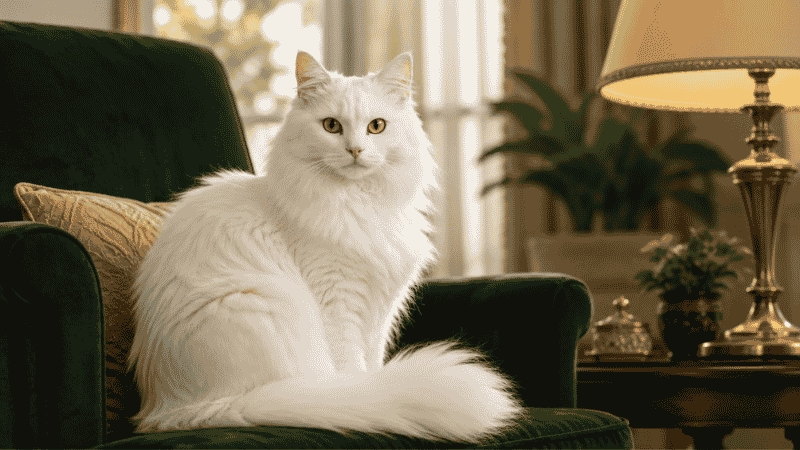
The most famous version of angora cats splendor is the pure white Turkish Angora with blue eyes or odd eyes. One blue eye and one amber eye create a mesmerizing, almost supernatural appearance. However, Turkish Angoras come in many colors including black, red, cream, blue, and silver tabby. White remains the most celebrated because it showcases the silky coat texture and eye colors most dramatically.
The coat itself is the defining feature of angora cats splendor. Turkish Angoras have single coats, not double coats like Persians. The fur is fine, silky, and lies flat against the body. It lacks the thick undercoat that causes matting in other long-haired breeds. When light hits an Angora’s coat, it shimmers like liquid silk. The tail is especially luxurious, often described as a plume or feather.
Their eyes are another source of angora cats splendor. Turkish Angoras have large, almond-shaped eyes set at a slight angle. Eye colors include brilliant blue, amber, green, and odd-eyed combinations. Odd-eyed Angoras (one blue, one amber) are particularly prized. According to the Cornell Feline Health Center, the gene responsible for white coat color and blue eyes is linked to congenital deafness, a consideration for potential owners.
Our previous article on indoor cat depression covers environmental enrichment that helps all cats thrive, including active luxury breeds like Turkish Angoras who need stimulation to maintain their physical and mental splendor.
Personality and Charm of Angora Cats
The angora cats splendor is not only about appearance. Turkish Angoras have personalities as striking as their looks. They are intelligent, playful, and intensely social. Unlike some aloof cat breeds, Angoras actively seek human companionship. They follow their owners from room to room and greet guests at the door. The angora cats splendor includes a charming, dog-like devotion to their chosen humans.
Turkish Angoras are highly interactive cats. They learn tricks easily, fetch toys, and open cabinets and doors with their clever paws. Owners often describe them as problem-solvers who figure out how to get what they want. The angora cats splendor includes this sharp intelligence. Without adequate mental stimulation, an Angora may become bored and develop destructive behaviors.
Despite their luxurious appearance, Turkish Angoras are not sedentary lap cats. They love to climb, jump, and explore. Providing vertical space such as cat trees and shelves is essential for maintaining the angora cats splendor in indoor environments. Active play sessions with wand toys mimic their natural hunting instincts and strengthen the bond between cat and owner.
Turkish Angoras are also vocal communicators. They use a range of meows, chirps, and trills to express their needs and desires. The angora cats splendor includes this expressive nature. Your Angora will tell you when she wants food, attention, or playtime. Many owners find this conversational quality endearing rather than demanding.
Grooming and Maintenance of Turkish Angora Coats
Maintaining the angora cats splendor requires consistent grooming, but not as much as many people expect. Turkish Angoras have single coats without a dense undercoat. This means their fur mats less easily than Persian or Maine Coon fur. However, their silky hair is fine and can tangle if neglected.
Brush your Turkish Angora two to three times per week using a stainless steel comb or a slicker brush designed for long-haired cats. Daily brushing during spring and fall shedding seasons keeps the angora cats splendor at its peak. Focus on the belly, armpits, and behind the ears, where tangles form most often. Be gentle. The fine coat can break if brushed too aggressively.
p>Bathing is rarely necessary for Turkish Angoras. Their coats naturally repel dirt and oils. When you do bathe your cat, use a mild cat-specific shampoo and rinse thoroughly. Proper drying is essential. The angora cats splendor depends on the coat’s fluffiness, which returns after complete drying. Some owners use a pet-safe conditioner to enhance silkiness.Nail trimming, ear cleaning, and dental care are also part of maintaining the angora cats splendor. Trim nails every two to three weeks. Check ears weekly for wax buildup or redness. Brush teeth daily or use veterinary-approved dental treats. These routine care tasks keep your Angora looking and feeling her best.
The ASPCA cat grooming guide offers additional advice on handling long-haired cats gently and effectively, preserving the angora cats splendor through proper maintenance.
Health and Lifestyle Considerations
The angora cats splendor comes with specific health considerations. Turkish Angoras are generally healthy, long-lived cats. Their average lifespan is 12 to 18 years, with some living into their early twenties. However, certain genetic conditions are more common in this breed, particularly in white cats with blue eyes.
Congenital deafness affects approximately 17 to 22 percent of white Turkish Angoras. The percentage increases in cats with two blue eyes and decreases in odd-eyed or amber-eyed white cats. Deafness does not diminish the angora cats splendor. Deaf cats live full, happy indoor lives. They simply require extra safety precautions, such as leashed outdoor access and visual rather than verbal cues.
Hypertrophic cardiomyopathy (HCM) is another concern in Turkish Angoras. This heart condition causes thickening of the heart muscle and can lead to heart failure. Responsible breeders screen their cats for HCM through echocardiograms. If you are purchasing a Turkish Angora, ask for documentation of heart screening in the parent cats. Regular veterinary checkups help detect HCM early.
Maintaining the angora cats splendor requires a healthy indoor lifestyle. Turkish Angoras should live exclusively indoors to protect them from traffic, predators, and infectious diseases. Provide scratching posts, climbing trees, window perches, and interactive toys. A sedentary Angora loses her muscle tone and may develop obesity, which diminishes her elegant appearance and harms her health.
Your related article on signs of stress in cats helps you recognize when your Turkish Angora may be anxious. These sensitive cats thrive on routine and calm environments. Stress can manifest as overgrooming, hiding, or changes in appetite, all of which detract from the angora cats splendor.
Why People Love Turkish Angora Cats
People fall in love with the angora cats splendor for many reasons. Some are drawn to the breathtaking appearance: the silky white coat, the jewel-toned eyes, the plumed tail carried like a flag. Others appreciate the breed’s intelligence and interactive personality. Turkish Angoras offer the beauty of a luxury cat breed without the aloofness that sometimes accompanies show-quality felines.
The angora cats splendor translates beautifully to modern lifestyles. Turkish Angoras adapt well to apartment living provided they have vertical space and daily play sessions. They are generally good with children who treat them respectfully and with other cats when properly introduced. Their social nature means they do not enjoy being left alone for long hours. A Turkish Angora is a companion, not just a decoration.
Photographers and social media enthusiasts adore Turkish Angoras because they photograph spectacularly. The white coat reflects light beautifully. The blue or odd eyes create striking contrast. The angora cats splendor goes viral regularly on platforms like Instagram and Pinterest. However, responsible owners emphasize that these cats are living creatures, not props. Their beauty shines brightest when they are healthy, happy, and loved.
According to the Journal of Feline Medicine and Surgery, purebred cats like Turkish Angoras bring joy to their owners when breed characteristics match lifestyle expectations. The angora cats splendor is best appreciated by owners who have time for interaction, play, and consistent grooming.
Final Thoughts
The angora cats splendor is real and deserved. Turkish Angoras combine breathtaking physical beauty with intelligent, loyal, and playful personalities. They are living art, but they are also living creatures who need love, attention, and proper care. Owning an Angora means committing to grooming, playtime, and indoor safety. It means accepting that your beautiful cat will shed white fur on your furniture and demand attention when you are busy.
For the right owner, the angora cats splendor makes every effort worthwhile. Coming home to an Angora who greets you at the door, follows you through the house, and curls up beside you at night is a daily joy. Their silky coats, striking eyes, and graceful movements never stop being beautiful. Years into ownership, you will still catch yourself staring at your cat and marveling at how something so exquisite exists in your home.
Whether you admire Turkish Angoras from afar or welcome one into your family, respect the breed’s history, needs, and nature. These cats are not decorations. They are ancient, intelligent, social creatures who deserve to be treated with dignity. The angora cats splendor shines brightest when the cat behind the beauty is happy, healthy, and loved.
Trusted Resources for Turkish Angora Cats
For more information on Turkish Angora cats, their care, and their history, these independent organisations provide evidence-based guides and breed information.
- International Cat Care – Breed profile and health considerations for Turkish Angoras
- Cornell Feline Health Center – Veterinary information on Angora cat health and genetics
- ASPCA Cat Grooming Guide – Practical advice for maintaining long-haired coats
- Journal of Feline Medicine and Surgery – Research on hereditary conditions in purebred cats
You may also find our related guides helpful: Signs of Stress in Cats explains how to recognize anxiety in sensitive breeds like Angoras, and Indoor Cat Depression covers environmental enrichment for active indoor cats.
FAQ Section: Questions You Might Have
The angora cats splendor comes from their unique combination of features: a silky single coat that shimmers like silk, a slender athletic build, large almond-shaped eyes often in odd colors, and a plumed tail carried upright. Unlike Persian cats, Turkish Angoras are not stocky or flat-faced. Unlike other white long-haired cats, Angoras have natural elegance without excessive fluff.
No, not all Turkish Angoras are white. The angora cats splendor includes many colors: black, red, cream, blue, silver tabby, calico, and tortoiseshell. However, white remains the most famous and historically celebrated color because it showcases the silky coat texture and striking eye colors most dramatically. The Ankara Zoo breeding program preserved all colors, not just white.
Yes, Turkish Angoras generally get along well with cat-friendly dogs. The angora cats splendor includes a confident, adaptable personality. Introduce any new pet slowly through scent swapping and supervised visual access. Most Angoras accept dogs who respect their space. However, very high-energy or aggressive dogs may stress an Angora. Always prioritize your cat’s safety and comfort.
Turkish Angoras need brushing two to three times per week. This is less than many other long-haired breeds because Angoras have single coats without dense undercoats. During spring and fall shedding seasons, daily brushing maintains the angora cats splendor. Bathing is rarely necessary. Regular nail trims, ear cleaning, and dental care are also important.
Yes, purebred Turkish Angoras from reputable breeders are expensive, typically ranging from $800 to $2000 or more. The angora cats splendor has a price tag that reflects careful breeding for health, temperament, and conformation. Adopting an Angora mix from a rescue shelter costs much less. Always prioritize ethical breeding practices over low prices to avoid supporting kitten mills.
Turkish Angoras shed moderately. Their single coat produces less loose fur than double-coated breeds like Maine Coons. However, the angora cats splendor requires accepting some shedding. White fur shows on dark clothing. Weekly brushing removes loose hair before it falls around your home. During seasonal changes, shedding increases temporarily regardless of brushing frequency.
No, but deafness is more common in white cats with blue eyes. Approximately 17 to 22 percent of white Turkish Angoras are deaf. The percentage increases to around 40 percent in cats with two blue eyes and drops to approximately 10 percent in odd-eyed white cats. Deafness does not diminish the angora cats splendor. Deaf cats live happily indoors with minor accommodations.
Turkish Angoras typically live 12 to 18 years. Some reach their early twenties. The angora cats splendor lasts for many years when owners provide proper nutrition, regular veterinary care, dental hygiene, and indoor safety. Senior Angoras may need adjusted diets, softer bedding, and more frequent veterinary checkups to maintain their quality of life.
Turkish Angoras are social cats who bond strongly with their owners. They handle being alone for a normal work day better than some breeds, but they need enrichment. Provide puzzle feeders, window perches, and automated toys. The angora cats splendor suffers when a cat becomes lonely or bored. Consider adopting a second cat for companionship if you are away long hours regularly.
Many Turkish Angoras show unusual interest in water. The angora cats splendor sometimes includes playing with dripping faucets, dipping paws into water bowls, or even joining owners in the shower. This trait comes from their Turkish origins where they may have encountered water sources. Not all Angoras love water, but the breed is more likely to tolerate or enjoy it than most cats.