
Do Cats Fart
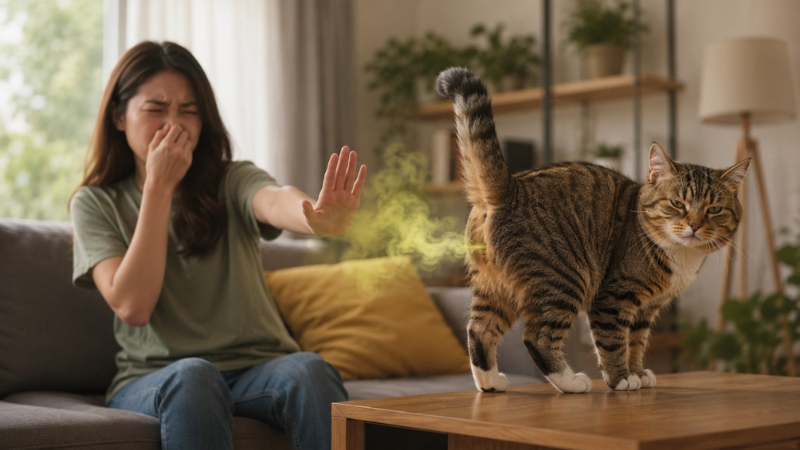
Your cat is curled up on your lap. Suddenly, a faint smell reaches your nose. You look around confused. Was that your cat? You have probably wondered at some point: do cats fart? The answer is yes, they absolutely do. But cat farts are usually much quieter and less noticeable than dog or human gas.
Understanding feline digestion helps explain why cats fart and what their gas means. Most cat owners rarely hear or smell their cat passing gas because cats tend to release small amounts silently throughout the day. However, some cats produce noticeably smelly farts or fart more frequently than normal. Knowing what is typical helps you recognize when something might be wrong with your cat’s digestive health.
Do cats fart differently than other pets? Yes. Unlike dogs, who often gulp air while eating and produce loud, noticeable gas, cats are more discreet. Their farts are usually silent and odorless. But when cat farts become smelly or frequent, it often points to a dietary issue or underlying health condition that needs attention. This guide covers everything you need to know about feline flatulence.
If you have ever asked yourself “do cats fart and should I be worried,” you are not alone. Many cat owners are surprised to learn that cats do fart. This article explains why cats fart, what causes smelly gas, how to reduce digestive problems, and when to call your veterinarian.
Why Do Cats Fart
Do cats fart for the same reasons humans do? Yes, the basic mechanism is the same. Gas builds up in the digestive tract and must be released. Cats produce gas when bacteria in their intestines break down food that was not fully digested higher up in the stomach and small intestine.
The question do cats fart applies to all healthy cats. Gas formation is a normal part of digestion. When your cat eats, food moves through the stomach into the small intestine. Some components, especially certain carbohydrates and fibers, resist digestion in the small intestine. They travel to the large intestine, where bacteria ferment them. This fermentation process produces gases like hydrogen, carbon dioxide, and methane.
Do cats fart more after eating certain foods? Yes, absolutely. Foods high in fiber, such as some vegetables or grains in lower-quality cat foods, increase gas production. Dairy products are another common culprit because many adult cats are lactose intolerant. Do cats fart after drinking milk? Usually yes, and those farts often smell particularly bad due to undigested lactose fermenting in the colon.
Swallowing air also contributes to gas. Do cats fart more when they eat too quickly? Yes. Cats who inhale their food swallow air along with their kibble. This air travels through the digestive system and eventually exits as flatulence. Fast eating is a common reason owners suddenly ask “do cats fart this much normally?” when they adopt a rescue cat with a history of food insecurity.
Resource from the International Cat Care explains that understanding cat digestion helps owners recognize when flatulence is normal and when it signals a problem requiring veterinary attention.
Do Cats Fart Normally or Is Something Wrong
Do cats fart with typical frequency? Most cats pass gas quietly several times per day, but owners rarely notice. Normal cat farts are usually odorless or very mild. If you have never noticed your cat farting, that does not mean the question “do cats fart” has a negative answer for your cat. It simply means your cat’s gas is not bothersome enough to detect.
So do cats fart in ways that concern owners? Yes, when gas becomes excessive, smelly, or accompanied by other symptoms. You should pay attention if your cat farts many times per hour, if the smell is consistently foul like rotten eggs or sewage, or if your cat shows signs of abdominal discomfort such as bloating, a hard belly, or sensitivity when touched.
Do cats fart more as they age? Sometimes. Older cats may develop digestive changes, food sensitivities, or conditions like inflammatory bowel disease that increase gas production. However, age alone is not a cause. A senior cat with new, excessive gas needs a veterinary checkup rather than assuming the question “do cats fart more with age” has a simple yes answer.
The consistency of your cat’s stool matters when evaluating gas. Do cats fart and have normal poop? Usually yes. But if gas accompanies diarrhea, constipation, or blood in the stool, something is wrong. Your previous article on signs of stress in cats explains how stress can cause digestive upset, including increased gas and changes in bowel movements.
Common Causes of Smelly Cat Farts
Do cats fart with terrible smells for specific reasons? Yes. The odor of cat flatulence comes from sulfur-containing compounds produced during bacterial fermentation. Several common factors make cat farts smell particularly bad. Understanding these causes helps you address the problem at its source.
Low-quality cat food is the most common cause of smelly gas. Many inexpensive cat foods contain fillers like corn, wheat, and soy that cats struggle to digest properly. Do cats fart more on cheap food? Yes, because these ingredients ferment excessively in the large intestine, producing foul-smelling gas. Switching to a high-quality, meat-based cat food often resolves the problem within one to two weeks.
Dairy products are another major culprit. Do cats fart after eating cheese or milk? Almost always. Most adult cats are lactose intolerant. They lack the enzyme lactase needed to break down milk sugar. Undigested lactose ferments in the colon, producing hydrogen, methane, and foul odors. Never give your cat milk, cream, or cheese as a treat if you want to avoid smelly gas.
Sudden diet changes also cause digestive upset. Do cats fart more when you switch their food without a transition period? Yes. Cats have sensitive stomachs. Changing food abruptly disrupts the gut bacteria balance, leading to increased fermentation and gas. Always transition over five to seven days by mixing increasing amounts of new food with decreasing amounts of old food.
Eating spoiled food or garbage triggers severe gas. Do cats fart after getting into the trash? Yes, and those farts often smell truly awful. Spoiled food contains bacteria and toxins that disrupt normal digestion. If your cat has access to garbage, human food scraps, or outdoor prey, monitor for additional symptoms like vomiting or diarrhea.
According to the Cornell Feline Health Center, dietary indiscretion and food intolerances are the most common causes of digestive upset in cats, including excessive or smelly flatulence.
Health Conditions Linked to Cat Gas
Do cats fart excessively when they have underlying diseases? Yes, chronic or severe gas can indicate several medical conditions. While occasional smelly gas is usually dietary, persistent problems need veterinary evaluation. Knowing which conditions cause gas helps you decide when to seek help.
Intestinal parasites are a common cause of gas, especially in kittens or outdoor cats. Worms like roundworms, hookworms, and tapeworms irritate the intestinal lining and interfere with normal digestion. Do cats fart more when they have worms? Yes, and they often show other signs like a pot-bellied appearance, poor coat condition, or visible worms in stool. Regular deworming prevents parasite-related gas.
Inflammatory bowel disease (IBD) is a chronic condition causing inflammation in the digestive tract. Cats with IBD often have persistent gas, diarrhea, vomiting, and weight loss. Do cats fart with IBD more than healthy cats? Yes, significantly more. IBD requires veterinary diagnosis through ultrasound or biopsy, followed by dietary management and sometimes medication.
Exocrine pancreatic insufficiency (EPI) is a less common but serious condition where the pancreas fails to produce enough digestive enzymes. Without these enzymes, food passes through the gut undigested, fermenting excessively. Do cats fart with EPI? Yes, and their stool is often large, pale, and greasy. EPI requires lifelong enzyme replacement therapy.
Small intestinal bacterial overgrowth (SIBO) happens when too many bacteria colonize the small intestine. These bacteria ferment food before it is fully digested, producing large amounts of gas. Do cats fart with SIBO constantly? Often yes, along with diarrhea, weight loss, and a rumbling stomach. SIBO is diagnosed through specific laboratory tests and treated with antibiotics and dietary changes.
Research from the Journal of Feline Medicine and Surgery emphasizes that chronic flatulence should never be ignored, as it often signals treatable digestive disorders that worsen without intervention.
How to Reduce Cat Farts
Do cats fart less when owners make dietary and lifestyle changes? Yes, significantly. Most cases of excessive or smelly cat gas resolve with simple adjustments. Start with the most likely causes before assuming a serious medical condition.
Switch to a high-quality, grain-free, meat-based cat food. Look for foods with named meat sources like chicken, turkey, or salmon as the first ingredient. Avoid foods containing corn, wheat, soy, or artificial preservatives. Do cats fart less on better food? Almost always. Give the new food at least two weeks to see improvement. Transition slowly over seven days to avoid additional digestive upset.
Stop all dairy products immediately. Do cats fart after eating dairy? Yes, and those farts are often the worst smelling. Many owners do not realize that offering milk as a treat causes digestive problems. Your cat does not need milk. Fresh water is the only appropriate drink. Eliminating dairy often resolves smelly gas within 24 to 48 hours.
Slow down fast eaters. Do cats fart more when they gulp food? Yes, because they swallow air along with their kibble. Use a slow feeder bowl, puzzle feeder, or scatter kibble on a flat tray to make your cat work for each piece. You can also feed smaller, more frequent meals throughout the day instead of one or two large meals.
Add probiotics to your cat’s diet. Probiotics introduce beneficial bacteria that improve digestion and reduce gas production. Do cats fart less with probiotics? Many owners report significant improvement. Look for cat-specific probiotic powders or pastes containing strains like Enterococcus faecium or Bifidobacterium. Always choose products formulated for cats, not human probiotics.
Ensure your cat stays hydrated. Proper hydration helps move food through the digestive tract efficiently, reducing fermentation time. Do cats fart more when dehydrated? Yes, because slow transit time allows more bacterial fermentation. Provide multiple water bowls around your home. Consider a cat water fountain, as many cats prefer running water and drink more from fountains.
The ASPCA cat nutrition guide offers additional advice on selecting appropriate foods and managing common digestive issues like excessive gas and bloating.
When to See a Vet About Cat Farts
Do cats fart enough to need veterinary care? Sometimes yes. While most gas is harmless, certain symptoms indicate serious problems requiring medical attention. Knowing these warning signs protects your cat’s health.
Seek immediate veterinary care if your cat has a hard, distended belly and seems to be in pain. Do cats fart when they have bloat? No, bloat is different. Gastric dilatation-volvulus (GDV) is rare in cats but life-threatening. Signs include unproductive retching, a swollen abdomen, restlessness, and distress. This is an emergency requiring immediate surgery.
Make a veterinary appointment if your cat has chronic gas lasting more than two weeks despite dietary changes. Do cats fart long-term with conditions like IBD? Yes. Your vet may recommend blood work, stool testing for parasites, or imaging to diagnose the underlying cause. Chronic gas without other symptoms still deserves investigation.
See your vet if gas accompanies weight loss, vomiting, diarrhea, or blood in the stool. Do cats fart and lose weight from serious diseases? Yes. Conditions like intestinal lymphoma, pancreatitis, or exocrine pancreatic insufficiency cause both gas and weight loss. These diseases are treatable, especially when caught early.
Older cats with new or worsening gas need evaluation. Do cats fart more from age-related digestive decline? Sometimes. Senior cats may develop food intolerances, slowed digestion, or diseases like hyperthyroidism that affect gut function. A veterinary checkup including blood work helps rule out underlying illness.
Your related article on indoor cat depression explains how stress and environmental factors affect cat health. A depressed or anxious cat may show digestive symptoms including gas. Addressing your cat’s emotional wellbeing sometimes resolves physical symptoms as well.
Final Thoughts
Do cats fart? Yes, absolutely. Flatulence is a normal part of feline digestion. Most cat farts are silent, mild, and go completely unnoticed by owners. When you do notice cat gas, it is usually a sign that something in your cat’s diet needs adjustment rather than a medical emergency.
The most common causes of smelly or excessive cat gas are low-quality food, dairy products, eating too quickly, and sudden diet changes. Addressing these factors usually resolves the problem within one to two weeks. If your cat’s gas persists despite dietary improvements or comes with other symptoms like vomiting, diarrhea, or weight loss, a veterinary visit is appropriate.
Understanding normal feline digestion helps you recognize when your cat is healthy and when something is wrong. Do cats fart sometimes? Yes. Do cats fart constantly with foul odor? No, that deserves attention. Trust your observation as an owner. You know what is normal for your cat. When the answer to “do cats fart this much” becomes “not normally,” call your vet.
Trusted Resources for Cat Digestive Health
For more information on feline digestion, nutrition, and digestive disorders, these independent organisations provide evidence-based guides and research.
- International Cat Care – Veterinary-reviewed advice on cat digestion and common digestive problems
- Cornell Feline Health Center – University research on digestive disorders in cats
- ASPCA Cat Nutrition Guide – Practical advice for feeding cats and managing digestive issues
- Journal of Feline Medicine and Surgery – Peer-reviewed research on feline gastroenterology
You may also find our related guides helpful: Signs of Stress in Cats explains how anxiety causes digestive upset, and Indoor Cat Depression covers environmental enrichment that supports overall feline health including digestion.
FAQ Section: Questions You Might Have
Most cat farts are silent. Cats rarely produce loud, audible flatulence like dogs or humans. This is why many owners ask “do cats fart at all” because they never hear it. The gas is released in small, quiet amounts throughout the day. If your cat produces loud farts, it is unusual but not necessarily harmful.
Yes, fear and stress can cause cats to pass gas. When a cat is frightened, her body releases adrenaline, which affects digestion. Some cats involuntarily release gas during veterinary visits, car rides, or encounters with unfamiliar animals. This is a normal stress response, not a behavior problem.
No, dogs typically fart more often and more loudly than cats. Dogs swallow more air while eating and have different digestive bacteria. The question “do cats fart more than dogs” has a clear answer: dogs are gassier. However, when cats do have gas, it can be just as smelly as dog gas.
Yes, intestinal parasites are a common cause of excessive and smelly gas. Worms irritate the intestinal lining and disrupt normal digestion. Do cats fart from roundworms or tapeworms? Yes. If your cat has gas plus a pot-bellied appearance, poor appetite, or visible worms in stool, ask your vet for a deworming treatment.
Kittens often pass gas more frequently than adult cats. Their digestive systems are still developing. They also eat more frequently and may gulp food faster. Do kittens fart from changing diets? Yes, as they transition from mother’s milk to solid food, temporary gas is common. Most kittens outgrow excessive gas by six to eight months of age.
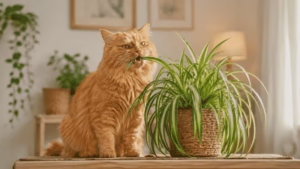
Yes, eating grass often causes temporary gas. Grass is high in fiber that cats cannot fully digest. The grass ferments in the large intestine, producing gas. Do cats fart after eating grass specifically to vomit? Not necessarily. Some cats eat grass for digestion help, and gas is a normal side effect, not the goal.
Yes, constipation often causes increased gas. When stool sits in the colon too long, bacteria continue fermenting any remaining digestible material, producing gas. Do cats fart from constipation even if they are not pooping? Yes. The gas builds up behind the blockage. Treating the constipation resolves the gas.
Yes, food allergies and intolerances are major causes of smelly cat gas. Common allergens include beef, dairy, fish, and chicken. Do cats fart more when eating allergenic foods? Yes, often along with itching, ear infections, or skin problems. An elimination diet prescribed by your vet identifies the trigger.
Cats have a highly developed sense of smell, much stronger than humans. They can almost certainly smell their own gas. However, researchers do not know if cats recognize the smell as their own or feel any reaction to it. Do cats fart and then leave the room? Sometimes, but this may be coincidence rather than avoidance.
Yes, many cats pass gas after undergoing anesthesia. Anesthetic drugs slow down the digestive tract, allowing gas to accumulate. Pain medications, especially opioids, also cause constipation and gas. Do cats fart more after spay or neuter surgery? Often yes during the first 24 to 48 hours. This resolves as normal digestion returns.